

Social media marketing is essential for businesses today. It helps connect with audiences and grow brands.
Understanding the basics of social media marketing is crucial for success. Whether you’re a small business owner or a marketing novice, knowing how to use social platforms can boost your brand’s visibility. Social media marketing involves creating content that engages your audience and promotes your products or services.
This introduction will guide you through the fundamental aspects, helping you build a solid foundation. By mastering these basics, you’ll be better equipped to navigate the ever-evolving social media landscape. Ready to learn? Let’s dive into the essentials of social media marketing and discover how it can benefit your business.
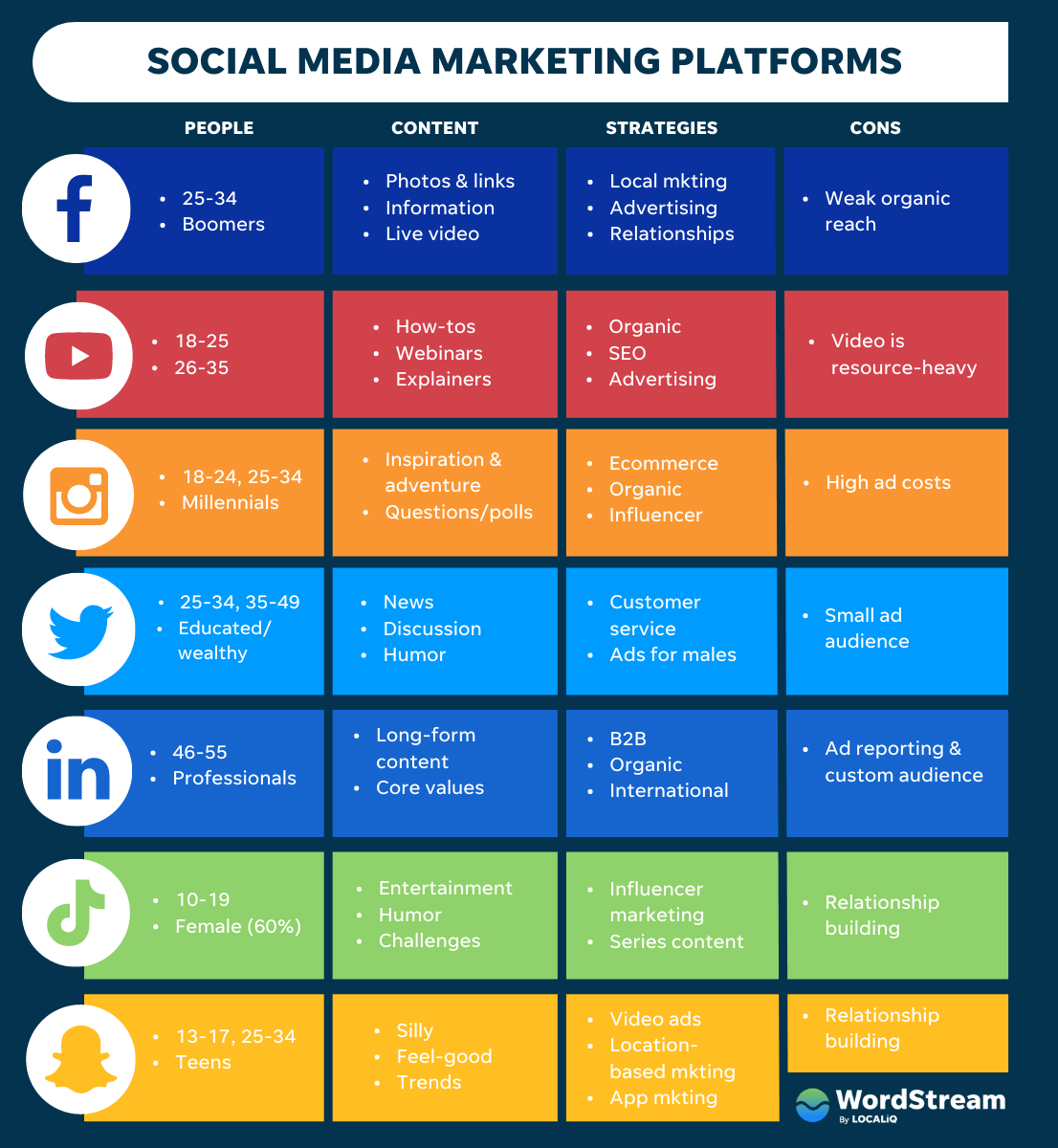
Credit: www.wordstream.com
Introduction To Social Media Marketing
Social media marketing has become a crucial part of business strategy. It involves using social media platforms to connect with your audience, build your brand, increase sales, and drive website traffic. This introduction will help you understand the basics and importance of social media marketing.
What Is Social Media Marketing?
Social media marketing is the process of creating content for social media platforms. This content should promote your products or services and engage with your audience. Platforms include Facebook, Instagram, Twitter, LinkedIn, and more. Each platform requires a different approach and content style. Here are some key elements:
- Content Creation: Posts, images, videos, and stories.
- Engagement: Likes, comments, shares, and direct messages.
- Analytics: Tracking performance and adjusting strategies.
By leveraging these elements, businesses can reach a larger audience and build relationships with potential customers.
Importance Of Social Media Marketing
Social media marketing offers numerous benefits. Here are some of the most important reasons why businesses should invest in it:
| Benefit | Description |
|---|---|
| Brand Awareness | Reaching a wider audience and increasing visibility. |
| Customer Engagement | Interacting with customers and building relationships. |
| Increased Traffic | Driving more visitors to your website. |
| Cost-Effective | Lower advertising costs compared to traditional methods. |
| Better Insights | Understanding customer preferences and behavior. |
Businesses can leverage these benefits to grow and improve their overall marketing efforts. Social media marketing is not just a trend, but a necessary component of modern business strategy.
Choosing The Right Platforms
Social media marketing can boost your brand’s visibility. But, choosing the right platforms is crucial. Each platform has its unique audience and features. It’s important to know which ones align with your business goals.
Popular Social Media Platforms
Here are some popular social media platforms to consider:
| Platform | Primary Audience | Key Features |
|---|---|---|
| Adults (25-45) | Groups, Events, Ads | |
| Younger Adults (18-35) | Stories, Reels, Visual Content | |
| Adults (18-49) | Short Updates, Trends, Hashtags | |
| Professionals | Networking, Jobs, B2B |
Identifying Your Target Audience
Understanding your target audience is essential. This helps you choose the right platforms. Ask yourself these questions:
- Who are my customers?
- What are their interests?
- Where do they spend their time online?
Create customer personas to get a clear picture. These personas include details like age, gender, interests, and online behavior. Use analytics tools to gather data on your audience. Platforms like Facebook Insights and Google Analytics can help.
Once you know your audience, match them with the right platforms. For example, if your audience is young, Instagram and TikTok might be best. For professionals, LinkedIn is the go-to platform.
Choosing the right platforms is the first step in a successful social media marketing strategy. It ensures your efforts reach the right people, increasing engagement and conversions.
Creating A Strategy
Creating a strategy is essential for successful social media marketing. It helps you define your goals, plan your content, and measure your results. A good strategy will guide your actions and ensure that your efforts are effective. Below are some key steps to consider when creating your social media marketing strategy.
Setting Goals
Setting goals is the first step in creating your strategy. Clear goals give you direction and help you measure success. Here are some tips for setting your goals:
- Make your goals specific and measurable.
- Set realistic and achievable targets.
- Align your goals with your overall business objectives.
Common social media goals include:
- Increasing brand awareness
- Driving website traffic
- Generating leads
- Boosting engagement
- Increasing sales
Content Planning
Content planning ensures that you consistently post high-quality content. Here are some steps to plan your content effectively:
- Understand your audience and their interests.
- Choose the right types of content (e.g., images, videos, articles).
- Create a content calendar to schedule your posts.
Consider using a table to organize your content calendar:
| Date | Content Type | Platform | Topic |
|---|---|---|---|
| 01/01/2024 | Blog Post | New Year Resolutions | |
| 01/03/2024 | Video | Behind the Scenes | |
| 01/05/2024 | Image | Product Launch |
By setting clear goals and planning your content, you can create a strong social media strategy. This will help you reach your audience and achieve your business objectives effectively.
Building Your Brand Presence
Creating a strong brand presence on social media is essential. It helps you connect with your audience and build trust. To achieve this, focus on two key areas: Profile Optimization and Consistency in Posting.
Profile Optimization
Your social media profile is the first thing people see. Make it count. Here are some tips to optimize your profile:
- Profile Picture: Use a high-quality image. It should represent your brand.
- Username: Keep it simple and related to your brand. Avoid numbers and special characters.
- Bio: Write a clear and concise bio. Include what you do and your unique value.
- Website Link: Add a link to your website or a specific landing page.
Here is a simple table to summarize the key elements:
| Element | Tip |
|---|---|
| Profile Picture | High-quality, brand-related image |
| Username | Simple and brand-related |
| Bio | Clear, concise, and value-driven |
| Website Link | Link to your website or landing page |
Consistency In Posting
Consistency is key in social media marketing. It keeps your audience engaged and interested.
Here are some tips to maintain consistency:
- Posting Schedule: Create a schedule. Stick to it.
- Content Calendar: Plan your posts in advance.
- Variety of Content: Mix different types of content. Use images, videos, and text.
- Engage with Audience: Respond to comments and messages promptly.
By following these tips, you can build a strong and engaging brand presence on social media.
Content Creation Tips
Creating content for social media can be challenging. This section provides simple, practical tips to improve your content. Learn about different types of content and how to make it engaging.
Types Of Content
Understanding various content types is essential. Each type serves a unique purpose and engages users differently. Below is a table outlining common types of content:
| Content Type | Description |
|---|---|
| Text Posts | Simple updates or thoughts in text form. |
| Images | Photos, infographics, and memes. |
| Videos | Short clips, tutorials, and live streams. |
| Stories | Short-lived posts, often in slideshow format. |
| Polls | Interactive questions for audience feedback. |
Creating Engaging Content
Engaging content captures attention and encourages interaction. Here are some tips to create engaging content:
- Know Your Audience: Understand your audience’s interests and preferences.
- Use High-Quality Visuals: Images and videos should be clear and appealing.
- Keep It Short: Attention spans are short. Keep your content concise.
- Be Consistent: Post regularly to keep your audience engaged.
- Encourage Interaction: Ask questions or use call-to-action phrases.
Remember, content should be valuable to your audience. Focus on quality over quantity.
Engaging With Your Audience
Engaging with your audience is the heart of social media marketing. This connection builds trust and loyalty, leading to increased brand awareness. Let’s explore two key aspects: responding to comments and building a community.
Responding To Comments
Responding to comments is crucial. It shows that you value your audience. Here are some tips:
- Be prompt: Respond within 24 hours to keep the conversation alive.
- Be personal: Use the commenter’s name and address their points specifically.
- Be positive: Maintain a friendly tone, even when dealing with criticism.
- Be helpful: Offer solutions or direct them to someone who can help.
Here’s an example of a good response:
User: "I love your product! But can it be used outdoors?"
Brand: "Thanks, Jane! Yes, it's perfect for outdoor use. Need any tips?"
Building Community
Building a community around your brand fosters loyalty. It transforms followers into advocates. Here’s how:
- Create engaging content: Share posts that spark conversations.
- Host events: Organize online events like Q&A sessions or live streams.
- Encourage user-generated content: Ask followers to share their experiences.
- Showcase followers: Highlight user posts and thank them for their support.
Consider this table for content ideas:
| Content Type | Purpose |
|---|---|
| Polls and Surveys | Gather feedback and opinions |
| Behind-the-scenes | Show the human side of your brand |
| Tutorials | Provide value and educate |
Engaging with your audience is not just about responding. It’s about creating a space where they feel valued and heard. This leads to long-term success.
Analyzing Performance
Analyzing performance is a crucial part of social media marketing. It helps you understand what’s working and what needs improvement. By carefully monitoring and analyzing your performance, you can fine-tune your strategies to achieve better results. In this section, we will explore the key metrics to track and the tools you can use for analytics.
Key Metrics To Track
Tracking the right metrics is essential for evaluating your social media marketing efforts. Here are some important metrics to consider:
- Engagement Rate: Measures the level of interaction your content receives. This includes likes, comments, and shares.
- Reach: Indicates how many people have seen your content. It helps you understand your content’s visibility.
- Impressions: Shows how often your content appears in users’ feeds. More impressions can lead to higher brand awareness.
- Click-Through Rate (CTR): The percentage of users who click on your links. A high CTR means your content is compelling.
- Conversion Rate: Measures the percentage of users who take a desired action, such as signing up for a newsletter or making a purchase.
Tools For Analytics
Using the right tools can simplify the process of analyzing your social media performance. Here are some popular tools:
- Google Analytics: Tracks website traffic and provides insights into user behavior. It helps you understand how social media drives traffic to your site.
- Facebook Insights: Offers detailed analytics for your Facebook page. It includes data on engagement, reach, and audience demographics.
- Twitter Analytics: Provides metrics on tweet performance. You can track impressions, engagements, and follower growth.
- Instagram Insights: Shows how your posts and stories perform. It includes data on reach, impressions, and interactions.
- Hootsuite Analytics: A comprehensive tool that integrates with multiple social media platforms. It provides detailed reports and tracks various metrics.
Ad Campaign Basics
Understanding the basics of ad campaigns is crucial for social media marketing. Ad campaigns can help you reach a broader audience, increase brand visibility, and achieve specific marketing goals. This section covers the fundamentals of setting up ads and measuring their success.
Setting Up Ads
Setting up ads involves several steps. First, you need to identify your target audience. This includes demographic details like age, location, and interests. Next, choose the right platform. Different platforms cater to different audiences. For example, LinkedIn is great for B2B marketing, while Instagram is popular with younger users.
After selecting the platform, create compelling ad content. Use high-quality images or videos. Write clear and concise copy. Ensure your message is direct and engaging. Finally, set a budget. Decide how much you are willing to spend daily or weekly. Platforms like Facebook allow you to control your spending and optimize your ad delivery.
Measuring Ad Success
Measuring ad success helps you understand the effectiveness of your campaigns. Key metrics to track include click-through rate (CTR), conversion rate, and return on ad spend (ROAS). These metrics indicate how well your ads are performing.
- CTR: The ratio of users who click your ad to those who see it.
- Conversion Rate: The percentage of users who complete a desired action after clicking your ad.
- ROAS: The revenue generated for every dollar spent on ads.
Use analytics tools provided by the platform. Facebook, Instagram, and Google Ads offer detailed insights. Regularly review these metrics. Make adjustments to your campaigns based on the data. This helps you optimize your ads for better performance.
| Metric | Description | Importance |
|---|---|---|
| CTR | Click-Through Rate | Shows ad engagement |
| Conversion Rate | Completed desired actions | Indicates ad effectiveness |
| ROAS | Revenue from ad spend | Measures return on investment |
By following these basics, you can create effective ad campaigns. They help you reach your marketing objectives and grow your business.
Staying Updated
Staying updated in social media marketing is crucial. The digital landscape changes rapidly. Keeping up with these changes helps you stay ahead of the competition. Let’s explore some basics to keep yourself updated.
Trends In Social Media Marketing
Social media trends shift often. Marketers must watch these trends closely. Here are a few current trends:
- Short-Form Videos: Platforms like TikTok and Instagram Reels are popular. Users prefer short, engaging videos.
- Live Streaming: Brands use live streams for real-time engagement. It builds a direct connection with the audience.
- Ephemeral Content: Stories on Instagram and Facebook disappear after 24 hours. This creates urgency and frequent interaction.
- Social Commerce: Shopping directly through social media is growing. Platforms like Instagram and Facebook have integrated shopping features.
Continuing Education
Social media marketing is always evolving. Marketers need to continue learning. Here are ways to keep your knowledge fresh:
- Online Courses: Many websites offer courses on social media marketing. Platforms like Coursera and Udemy have comprehensive courses.
- Webinars and Workshops: Attend webinars and workshops. These events provide insights from industry experts.
- Blogs and Newsletters: Subscribe to industry blogs and newsletters. They provide regular updates and expert advice.
- Networking: Join social media marketing groups. Networking with peers can provide new ideas and strategies.
Staying updated is key to success in social media marketing. Follow trends and continue learning to stay ahead.
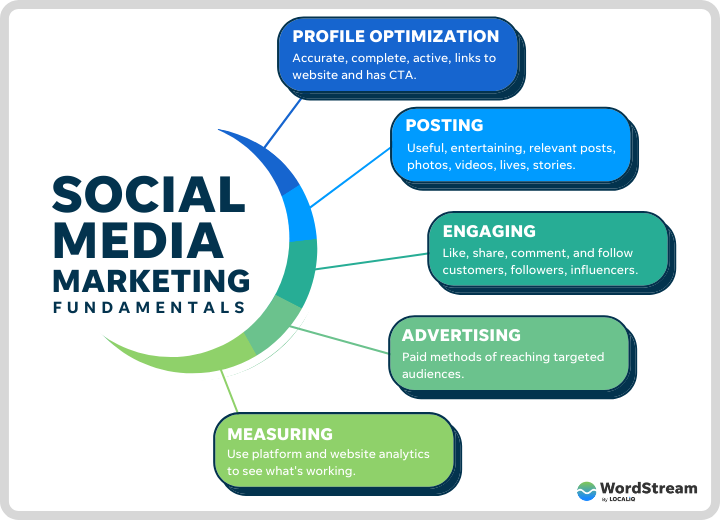
Credit: www.wordstream.com
Credit: www.stukent.com
Frequently Asked Questions
What Is Social Media Marketing?
Social media marketing involves promoting products or services through social media platforms. It helps businesses connect with their audience, build brand awareness, and drive engagement.
Why Is Social Media Marketing Important?
Social media marketing is important because it increases brand visibility and engagement. It also helps businesses reach a larger audience and generate leads.
How Do You Create A Social Media Strategy?
To create a social media strategy, define your goals. Identify your target audience. Choose the right platforms and create engaging content. Lastly, monitor and adjust your strategy.
What Are Some Social Media Marketing Tips?
Some tips include posting consistently, engaging with your audience, using hashtags, and analyzing your performance. Tailor your content to your audience’s preferences.
Conclusion
Social media marketing is essential for business growth. It helps connect with customers. Implement these basics to enhance your online presence. Start with clear goals and consistent content. Engage actively with your audience. Track your progress and adjust strategies. Social media offers endless opportunities.
Use it wisely to boost your brand. Remember, patience and persistence are key. Keep learning and adapting to trends. Social media success is within your reach.