

AI technology is transforming our world. It makes tasks easier and faster.
Artificial intelligence (AI) is not just a buzzword. It is a powerful tool changing various fields like healthcare, finance, and entertainment. AI technology helps machines learn from data, improving their performance over time. From virtual assistants like Siri and Alexa to self-driving cars, AI is everywhere.
It impacts our daily lives in ways we might not even notice. Understanding AI technology can help us appreciate its benefits and prepare for future advancements. This blog will dive into the fascinating world of AI technology and explore its many applications and potential. Stay tuned to learn more about how AI is shaping the future.
Introduction To Ai Technology
Artificial Intelligence (AI) is changing the world. It helps in many fields like healthcare, education, and finance. AI can understand and solve problems. This section will explain the basics of AI technology.
What Is Ai?
AI stands for Artificial Intelligence. It is a type of computer technology. AI makes machines think and learn. AI can perform tasks that usually need human intelligence. These tasks include understanding language, recognizing images, and making decisions.
There are different types of AI:
- Narrow AI: This type of AI is designed for a specific task. For example, voice assistants like Siri and Alexa.
- General AI: This AI can perform any intellectual task that a human can do. It is still in the research phase.
- Super AI: This AI is smarter than humans. It does not exist yet but is a topic of research.
Brief History Of Ai
The concept of AI is not new. It started in the 1950s. Here is a brief timeline:
- 1950s: The term “Artificial Intelligence” was first used. Scientists began to explore AI concepts.
- 1960s: The first AI programs were created. These programs could solve simple problems.
- 1980s: AI research slowed down due to high costs and limited progress.
- 1990s: AI made a comeback with better algorithms and more data.
- 2000s: AI began to be used in real-world applications like search engines and recommendation systems.
- 2010s: AI technology advanced rapidly. AI started to outperform humans in specific tasks.
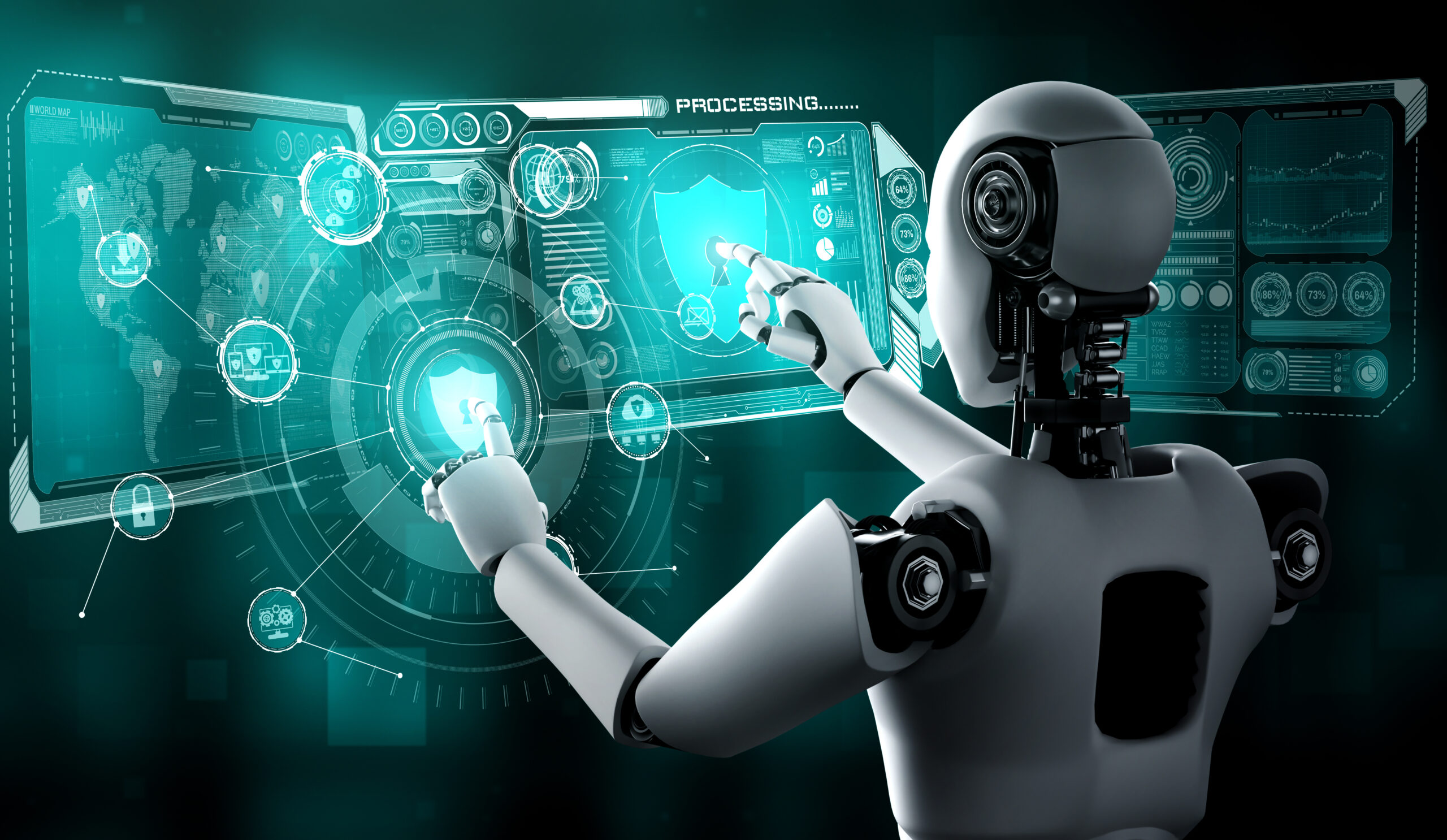
Today, AI is everywhere. It is in our phones, cars, and homes. AI continues to evolve and improve. It has a bright future.
Credit: thefusioneer.com
Ai In Everyday Life
Artificial Intelligence (AI) has become a part of our daily lives. From morning to night, AI helps us in various ways. It makes tasks easier and more efficient. Here’s how AI is changing our everyday life.
Smart Homes
Smart homes use AI technology to enhance comfort and security. AI can control lights, thermostats, and even coffee makers. You can adjust the temperature of your home with a simple voice command. AI-based security systems can detect unusual activities and alert you immediately. These systems provide peace of mind and convenience.
Smart appliances are also a part of AI-driven homes. Refrigerators can suggest recipes based on available ingredients. Washing machines can optimize water and detergent usage. This not only saves time but also reduces energy costs.
Personal Assistants
Personal assistants like Siri, Alexa, and Google Assistant are powered by AI. They help with everyday tasks, such as setting reminders, sending messages, and answering questions. Just ask, and they provide instant responses. This makes multitasking easier.
AI personal assistants can also help manage schedules. They remind you of meetings, appointments, and deadlines. They can even book rides or order food. This allows you to focus on more important tasks.
Voice recognition technology makes these assistants more effective. They understand different accents and languages. This makes them accessible to a wider audience. AI personal assistants are becoming smarter and more helpful every day.
| AI Application | Function |
|---|---|
| Smart Homes | Control lights, security, and appliances |
| Personal Assistants | Set reminders, send messages, answer questions |
AI is transforming our lives in many ways. It brings convenience, efficiency, and security. As AI technology advances, we can expect even more innovations in our daily routines.
Ai In Healthcare
AI technology is transforming healthcare. It helps doctors and patients in many ways. AI improves medical diagnostics and creates personalized treatment plans. Let’s explore how AI is making healthcare better.
Medical Diagnostics
AI helps doctors diagnose diseases faster and more accurately. It analyzes medical images like X-rays and MRIs. AI can detect patterns that humans might miss. This leads to early detection of diseases such as cancer.
AI also assists in analyzing patient data. It can find connections between symptoms and diseases. This helps doctors make better decisions.
Here are some benefits of AI in medical diagnostics:
- Quick analysis of large amounts of data.
- Higher accuracy in detecting diseases.
- Early detection of serious conditions.
Personalized Treatment
AI creates treatment plans tailored to individual patients. It considers their medical history, lifestyle, and genetics. This personalized approach improves treatment effectiveness.
AI also monitors patients’ progress. It adjusts treatment plans based on real-time data. This ensures that patients receive the best possible care.
Key advantages of personalized treatment with AI:
- Customized care for each patient.
- Improved outcomes due to tailored treatments.
- Continuous monitoring and adjustments.
AI in healthcare is a growing field. It offers many benefits to patients and doctors. With AI, healthcare becomes more efficient and effective.

Credit: www.businessinsurance.com
Ai In Business
Businesses are rapidly adopting AI technology to streamline operations and improve efficiency. AI helps in various areas, from customer service to data analysis. It offers insights and automates tasks, leading to better decision-making and cost savings.
Customer Service
AI in customer service enhances user experience through chatbots and virtual assistants. These tools provide instant responses, reducing wait times. They can handle a large volume of queries simultaneously, ensuring customers receive timely support.
Chatbots can answer frequently asked questions and resolve common issues. This allows human agents to focus on more complex tasks. Virtual assistants can also schedule appointments, track orders, and provide personalized recommendations, making interactions more efficient and satisfactory.
Implementing AI-powered customer service tools leads to increased customer satisfaction. It also reduces operational costs for businesses by automating repetitive tasks.
Data Analysis
AI plays a crucial role in data analysis by processing vast amounts of data quickly. It identifies patterns and trends that humans might miss. This enables businesses to make informed decisions based on data insights.
Here’s a simple comparison of traditional vs. AI-powered data analysis:
| Traditional Data Analysis | AI-Powered Data Analysis |
|---|---|
| Manual data entry | Automated data processing |
| Time-consuming | Fast and efficient |
| Prone to human error | Accurate and reliable |
AI algorithms can predict future trends, helping businesses stay ahead of the competition. They analyze customer behavior, market conditions, and operational data to provide actionable insights. This leads to better strategic planning and improved business outcomes.
Using AI for data analysis helps companies understand their customers better. They can tailor their products and services to meet customer needs more effectively.
Ai In Education
Artificial Intelligence (AI) technology has made a significant impact on education. It enhances learning experiences and personalizes education for students. AI helps teachers manage their workload and provides tools for better student engagement.
Adaptive Learning
Adaptive learning technology uses AI to customize educational content. It adjusts the difficulty of lessons based on a student’s performance. This personalized approach helps students learn at their own pace. Teachers can identify areas where students struggle and provide targeted support.
Here are some benefits of adaptive learning:
- Personalized learning paths for each student.
- Immediate feedback for students to improve their skills.
- Engaging content tailored to individual needs.
Adaptive learning platforms often include interactive tools. These tools make learning fun and effective. Students stay motivated and progress faster.
Virtual Classrooms
Virtual classrooms use AI to create an online learning environment. They allow students and teachers to connect remotely. AI can manage attendance, organize materials, and facilitate discussions.
Key features of virtual classrooms include:
- Live video sessions for real-time interaction.
- Automated grading to save teachers time.
- AI-driven analytics to track student progress.
Virtual classrooms provide flexibility for students. They can access lessons from anywhere. This is especially useful for students in remote areas.
AI also supports virtual tutors. These tutors help students with homework and study. They are available 24/7, offering continuous support.
In summary, AI technology in education offers numerous benefits. It creates a more personalized, engaging, and flexible learning experience for students.
Credit: erp.today
Ethical Considerations
Artificial Intelligence (AI) technology is transforming our world. But it raises some important questions. Ethical considerations are crucial. We need to understand the implications. This section will focus on two key areas: bias and privacy.
Bias In Ai
AI systems can show bias. This happens when the data used to train them is biased. For example, if a dataset has more male than female data, the AI may favor men. This can lead to unfair outcomes.
Bias in AI affects many areas:
- Hiring decisions
- Loan approvals
- Criminal sentencing
Developers must use diverse datasets. They should also test AI for bias. This can help reduce unfair outcomes.
Privacy Concerns
AI technology can collect a lot of data. This raises privacy concerns. Personal data can be misused. It can be shared without consent.
Here are some privacy risks:
- Data breaches
- Unauthorized access
- Surveillance
To protect privacy, companies should follow best practices. They should encrypt data. They should also get user consent before collecting data.
Proper regulations can help. Governments need to create laws to protect privacy. This can ensure AI is used responsibly.
Future Trends In Ai
The world of Artificial Intelligence (AI) is constantly evolving. As we move forward, there are exciting trends shaping the future of AI. These trends promise to make significant impacts on our lives. Let’s explore some of these future trends in AI.
Ai And Robotics
AI is making robots smarter. Today, robots can perform complex tasks. They can learn and adapt to new situations. This makes them useful in various fields.
- Healthcare: Robots can assist in surgeries. They can also provide care to patients.
- Manufacturing: Robots can improve production lines. They can work faster and more precisely than humans.
- Service Industry: Robots can serve customers in restaurants. They can also help in cleaning and maintenance.
AI-powered robots will become more common. They will be part of our daily lives. This trend will continue to grow.
Ai And Quantum Computing
Quantum computing is another exciting trend. It promises to boost AI capabilities. Quantum computers can process information much faster than traditional computers.
With quantum computing, AI can solve problems quicker. This will lead to better decision-making and predictions. Here are some areas that will benefit:
- Drug Discovery: Faster identification of potential drugs.
- Financial Services: Improved risk assessment and fraud detection.
- Climate Modeling: More accurate climate predictions.
Quantum computing will push AI to new heights. It will open doors to new possibilities.
As AI and technology advance, these trends will shape the future. They will create new opportunities and transform industries. Stay tuned for more developments in AI technology.
Challenges And Opportunities
Artificial Intelligence (AI) is transforming many industries. It offers immense benefits, yet it also presents several challenges. Understanding these challenges and opportunities helps us prepare for the future.
Technical Challenges
AI technology faces various technical challenges that hinder its progress. One major issue is the limited availability of high-quality data. AI systems require vast amounts of accurate data to function effectively. Data privacy is another concern. Safeguarding personal information is crucial in AI applications.
There are also computational limitations. AI algorithms need significant processing power and memory. This can be costly and energy-intensive. Algorithm transparency is another technical challenge. It is hard to understand how some AI systems make decisions, which can lead to mistrust.
Economic Impact
AI technology has a profound economic impact. It can boost productivity and efficiency in various sectors. For instance, automation can reduce labor costs and increase output. AI-driven innovations can lead to new products and services, driving economic growth.
However, there are concerns about job displacement. Automation could replace many traditional jobs, leading to unemployment. Reskilling workers is essential to address this issue. Governments and businesses need to invest in training programs to help workers adapt to new roles.
| Challenge | Opportunity |
|---|---|
| Data Quality | Improved Decision Making |
| Privacy Concerns | Enhanced Security Measures |
| Computational Limits | Advanced Hardware Development |
| Job Displacement | New Job Creation |
In summary, AI presents both challenges and opportunities. Addressing these challenges will help us harness the full potential of AI technology.
Frequently Asked Questions
What Is Ai Technology?
AI technology refers to the simulation of human intelligence in machines. These machines are designed to think and act like humans. They can learn, reason, and solve problems. AI technology is used in various applications such as robotics, natural language processing, and computer vision.
How Does Ai Technology Work?
AI technology works by using algorithms and large datasets to train machines. These machines learn patterns and make decisions based on the data. The more data they process, the better they perform. AI systems use techniques like machine learning and deep learning to improve their accuracy.
What Are The Types Of Ai?
There are three types of AI: narrow AI, general AI, and superintelligent AI. Narrow AI specializes in one task. General AI can perform any intellectual task that a human can. Superintelligent AI surpasses human intelligence in all aspects.
What Are The Benefits Of Ai Technology?
AI technology offers numerous benefits. It improves efficiency, automates repetitive tasks, and enhances decision-making. AI can analyze large amounts of data quickly. It also helps in personalized services and innovations across various industries like healthcare, finance, and transportation.
Conclusion
AI technology is transforming our world rapidly. It makes tasks easier and faster. Businesses benefit from AI’s efficiency. Daily lives improve with smarter devices. Learning about AI helps us stay updated. Embracing AI can lead to better opportunities. The future looks bright with AI advancements.
Stay curious and keep exploring AI’s potential. This technology can shape a smarter tomorrow.