

Optimizing your sales funnel can boost your business results. It streamlines the journey from prospect to customer.
A sales funnel represents the path a customer follows before making a purchase. It starts with awareness and moves through stages like interest, decision, and action. Optimizing this funnel ensures each stage works smoothly, converting more leads into buyers. This process involves analyzing customer behavior, refining marketing strategies, and improving interactions.
By doing so, businesses can enhance their conversion rates and increase revenue. In this blog, we will explore effective techniques to optimize your sales funnel. These tips will help you understand your customers better and guide them efficiently through the buying process. Let’s dive into the strategies for a more efficient sales funnel.
Introduction To Sales Funnel
A sales funnel is a crucial concept in the world of marketing and sales. It helps businesses understand and optimize the process of turning potential customers into actual buyers. By visualizing this journey, companies can identify areas for improvement, streamline their strategies, and ultimately boost their sales. Let’s dive deeper into the key aspects of a sales funnel.
What Is A Sales Funnel?
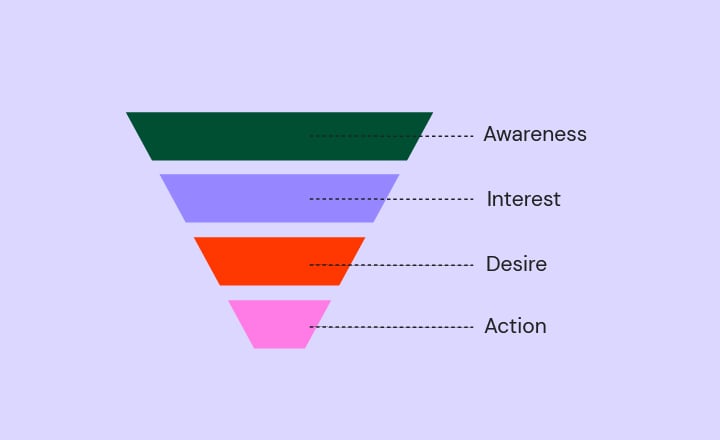
A sales funnel is a model that represents the journey a customer takes from initial awareness to final purchase. It is called a “funnel” because the number of prospects typically decreases at each stage of the process. The stages of a sales funnel often include:
- Awareness: Potential customers first learn about your product or service.
- Interest: Prospects express interest and seek more information.
- Decision: Prospects evaluate options and consider making a purchase.
- Action: The final step where the customer completes the purchase.
Each stage is critical in guiding prospects towards making a purchase. By understanding these stages, businesses can tailor their marketing efforts to better engage and convert potential customers.
Importance Of Sales Funnel
The sales funnel is important for several reasons. It helps businesses understand the customer’s journey and identify where they might be losing potential sales. This insight allows companies to make data-driven decisions and improve their sales processes. Here are some key benefits:
- Improved Targeting: By understanding each stage, businesses can create targeted marketing campaigns.
- Enhanced Customer Experience: A well-optimized funnel ensures a smooth journey for customers.
- Increased Conversion Rates: Identifying and addressing drop-off points can lead to more sales.
- Better Resource Allocation: Companies can allocate resources more effectively by focusing on the most impactful stages.
In summary, a well-optimized sales funnel is vital for any business aiming to improve its sales performance. By understanding and refining each stage, companies can better serve their customers and achieve their sales goals.
Stages Of A Sales Funnel
A sales funnel is a vital tool in optimizing sales processes. It helps businesses understand the journey their customers take from the first point of contact to the final purchase. By breaking down this journey into distinct stages, you can better target your marketing efforts and guide potential customers towards a purchase. Here, we’ll dive into the Stages of a Sales Funnel and explore how each stage can be optimized for better results.
Awareness
At the Awareness stage, potential customers first learn about your product or service. This stage is crucial as it sets the foundation for the entire sales process. Use SEO strategies to increase visibility. Create engaging content such as blog posts, social media updates, and videos to attract attention.
- Utilize keywords relevant to your industry.
- Share valuable and informative content.
- Engage with your audience on social media.
Interest
During the Interest stage, potential customers show a deeper interest in what you offer. They start seeking more information about your products or services. Provide detailed content that answers their questions and addresses their needs.
| Content Type | Purpose |
|---|---|
| Blogs | Provide valuable insights and solutions. |
| Videos | Demonstrate product features. |
| Webinars | Offer in-depth knowledge. |
Decision
In the Decision stage, potential customers are ready to make a purchase decision. They compare your products or services with others. Offer compelling reasons to choose your brand. Highlight unique selling points and provide testimonials or case studies.
- Showcase customer reviews.
- Offer free trials or demos.
- Provide discounts or special offers.
Action
The Action stage is where the potential customer makes a purchase. Ensure the checkout process is smooth and user-friendly. Follow up with a thank you email and offer customer support.
- Optimize the checkout process.
- Send a thank you email.
- Provide excellent customer support.
Analyzing Your Current Funnel
To optimize your sales funnel, start by analyzing its current state. Understanding where potential customers drop off can help you make improvements. Let’s dive into the key areas of focus.
Identifying Bottlenecks
First, identify where customers leave the funnel. This helps in pinpointing problem areas. Here are some steps to identify bottlenecks:
- Review each stage of your funnel.
- Look for stages with high drop-off rates.
- Gather customer feedback for insights.
Use these steps to understand why customers do not move forward. Addressing these bottlenecks can improve your conversion rates significantly.
Tracking Key Metrics
Next, track key metrics to measure the funnel’s performance. Key metrics include:
| Metric | Description |
|---|---|
| Conversion Rate | Percentage of visitors who take a desired action. |
| Drop-off Rate | Percentage of visitors who leave at each stage. |
| Average Time | Time visitors spend in each funnel stage. |
Use tools like Google Analytics to track these metrics. Monitoring these will help you understand where improvements are needed. Regular tracking allows you to measure progress and make data-driven decisions.
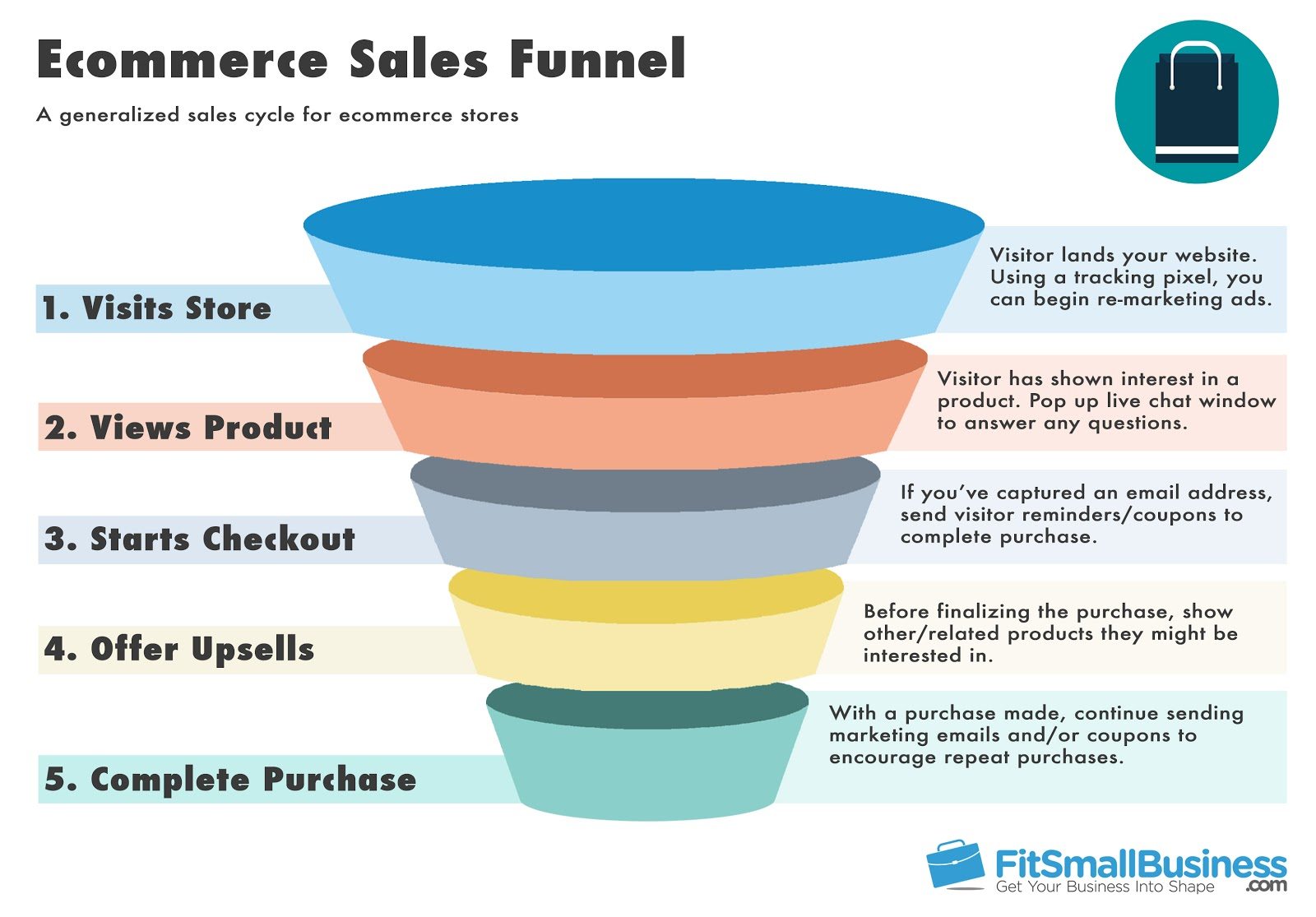
Credit: straydigital.com
Improving Top Of The Funnel
Optimizing the top of your sales funnel is crucial. It sets the tone for the rest of the customer journey. To enhance your funnel, focus on attracting quality leads and using effective lead magnets.
Attracting Quality Leads
Quality leads are more likely to convert into customers. Attracting them requires a well-planned strategy. Here are some tips:
- Identify Your Ideal Customer: Know who they are and what they need.
- Create Valuable Content: Write blogs, guides, and articles that solve their problems.
- Use SEO: Optimize your content for search engines to drive organic traffic.
- Engage on Social Media: Share your content and interact with your audience.
- Leverage Paid Ads: Use targeted ads to reach potential leads.
| Strategy | Action |
|---|---|
| Content Marketing | Blog posts, whitepapers, infographics |
| Social Media | Engage with followers, share content |
| SEO | Optimize keywords, meta descriptions |
| PPC Ads | Targeted ads on Google, Facebook |
Effective Lead Magnets
Lead magnets are incentives you offer in exchange for contact information. They help grow your email list and nurture leads. Effective lead magnets include:
- Ebooks: In-depth guides on relevant topics.
- Webinars: Live sessions offering expert insights.
- Free Trials: Allow potential customers to try your product.
- Checklists: Simple, actionable lists to solve specific problems.
- Discounts: Special offers for new subscribers.
To create an effective lead magnet:
- Know Your Audience: Understand their pain points and interests.
- Provide Value: Ensure the lead magnet solves a problem or meets a need.
- Keep It Simple: Make it easy to understand and use.
Use these strategies to improve the top of your funnel. Attract quality leads and use effective lead magnets.
Enhancing Middle Of The Funnel
The middle of the sales funnel is crucial. It’s where you nurture leads and build relationships. Enhancing this stage can boost conversions. Here’s how to improve it.
Nurturing Leads
Nurturing leads is about building trust. It’s essential for turning prospects into customers. Here are some effective strategies:
- Email Marketing: Send personalized emails. Share valuable content.
- Lead Scoring: Identify the most engaged leads. Focus on them.
- Follow-ups: Regular check-ins show you care. Keep communication open.
Personalized emails can increase engagement. Use the recipient’s name. Address their specific needs. This approach makes them feel valued.
Engaging Content Strategies
Content keeps leads interested. It moves them closer to a purchase. Here are some strategies:
- Webinars: Host informative sessions. Answer questions live.
- Case Studies: Share success stories. Show real-world results.
- Ebooks: Offer in-depth guides. Provide detailed information.
Webinars are interactive. They allow direct engagement with leads. This builds a stronger connection.
Case studies demonstrate your product’s value. They provide social proof. Real-world results are persuasive.
Ebooks offer detailed insights. They position you as an expert. This builds trust and credibility.
Combine these strategies for the best results. A mix of content types keeps leads engaged. It caters to different preferences.
| Strategy | Benefit |
|---|---|
| Email Marketing | Personalized content |
| Lead Scoring | Focus on engaged leads |
| Follow-ups | Maintains communication |
| Webinars | Interactive engagement |
| Case Studies | Provides social proof |
| Ebooks | In-depth information |
Use these techniques to enhance the middle of your sales funnel. They help nurture leads and keep them engaged.
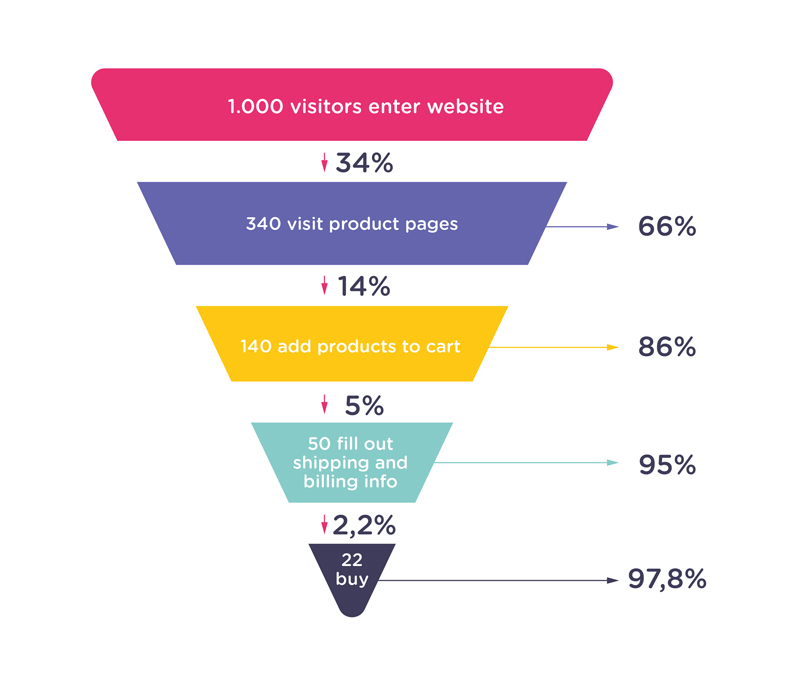
Credit: codedesign.org
Optimizing Bottom Of The Funnel
Optimizing the bottom of the sales funnel is crucial for converting leads into customers. This stage focuses on turning interested prospects into paying clients. Here, we will explore effective strategies that can enhance your bottom-funnel performance.
Clear Call To Actions
Clear calls to action (CTAs) are essential at the bottom of the funnel. They guide prospects to take the final step. To create effective CTAs, use simple and direct language. Avoid complex words or phrases.
Examples of strong CTAs include:
- Buy Now
- Get Started
- Sign Up Today
Place CTAs prominently on your landing pages. Ensure they are easy to spot. Use contrasting colors to make them stand out.
Effective Sales Techniques
Use effective sales techniques to close deals at the bottom of the funnel. One approach is to offer limited-time discounts. This creates urgency and encourages quick decisions.
Another technique is to provide detailed product demonstrations. Show how your product solves specific problems. Use real-life examples to make your point clear.
Consider using customer testimonials. These build trust and show real-world benefits. Display testimonials prominently on your website.
Here is a table summarizing effective sales techniques:
| Technique | Description |
|---|---|
| Limited-Time Discounts | Encourages urgency and quick decisions. |
| Product Demonstrations | Showcases product solving specific problems. |
| Customer Testimonials | Builds trust with real-world benefits. |
Incorporate these techniques to enhance your bottom-of-the-funnel strategy. This will increase your conversion rates and grow your customer base.
Utilizing Technology And Tools
Optimizing your sales funnel is essential for driving revenue and growth. Utilizing technology and tools can make a significant difference in improving efficiency and productivity. By integrating the right systems, you can streamline your processes and ensure that each stage of the sales funnel is optimized for success.
Crm Systems
Customer Relationship Management (CRM) systems are vital for managing interactions with potential and existing customers. A CRM system helps you keep track of customer information, sales history, and communication. It also allows you to analyze customer data to identify trends and opportunities.
Here are some key benefits of using a CRM system:
- Centralized Database: Store all customer information in one place.
- Improved Communication: Keep track of all interactions with customers.
- Enhanced Customer Service: Provide personalized experiences based on customer data.
- Sales Forecasting: Use data to predict future sales trends.
Popular CRM systems include Salesforce, HubSpot, and Zoho CRM. Each offers unique features to help manage and optimize your sales funnel.
Marketing Automation
Marketing automation tools help streamline repetitive marketing tasks. These tools can automate email campaigns, social media posts, and other marketing efforts. By doing so, you can save time and focus on more strategic activities.
Some advantages of using marketing automation tools are:
- Time Savings: Automate repetitive tasks to free up time.
- Consistency: Ensure consistent messaging across all channels.
- Lead Nurturing: Guide leads through the sales funnel with targeted content.
- Analytics: Track and measure the performance of marketing campaigns.
Examples of marketing automation tools include Mailchimp, Marketo, and ActiveCampaign. These tools offer various features to enhance your marketing efforts and support your sales funnel optimization.
By leveraging CRM systems and marketing automation tools, you can optimize your sales funnel and drive better results for your business.
Credit: elementor.com
Measuring Success And Roi
Understanding the success of your sales funnel is critical for business growth. By measuring success and ROI, you can fine-tune strategies and improve performance. This involves analyzing key metrics and calculating the return on investment. Below are two essential aspects to consider.
Analyzing Conversion Rates
Conversion rates are a key indicator of your funnel’s effectiveness. They show the percentage of leads that turn into customers. To measure this, use the following formula:
Conversion Rate = (Number of Conversions / Total Number of Leads) 100
For instance, if you have 500 leads and 50 conversions:
Conversion Rate = (50 / 500) 100 = 10%
Track conversion rates at each stage of the funnel. This helps identify where potential customers drop off. You can then make adjustments to improve these stages. Here are some important stages to consider:
- Lead Generation
- Initial Contact
- Product Demonstration
- Closing the Sale
By monitoring these stages, you can ensure a smooth journey for your customers.
Calculating Roi
Calculating ROI helps determine the profitability of your sales funnel. Use the following formula to calculate ROI:
ROI = (Net Profit / Cost of Investment) 100
For example, if your net profit is $10,000 and your investment is $2,000:
ROI = ($10,000 / $2,000) 100 = 500%
This means you earned five times your investment. To get a clear picture, consider all costs involved:
- Marketing Expenses
- Sales Team Salaries
- Software and Tools
- Customer Acquisition Costs
By including these costs, you can accurately calculate the ROI. This helps you understand if your sales funnel is worth the investment.
Regularly measure these metrics to ensure your sales funnel remains effective. This will lead to better decision-making and improved sales performance.
Continuous Improvement
Optimizing a sales funnel is not a one-time task. It demands continuous improvement. This approach ensures you address any bottlenecks and improve the journey for your customers. Let’s explore some key methods to achieve continuous improvement in your sales funnel.
A/b Testing
A/B testing is a powerful tool. It helps you understand what works best for your audience. This method involves comparing two versions of a webpage or element. The goal? To see which one performs better.
For example, you can create two versions of a landing page. Change the headline in one version. Keep the other elements the same. Then, measure which headline leads to more conversions.
| Element | Version A | Version B |
|---|---|---|
| Headline | Get Your Free Guide Now! | Download Your Free Guide Today! |
| Conversion Rate | 15% | 18% |
Gathering Customer Feedback
Customer feedback is invaluable. It provides insights into what your customers like or dislike. Use surveys, feedback forms, or direct conversations. This information can help you improve your sales funnel.
Consider these questions in your survey:
- How easy was it to navigate our website?
- What did you like most about the experience?
- What can we improve?
Analyze the feedback and identify common themes. This helps you make informed decisions. It ensures your sales funnel aligns with customer needs.
Conclusion And Next Steps
Optimizing your sales funnel is crucial for maximizing conversions. A well-optimized funnel can dramatically improve your sales performance. In this section, we will recap the key points and provide actionable next steps to help you enhance your sales funnel.
Recap Of Key Points
- Understanding Your Audience: Identify your target audience and their needs.
- Creating Effective Landing Pages: Design pages that convert visitors into leads.
- Engaging Content: Provide valuable content that guides prospects through the funnel.
- Lead Nurturing: Use email marketing and follow-ups to nurture leads.
- Analyzing Performance: Regularly analyze data to identify areas for improvement.
Actionable Next Steps
- Audit Your Current Funnel: Review each stage of your funnel. Identify weak points.
- Improve Landing Pages: Test different designs and copy to increase conversions.
- Create Quality Content: Develop content that addresses your audience’s pain points.
- Implement Lead Nurturing: Set up automated email sequences to engage leads.
- Track Metrics: Use tools like Google Analytics to monitor funnel performance.
- Iterate and Improve: Continuously test and refine your funnel based on data insights.
By following these steps, you can enhance your sales funnel. This will lead to better engagement and higher conversion rates.
Frequently Asked Questions
What Is A Sales Funnel?
A sales funnel is a step-by-step process guiding potential customers from awareness to purchase. It helps businesses understand customer behavior and optimize marketing efforts.
How Can I Optimize My Sales Funnel?
To optimize your sales funnel, analyze each stage for drop-offs. Improve engagement, personalize content, and streamline the purchasing process. Regularly test and adjust your strategies.
Why Is A Sales Funnel Important?
A sales funnel helps visualize the customer journey. It identifies areas needing improvement and boosts conversion rates, leading to increased sales and revenue.
What Are The Stages Of A Sales Funnel?
The stages of a sales funnel typically include awareness, interest, decision, and action. Each stage requires targeted strategies to move prospects closer to purchasing.
Conclusion
Optimizing your sales funnel boosts conversions and drives revenue growth. Focus on each stage. Refine strategies to improve customer journey. Track metrics and adjust accordingly. Understand your audience’s needs and preferences. Offer value and build trust throughout the funnel. Keep testing and iterating for better results.
A well-optimized sales funnel ensures a smoother path to purchase. Invest time and effort for long-term success. Happy converting!