

Customer experience is vital for business success. Happy customers mean loyal customers.
Improving customer experience helps build trust and satisfaction. It also boosts your brand’s reputation and drives growth. In today’s competitive market, understanding and enhancing customer experience is crucial. Customers expect quick responses and personalized interactions. They want to feel valued and appreciated.
This blog will explore ways to improve customer experience. From effective communication to leveraging technology, we will cover key strategies. By focusing on these areas, you can meet customer expectations and build lasting relationships. Let’s dive into how you can make every customer interaction count.
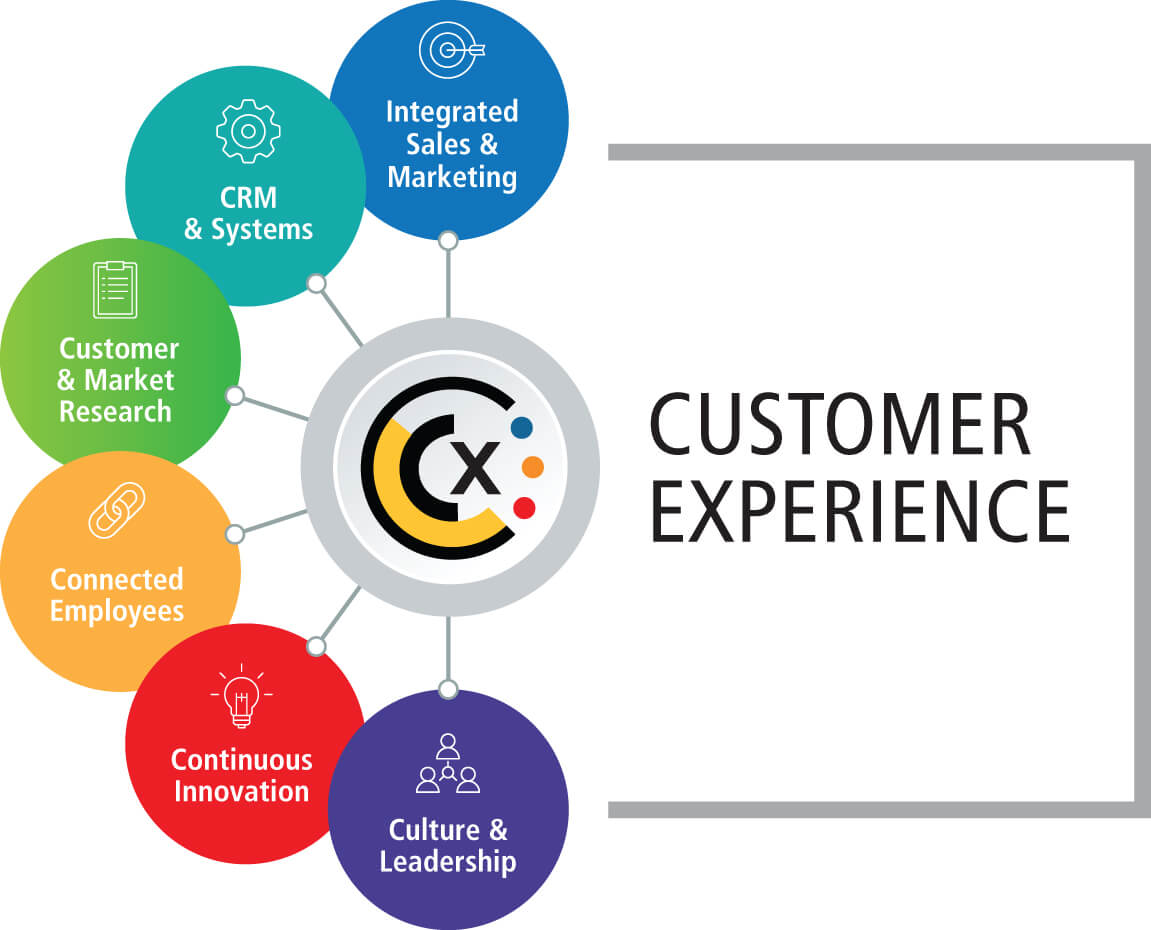
Credit: www.totara.com
Importance Of Customer Experience
Customer experience (CX) is the core of any business. It is how customers perceive their interactions with your company. A positive experience can lead to customer loyalty and higher revenue. In contrast, a negative one can cause customers to leave. Understanding and improving CX is crucial for business success.
Impact On Business Growth
A good customer experience can significantly impact business growth. Happy customers are more likely to buy again and recommend your business to others. This word-of-mouth marketing is invaluable. It can attract new customers without extra advertising costs.
In addition, satisfied customers often spend more. They feel valued and trust your brand. This increases their average order value and boosts overall revenue. The return on investment in CX is substantial.
Customer Retention
Customer retention is another key benefit of excellent CX. Retaining customers is cheaper than acquiring new ones. By providing a great experience, you can keep customers coming back.
Loyal customers also provide valuable feedback. They are more likely to share their opinions and help you improve your services. This ongoing engagement fosters a stronger relationship.
How To Measure Customer Experience
| Metric | Description |
|---|---|
| Net Promoter Score (NPS) | Measures customer loyalty and likelihood to recommend. |
| Customer Satisfaction (CSAT) | Assesses overall customer satisfaction with your product or service. |
| Customer Effort Score (CES) | Evaluates the ease of customer interactions and resolutions. |
Using these metrics, you can identify areas for improvement. This data-driven approach ensures that your CX strategies are effective.
In summary, investing in customer experience leads to business growth and customer retention. Focus on delivering a seamless and enjoyable experience to see long-term benefits.
Understanding Customer Needs
Improving customer experience begins with understanding customer needs. Knowing what your customers want helps you provide better services and products. This understanding builds trust and loyalty. Let’s explore some effective ways to understand customer needs.
Customer Feedback
Gathering customer feedback is crucial. It provides insights into what customers like and dislike. There are several ways to collect feedback:
- Surveys
- Online reviews
- Social media comments
- Customer service interactions
Surveys can be distributed through email or website pop-ups. They are a direct way to ask customers about their experiences. Online reviews on platforms like Google or Yelp reveal customer satisfaction levels. Social media comments offer real-time feedback. Customer service interactions provide valuable information about common issues.
Analyzing this feedback helps identify areas for improvement. It also highlights strengths to maintain. Regularly collecting and reviewing feedback ensures that you stay aligned with customer expectations.
Market Research
Market research is another effective method. It helps understand broader market trends and customer preferences. Here are some common market research techniques:
- Competitor analysis
- Focus groups
- Customer interviews
- Industry reports
Competitor analysis involves studying competitors’ products and services. It reveals what works well in the market. Focus groups gather a small group of customers to discuss their opinions. This provides in-depth insights. Customer interviews allow one-on-one conversations with customers. They help understand individual needs and preferences. Industry reports provide data on market trends and customer behavior.
By combining these techniques, you get a comprehensive understanding of customer needs. This information is essential for making informed business decisions. It ensures that your offerings are relevant and valuable to your customers.
Personalization Strategies
In today’s competitive market, improving customer experience is crucial. One effective way to achieve this is through personalization strategies. By tailoring services and marketing efforts to individual needs, businesses can create a more engaging and satisfying experience for their customers.
Customized Services
Offering customized services is a powerful way to enhance customer experience. This approach focuses on understanding each customer’s unique preferences and delivering services that meet their specific needs. Here are a few examples:
- Personalized product recommendations
- Customized support options
- Exclusive offers based on purchase history
By utilizing data analytics, companies can predict customer preferences and offer services that resonate with them. This not only increases customer satisfaction but also fosters loyalty and repeat business.
Targeted Marketing
Targeted marketing involves directing marketing efforts towards specific segments of the customer base. This strategy ensures that the right message reaches the right audience. Here are some effective methods:
- Segmenting customers based on demographics
- Creating personalized email campaigns
- Using social media ads to target specific groups
By targeting marketing efforts, businesses can increase the effectiveness of their campaigns. This leads to higher engagement rates and ultimately better customer experiences.
Incorporating personalization strategies into your business model can greatly improve customer satisfaction. Customized services and targeted marketing are key components of this approach, helping businesses build stronger relationships with their customers.
Leveraging Technology
Improving customer experience is vital for business success. One effective way is by leveraging technology. Businesses can use various tech tools to enhance customer interactions and satisfaction. This section will discuss two key technologies: Customer Relationship Management (CRM) and Artificial Intelligence (AI).
Customer Relationship Management (crm)
Customer Relationship Management (CRM) systems are essential for managing customer data. They help businesses understand customer needs and preferences. CRMs store data like purchase history, communication records, and preferences. This enables personalized interactions.
Using a CRM system offers several benefits:
- Improved customer service
- Better data organization
- Increased sales opportunities
- Enhanced customer retention
Businesses can use CRM to send targeted marketing messages. They can also track customer feedback and resolve issues quickly. This leads to a better overall customer experience.
Artificial Intelligence
Artificial Intelligence (AI) is transforming customer service. AI tools can analyze customer data and predict future behavior. They help businesses make informed decisions.
Key applications of AI include:
- Chatbots: Provide 24/7 customer support
- Personalized Recommendations: Suggest products based on customer behavior
- Sentiment Analysis: Understand customer emotions from text
AI-powered chatbots handle routine queries, freeing human agents for complex issues. This improves response times and customer satisfaction. Personalized recommendations increase sales and customer loyalty.
Sentiment analysis helps businesses understand customer feedback better. They can identify and address issues promptly.
By integrating AI into customer service, businesses can offer a seamless and efficient experience. This results in happier customers and higher retention rates.
Enhancing Customer Service
Enhancing Customer Service is crucial for improving customer experience. It involves many factors such as training staff and effective communication. Let’s explore these in detail.
Training Staff
Training staff is the first step to enhancing customer service. Well-trained staff can handle customer queries efficiently. Here are some key points to consider:
- Provide regular training sessions
- Focus on soft skills such as empathy and patience
- Use real-life scenarios for practice
- Encourage continuous learning
A table summarizing the benefits of staff training:
| Training Aspect | Benefit |
|---|---|
| Regular Sessions | Keeps skills updated |
| Soft Skills | Improves customer interactions |
| Real-life Scenarios | Prepares for actual situations |
| Continuous Learning | Adapts to new trends |
Effective Communication
Effective communication is another key factor. Clear and concise communication helps in resolving customer issues quickly. Here are some tips:
- Listen actively to customers
- Speak clearly and confidently
- Use simple language
- Be polite and respectful
Good communication builds trust and enhances customer loyalty. It also reduces misunderstandings and increases customer satisfaction.
Here is a quick guide to effective communication:
- Active Listening: Understand the customer’s needs
- Clarity: Avoid jargon and complex terms
- Confidence: Be sure of what you say
- Politeness: Respectful tone and words
By focusing on training staff and effective communication, businesses can greatly enhance their customer service. This, in turn, improves the overall customer experience.
Creating A Positive Environment
A positive environment can greatly enhance the customer experience. It impacts how customers feel and perceive your brand. A welcoming atmosphere encourages customers to return. Let’s explore how to create this positive environment both in-store and online.
Store Ambiance
The ambiance of your store sets the tone for customer interactions. A well-lit, clean, and organized space invites customers to browse. Use soft lighting and pleasant scents to create a warm atmosphere. Play gentle background music to enhance the shopping experience.
Layout matters too. Ensure aisles are wide enough for easy navigation. Clearly label sections to help customers find products quickly. Friendly and helpful staff also contribute to a positive ambiance.
- Lighting: Use soft, warm lights.
- Scents: Pleasant, subtle fragrances.
- Music: Gentle background tunes.
- Layout: Wide aisles and clear labels.
- Staff: Friendly and helpful.
Online Experience
Creating a positive online experience is equally important. Your website should be easy to navigate. Ensure fast loading times and mobile responsiveness. A clean, intuitive design helps users find what they need without frustration.
Provide clear product descriptions and high-quality images. Offer live chat support for instant help. Customers appreciate quick and reliable responses.
Additionally, ensure a smooth checkout process. Minimize the number of steps and provide multiple payment options. Clear communication about shipping and returns builds trust.
| Aspect | Tip |
|---|---|
| Navigation | Easy and intuitive layout |
| Loading Time | Fast and responsive |
| Product Info | Clear descriptions and high-quality images |
| Customer Support | Live chat for instant help |
| Checkout | Minimize steps and offer multiple payment options |
Measuring Success
Improving customer experience is crucial for any business. But how do you know if your efforts are successful? Measuring success helps you understand the impact of your strategies. It involves collecting data and using metrics to assess customer satisfaction. This section will explore some key methods to measure success.
Customer Satisfaction Surveys
Customer satisfaction surveys are a direct way to gather feedback. They help you understand how customers feel about your products or services. These surveys can include questions about various aspects of the customer experience.
You can ask about:
- Product quality
- Service efficiency
- Staff behavior
- Overall satisfaction
Create simple, clear questions. Use a mix of rating scales and open-ended questions. This helps gather quantitative and qualitative data. Analyze the results to identify trends and areas for improvement.
Net Promoter Score (nps)
Net Promoter Score (NPS) measures customer loyalty. It is a popular metric in many industries. NPS is calculated based on a single question: “How likely are you to recommend our product/service to a friend or colleague?”
Respondents rate their likelihood on a scale of 0 to 10. Based on their scores, customers fall into three categories:
| Category | Score Range | Description |
|---|---|---|
| Promoters | 9-10 | Highly satisfied, loyal customers |
| Passives | 7-8 | Satisfied but not enthusiastic |
| Detractors | 0-6 | Unhappy customers |
To calculate NPS, subtract the percentage of detractors from the percentage of promoters. The result is your NPS score. A high NPS indicates strong customer loyalty. A low score means you need to improve customer experience.

Credit: blog.hubspot.com
Future Trends In Customer Experience
Customer experience is evolving. Businesses are adapting to new technologies. Companies aim to provide seamless and personalized experiences. Understanding future trends is key to staying ahead.
Omnichannel Strategies
Omnichannel strategies are becoming essential. Customers interact with brands through various channels. These channels include online, in-store, and mobile. Each touchpoint must provide a consistent experience.
Omnichannel involves integrating all channels. This ensures a unified customer journey. For example, a customer can start shopping online and complete the purchase in-store. This requires strong backend systems.
| Benefits | Challenges |
|---|---|
| Improved customer satisfaction | Integration complexity |
| Increased sales | Data management |
Predictive Analytics
Predictive analytics uses data to forecast customer behavior. This helps in offering personalized experiences. By analyzing past behavior, companies can predict future needs.
Predictive analytics can improve marketing efforts. It can target customers with relevant offers. This increases the chances of conversion. Businesses can also identify potential issues before they arise.
- Collect customer data
- Analyze patterns
- Predict future actions
- Implement personalized strategies
Staying updated with future trends is crucial. Omnichannel strategies and predictive analytics are key elements. These trends help businesses provide better customer experiences.
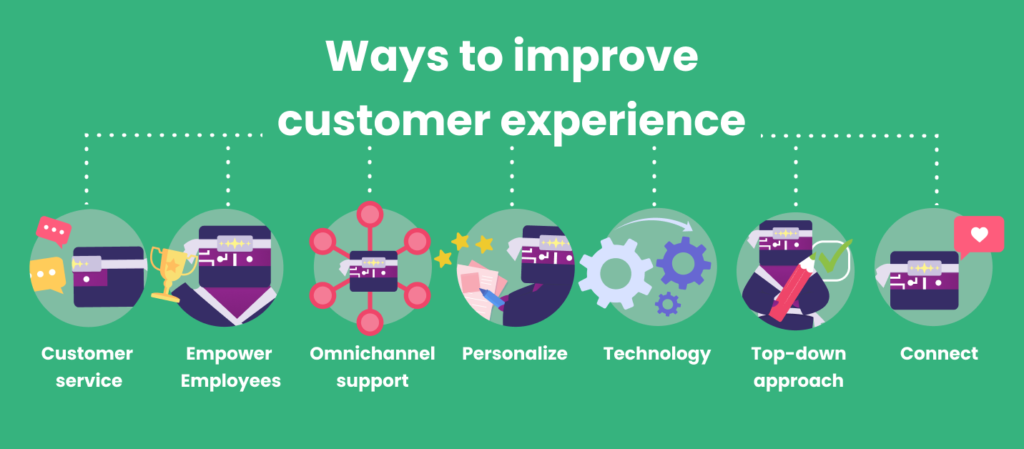
Credit: kaizo.com
Frequently Asked Questions
What Is Customer Experience?
Customer experience is the overall perception customers have of your brand. It includes all interactions and touchpoints.
Why Is Customer Experience Important?
Customer experience is crucial because it impacts customer satisfaction, loyalty, and retention. Positive experiences drive repeat business.
How Can I Improve Customer Experience?
Improve customer experience by understanding customer needs, personalizing interactions, and ensuring timely, efficient service. Collect and act on feedback.
What Role Does Technology Play In Customer Experience?
Technology enhances customer experience by providing seamless, efficient interactions. It enables personalized communication and quick issue resolution.
Conclusion
Improving customer experience is vital for business success. Happy customers return and refer others. Understand their needs, listen actively, and respond quickly. Personalized interactions make customers feel valued. Train your team to deliver exceptional service. Use feedback to improve continuously.
Remember, a positive experience builds loyalty and trust. Implement these strategies to enhance customer satisfaction. Stay committed to making every interaction count.