

Art and technology are merging in fascinating ways. Ai-powered art creation is at the forefront of this trend.
Artificial intelligence is transforming how we create and perceive art. It can generate unique pieces, assist artists, and even predict trends. With AI, the possibilities seem endless. AI tools can analyze vast amounts of data and learn from it. This means they can create artwork that is both innovative and reflective of human creativity.
Artists can explore new styles and techniques, pushing the boundaries of traditional art forms. AI is not just a tool; it is a collaborator. This blog will explore how AI is reshaping the art world, offering new opportunities and challenges. Join us as we delve into the exciting world of AI-powered art creation.

Credit: www.youtube.com
Introduction To Ai In Art
Artificial Intelligence (AI) is transforming many fields. One exciting area is art creation. AI-powered tools can create stunning artworks. They can mimic famous styles or create something new.
Historical Context
Art has a long history of evolving with technology. From cave paintings to digital art, each era had its innovations. The invention of photography changed how we view the world. The digital era brought graphic design and animation. Now, AI is the latest tool to shape art.
Artists once used brushes and canvases. Today, they use algorithms and data. AI can analyze thousands of artworks. It learns patterns, styles, and techniques. This allows it to create unique pieces. Art is no longer just a human endeavor. Machines are now creators too.
Emergence Of Ai Tools
AI art tools have become more accessible. Artists and hobbyists can use them. Some popular tools include:
- DeepArt: Transforms photos into artworks using neural networks.
- RunwayML: Provides a platform for creating AI art without coding.
- DeepDream: Enhances patterns in images to create surreal effects.
These tools are user-friendly. Artists can focus on creativity, not coding. They allow for endless experimentation. The results can be surprising and beautiful.
AI tools are also collaborative. Artists can guide the AI. They can set parameters and choose styles. The AI then generates the art. This partnership can lead to unique and innovative pieces.
The future of art is bright. AI offers new possibilities. It challenges our ideas of creativity. It expands what art can be. The journey of AI in art has just begun.
How Ai Creates Art
Artificial Intelligence has transformed many industries, including art. AI-powered art creation has become a fascinating field. AI can now create stunning pieces of art. But how does AI create art?
Algorithms And Techniques
AI uses various algorithms and techniques to create art. One common method is Generative Adversarial Networks (GANs). GANs consist of two networks: a generator and a discriminator. The generator creates images. The discriminator evaluates them. This process continues until the generator produces realistic images.
Another technique is neural style transfer. This technique combines the content of one image with the style of another. The result is a unique piece of art. AI can also use deep learning to analyze and replicate artistic styles. These methods allow AI to produce diverse and creative artwork.
Machine Learning In Art
Machine learning plays a crucial role in AI art creation. AI models learn from large datasets of images. They understand patterns, styles, and techniques used by human artists. With this knowledge, AI can generate new artwork.
Training an AI model involves feeding it thousands of images. The model learns to identify features such as color, texture, and composition. Once trained, the AI can create art that mimics the learned styles. This process can be applied to various art forms, including paintings, drawings, and digital art.
Machine learning also enables AI to improve over time. As the AI creates more art, it refines its techniques. This leads to more sophisticated and realistic artwork.
Benefits Of Ai Art
AI-powered art creation offers many benefits. It transforms how artists work and what they can create. Let’s explore some key benefits of AI art.
Efficiency And Speed
AI art tools can generate art quickly. This saves time for artists. They can produce more pieces in less time.
AI can handle repetitive tasks. This allows artists to focus on creativity. The process becomes more efficient.
AI can also suggest new ideas. This helps artists when they face creative blocks. It keeps the workflow smooth and productive.
New Artistic Possibilities
AI opens new doors in art. Artists can experiment with styles and techniques. They can create unique pieces that were not possible before.
AI algorithms learn from vast datasets. This gives artists access to a wide range of inspirations. They can blend different styles and cultures in their work.
AI can also create interactive art. Viewers can engage with the artwork in real-time. This makes the art experience more immersive.
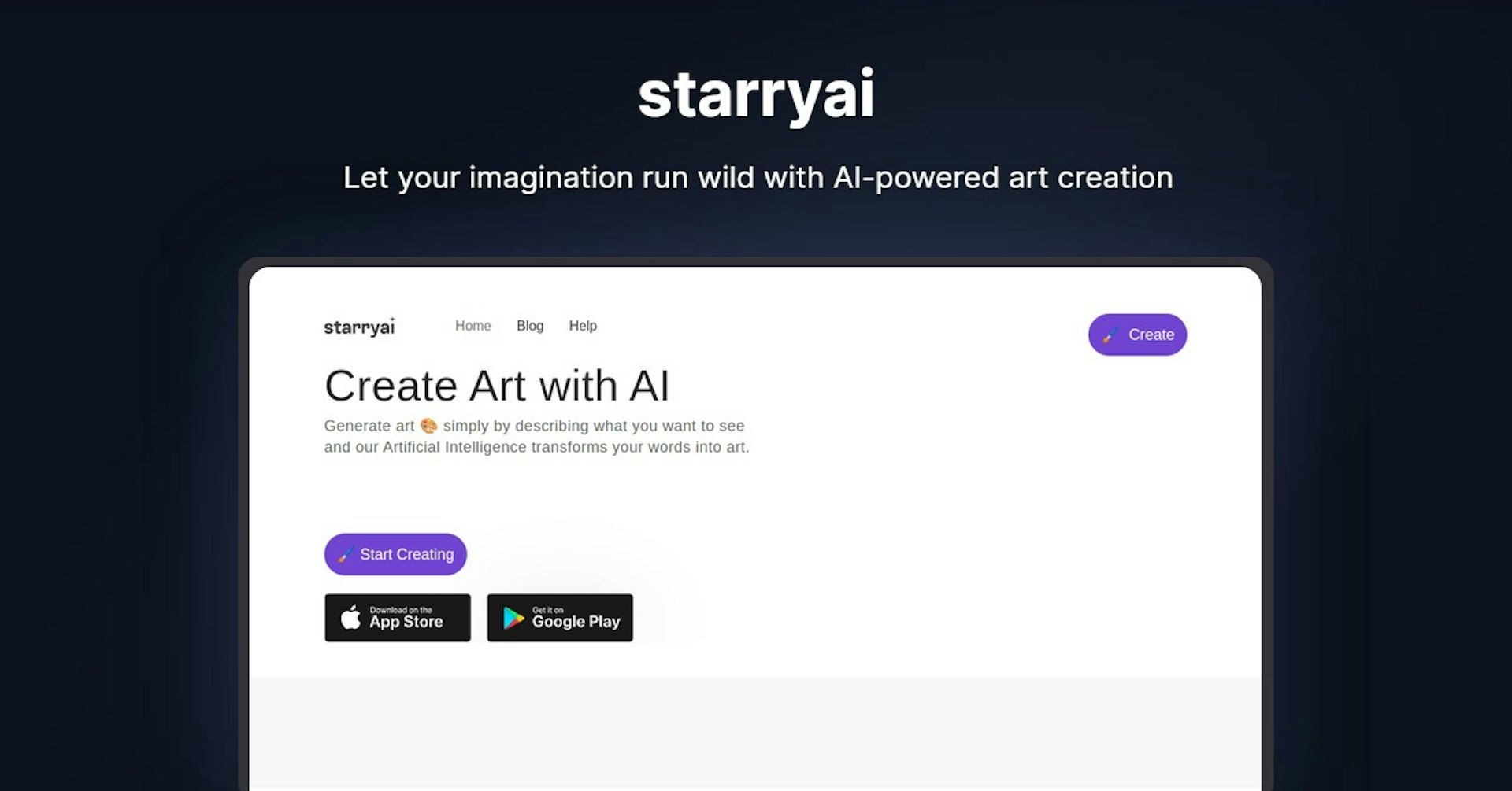
Credit: www.copilotly.com
Challenges And Controversies
Artificial intelligence has opened new doors in art creation, but it has also introduced significant challenges and controversies. These issues revolve around questions of authenticity, ownership, and ethical considerations. This section explores these critical aspects.
Authenticity And Ownership
The use of AI in art creation raises questions about authenticity. Is art created by a machine truly authentic? Traditional art is often valued for the artist’s personal touch and unique perspective. In contrast, AI-generated art lacks a human creator.
Ownership is another major issue. Who owns the rights to AI-created art? The developer of the AI algorithm? The user who inputs the data? Legal systems worldwide are grappling with these questions. There are no clear answers yet.
Consider this scenario:
- A developer creates an AI tool.
- An artist uses this tool to generate artwork.
- Who owns the final piece?
The answer is complex and varies by jurisdiction. This uncertainty can deter artists and collectors from embracing AI art.
Ethical Concerns
AI-powered art creation brings up several ethical concerns. One major concern is the potential for misuse. AI can easily replicate an artist’s style. This could lead to unauthorized reproductions and loss of originality.
Another ethical issue is the data used to train AI models. These models often rely on vast amounts of data, which may include copyrighted material. This raises questions about consent and fair use. Is it ethical to use an artist’s work without their permission?
There are also broader societal implications. AI-generated art could devalue human creativity. It might lead to fewer opportunities for human artists. This technological shift could impact the art community significantly.
To summarize, the challenges and controversies surrounding AI-powered art creation are multifaceted. They touch on authenticity, ownership, and ethical concerns. As AI continues to evolve, these issues will require careful consideration and ongoing dialogue.
Ai In Various Art Forms
Artificial Intelligence (AI) is transforming the art world. From visual arts to literature, AI is making a significant impact. This section explores AI’s role in various art forms.
Visual Arts
AI is creating stunning visual art. Algorithms generate intricate designs and patterns. AI can mimic famous artists’ styles. These creations often blur the line between human and machine artistry. Many museums are showcasing AI-generated art. It’s a fascinating blend of technology and creativity.
AI tools also assist artists in their work. They suggest color palettes and design layouts. This collaboration leads to unique and innovative pieces. Artists can experiment with new techniques. AI provides endless possibilities in visual arts.
Music And Audio
AI is changing the way music is created. Algorithms compose original music. They analyze existing songs to produce new melodies. AI-generated music spans various genres. From classical to pop, the possibilities are endless.
Musicians use AI for mixing and mastering tracks. AI tools enhance sound quality. They help in creating complex compositions. AI also assists in generating background scores for films. This technology streamlines the music production process.
Literature And Writing
AI is making its mark in literature too. Algorithms write poems and stories. They mimic the styles of famous authors. AI-generated text is often indistinguishable from human writing. This technology sparks creativity among writers.
AI tools assist with editing and proofreading. They suggest improvements in grammar and style. Writers can focus more on creativity. AI handles the technical aspects of writing. This collaboration leads to polished and engaging content. AI is truly transforming the world of literature.
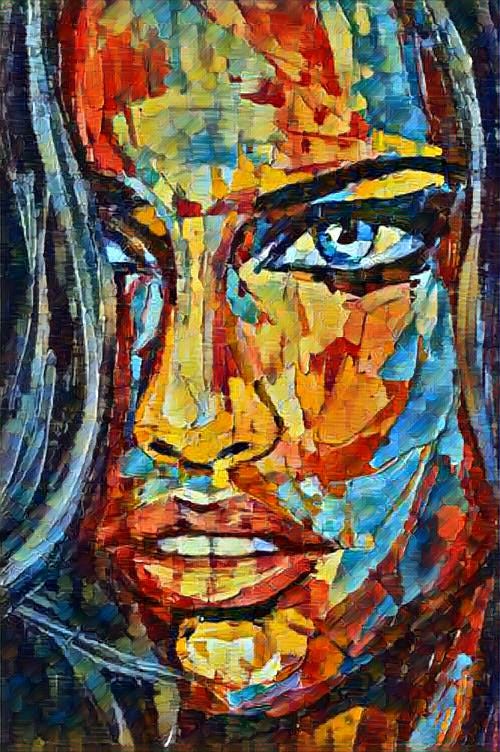
Credit: towardsdatascience.com
Impact On Artists
Artificial Intelligence (AI) is transforming how art is created. This change affects artists in many ways. Some embrace AI, while others worry about job security. Let’s explore the impact of AI-powered art on artists.
Collaboration With Ai
Artists can use AI as a tool. It helps them generate new ideas quickly. AI can create patterns, suggest colors, and even design compositions.
Some artists see AI as a partner. They work together to produce unique pieces. This collaboration can push creative boundaries.
Here are some benefits of collaborating with AI:
- Speeds up the creative process
- Generates fresh ideas
- Improves efficiency
Job Market Changes
AI affects the job market for artists. Some fear AI will replace their jobs. Yet, AI can also create new opportunities.
Let’s look at both sides:
| Concerns | Opportunities |
|---|---|
| Job displacement | New roles in AI art |
| Income loss | Higher demand for tech-savvy artists |
Artists can adapt by learning AI skills. They can offer unique services that combine human creativity with AI efficiency.
Those who embrace AI may find new career paths. For example, they could become AI art consultants or instructors.
Overall, AI-powered art creation brings both challenges and opportunities. Artists who adapt and collaborate with AI can thrive in this evolving landscape.
Future Of Ai In Art
The future of AI in art is a topic of great interest. With rapid advancements in technology, AI is transforming the way art is created, experienced, and appreciated. This section delves into the potential future of AI-powered art creation.
Technological Advancements
AI technology continues to evolve at an unprecedented pace. The integration of machine learning and neural networks has enabled AI to produce intricate and unique art pieces. These technological advancements are pushing the boundaries of creativity.
| Technology | Impact on Art |
|---|---|
| Neural Networks | Creates complex and detailed artworks |
| Machine Learning | Generates unique and personalized art |
| Generative Adversarial Networks (GANs) | Produces realistic and imaginative pieces |
Potential Developments
The future of AI in art holds many exciting possibilities. Here are some potential developments:
- Enhanced Creativity: AI can assist artists in exploring new styles and techniques.
- Personalized Art: AI can create customized art pieces based on individual preferences.
- Interactive Art: AI can enable interactive and dynamic art experiences.
Artists and technologists are collaborating to push the boundaries of what is possible. The integration of AI in art is still in its early stages, but the potential is vast. The future will undoubtedly bring more innovative and engaging art forms.
Case Studies
Artificial Intelligence (AI) has entered the art world. AI can now create stunning artworks. These case studies showcase successful AI art projects and prominent AI artists.
Successful Ai Art Projects
AI art projects have achieved remarkable success. Here are some notable examples:
- Edmond de Belamy: Created by Obvious, an AI collective. The portrait sold for $432,500 at Christie’s.
- DeepDream: Developed by Google. This project turns images into dream-like visuals using neural networks.
- AI Art House: Uses AI to generate unique artworks. These pieces are sold as NFTs on blockchain platforms.
These projects highlight AI’s creative potential. They also show the growing market for AI-generated art.
Prominent Ai Artists
Several AI artists have gained recognition for their works. Here are some prominent names:
- Mario Klingemann: Known for using GANs (Generative Adversarial Networks). His works explore human-machine collaboration.
- Anna Ridler: Combines AI with traditional art techniques. She is famous for her tulip series, inspired by Dutch still-life paintings.
- Robbie Barrat: A young AI artist who uses neural networks. He creates abstract and surreal artworks that challenge conventional art forms.
These artists push the boundaries of creativity. Their works inspire others to explore AI’s artistic possibilities.
Frequently Asked Questions
What Is Ai-powered Art Creation?
AI-powered art creation refers to the use of artificial intelligence to generate artwork. It involves using algorithms and machine learning models to create images, paintings, and other forms of art.
How Does Ai Create Art?
AI creates art by analyzing patterns in existing artworks. It uses these patterns to generate new, unique pieces. The process involves complex algorithms and neural networks.
Can Ai Art Be Considered Original?
Yes, AI art can be considered original. Although it is inspired by existing works, the final creation is unique and distinct.
What Tools Are Used In Ai Art Creation?
Tools used in AI art creation include neural networks, generative adversarial networks (GANs), and various machine learning algorithms. Software like DeepArt and Runway ML are popular.
Conclusion
Ai-powered art creation is transforming the way we create and appreciate art. It offers new tools for artists and opens creative possibilities. While technology advances, human creativity remains crucial. Artists can blend AI with their skills for unique results. Explore, experiment, and enjoy the fusion of art and AI.
The future of art is exciting and full of potential. Stay curious and keep creating.