

In today’s competitive market, branding is essential. It helps your business stand out.
Branding tools play a crucial role in creating a strong brand identity. These tools aid in designing logos, choosing color schemes, and even managing social media presence. By using the right branding tools, businesses can ensure consistent and memorable messaging.
This not only attracts new customers but also retains existing ones. Whether you are a startup or an established company, the right tools can make a difference. In this blog, we will explore various branding tools that can help your business grow. Understanding and utilizing these tools can set your brand on the path to success. Ready to dive into the world of branding tools? Let’s get started.
Credit: blog.replug.io
Introduction To Branding Tools
Branding is essential for any business. It creates a unique identity and sets you apart from competitors. The right tools can make this process easier and more effective.
Importance Of Branding
Branding is more than just a logo. It represents your company’s values, mission, and vision. A strong brand builds trust with your audience. It makes your business memorable and recognizable.
Customers are more likely to choose a brand they know. Good branding can lead to customer loyalty. It can also help you attract new clients.
How Tools Can Help
Various tools can help you build and maintain your brand. These tools simplify tasks and improve efficiency. They can help in designing logos, creating content, and managing social media.
Here are some categories of branding tools:
- Logo Design Tools – Create unique and professional logos.
- Content Creation Tools – Develop engaging content for your brand.
- Social Media Management Tools – Schedule and manage posts.
| Tool Category | Examples |
|---|---|
| Logo Design | Canva, Adobe Spark |
| Content Creation | Grammarly, Hemingway Editor |
| Social Media Management | Hootsuite, Buffer |
Using these tools can save time and improve your branding efforts. They provide templates, analytics, and automation features. This allows you to focus on creativity and strategy.
Logo Design Tools
Creating a strong brand identity starts with a memorable logo. Your logo is the face of your brand. It tells your story and sets you apart. To create this, you need the best Logo Design Tools. These tools help you design a logo that represents your brand. Let’s explore some popular options.
Popular Logo Creators
Many tools are available for creating logos. Here are some popular ones:
- Canva: Easy-to-use with many templates.
- Adobe Illustrator: Powerful tool for professionals.
- LogoMaker: Simple tool for beginners.
- Hatchful by Shopify: Great for eCommerce brands.
- Looka: AI-powered logo creator.
Choosing The Right Tool
Choosing the right tool depends on your needs and skills. Consider these factors:
- Ease of Use: Beginners should look for user-friendly tools.
- Customization: Advanced users may need more customization options.
- Templates: More templates mean more choices.
- Cost: Some tools are free, while others require a subscription.
- Support: Look for tools with good customer support.
Here’s a comparison table for a quick overview:
| Tool | Ease of Use | Customization | Templates | Cost |
|---|---|---|---|---|
| Canva | High | Medium | Many | Free/Paid |
| Adobe Illustrator | Medium | High | Few | Paid |
| LogoMaker | High | Low | Many | Free/Paid |
| Hatchful | High | Medium | Many | Free |
| Looka | High | Medium | Many | Paid |
Use this guide to choose the best tool for your brand. Create a logo that stands out and tells your story.
Color Palette Generators
Creating a cohesive brand identity requires the right color palette. Colors evoke emotions and help define your brand’s personality. But choosing the perfect combination can be challenging. That’s where Color Palette Generators come in. These tools help you create stunning color schemes that resonate with your audience.
Creating A Color Scheme
When creating a color scheme, consider your brand’s values and target audience. Start with a primary color that represents your brand. Then, select complementary colors to enhance your main color. Use a color palette generator to find these colors. These tools analyze color theory and provide harmonious combinations.
Here are some tips for choosing colors:
- Use colors that reflect your brand’s personality.
- Consider color psychology and the emotions colors evoke.
- Ensure your color scheme is versatile for various media.
Top Tools For Color Palettes
Several tools can help you create the perfect color scheme. Here are some of the top color palette generators:
- Coolors: Generate and explore beautiful color schemes. Adjust hues, saturation, and brightness easily.
- Adobe Color: A powerful tool for creating color schemes. Use the color wheel and explore thousands of user-generated palettes.
- Color Hunt: Discover trendy color palettes curated by a community of designers.
- Paletton: Offers a color wheel and various palette options. Ideal for designers looking for precise color combinations.
- Canva Color Palette Generator: Upload an image and get color suggestions. Perfect for creating brand visuals.
These tools simplify the process of finding the right colors. They ensure your brand has a consistent and appealing look.
Typography Tools
Choosing the right typography tools can elevate your brand’s visual identity. Typography is more than just selecting a font. It conveys emotion, style, and personality. With numerous tools available, it’s crucial to find the ones that align with your brand’s essence.
Finding The Perfect Font
Fonts play a crucial role in defining your brand’s character. The right font can make your content more engaging and readable. Here are some tips to find the perfect font:
- Understand Your Brand: Know your brand’s voice and personality.
- Readability: Ensure the font is easy to read on all devices.
- Versatility: Choose a font that works well in various sizes and formats.
- Pairing: Consider how the font pairs with others for a cohesive look.
Experiment with different fonts. Always test them in real-world scenarios before finalizing your choice.
Best Typography Resources
Several resources can help you explore and choose the best typography for your brand. Here are some top recommendations:
- Google Fonts: A vast library of free, open-source fonts.
- Adobe Fonts: Access to high-quality fonts with an Adobe subscription.
- Font Squirrel: Free fonts for commercial use, with a handy font identifier tool.
- Typekit: A subscription-based service offering a wide range of fonts.
- DaFont: A large collection of fonts, categorized by themes.
Utilize these resources to find fonts that resonate with your brand’s identity. They offer both free and premium options, catering to different needs and budgets.
Social Media Branding
Branding on social media is crucial for businesses today. It helps build a consistent and recognizable presence across various platforms. Effective social media branding can drive engagement, build trust, and increase visibility. Utilizing the right tools can simplify this process and ensure your brand remains consistent.
Tools For Consistent Branding
Consistency is key in social media branding. Using the same colors, fonts, and logo across all platforms helps to create a unified image. Canva is an excellent tool for this. It allows you to create branded templates for posts, stories, and ads.
Adobe Spark is another great option. It offers a range of design tools to keep your branding consistent. You can save your brand colors, fonts, and logos in one place. This makes it easy to apply them to all your designs.
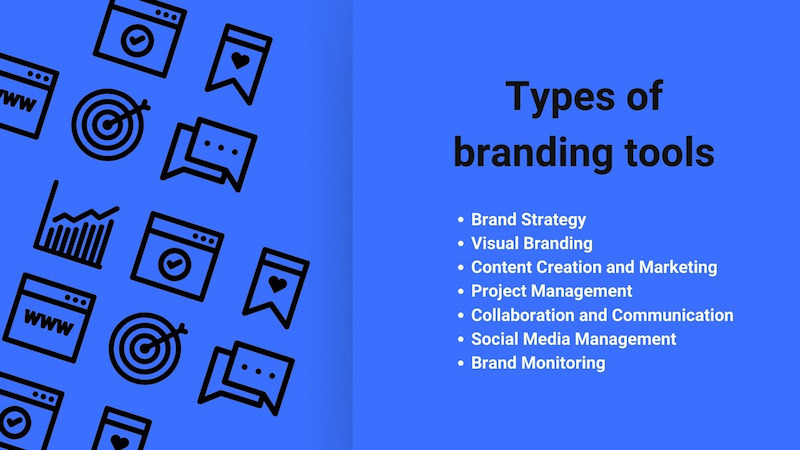
Here are some tools to ensure consistent branding:
| Tool | Features |
|---|---|
| Canva | Custom templates, brand kits, easy-to-use interface |
| Adobe Spark | Branding tools, design templates, multi-platform support |
| Crello | Design templates, branding kits, animation tools |
Scheduling And Analytics
Consistency in posting is just as important as visual consistency. Scheduling tools help you plan and automate your posts. This ensures you maintain a regular posting schedule without manual effort.
Hootsuite is a popular scheduling tool. It allows you to schedule posts across multiple social media platforms. You can also track performance and engagement with its analytics features.
Buffer is another useful tool. It lets you schedule posts in advance and provides insights into their performance. Buffer’s analytics help you understand which content resonates with your audience.
Here are some tools for scheduling and analytics:
| Tool | Features |
|---|---|
| Hootsuite | Post scheduling, analytics, multi-platform support |
| Buffer | Post scheduling, performance insights, team collaboration |
| Later | Visual scheduling, analytics, Instagram focus |
Using these tools helps maintain a consistent and engaging social media presence. They save time and provide valuable insights into your audience’s behavior.
Credit: flippingbook.com
Brand Asset Management
Brand Asset Management is essential for maintaining a consistent and recognizable brand. It involves organizing, storing, and managing all brand-related assets. These assets include logos, images, videos, and documents. Proper management ensures easy access and usage, leading to a cohesive brand identity.
Organizing Brand Assets
Organizing brand assets can be challenging. But, it’s crucial for brand consistency. A well-organized system helps team members find what they need quickly. It prevents the misuse of outdated or incorrect assets.
Use clear and descriptive labels for each asset. Categorize assets based on their type, such as logos, images, or videos. Create folders or directories for each category. This method keeps everything in order and easy to find.
For example:
- Logos
- Primary Logo
- Secondary Logo
- Monochrome Logo
- Images
- Product Images
- Event Photos
- Team Photos
- Videos
- Promotional Videos
- Testimonial Videos
- Tutorial Videos
Digital Asset Management Tools
Digital Asset Management (DAM) tools are essential for brand asset management. These tools help store, organize, and share digital assets. They provide a central location for all brand assets, making them accessible to team members.
Some popular DAM tools include:
- Adobe Experience Manager: Offers comprehensive asset management and easy integration with other Adobe products.
- Bynder: Provides a user-friendly interface and robust search capabilities.
- Widen Collective: Known for its scalability and customization options.
Using DAM tools ensures that your brand assets are always up-to-date. It also helps maintain a consistent brand image across all platforms.
Customer Feedback Tools
Customer Feedback Tools play a crucial role in understanding your audience. These tools help brands gather valuable insights and improve their overall perception. Effective feedback tools can transform customer experiences and boost brand loyalty.
Gathering Insights
Customer feedback tools help in gathering insights directly from your audience. These tools can include surveys, feedback forms, and social media listening tools. Each tool offers unique ways to capture valuable information.
Surveys are a popular choice. They can be tailored to ask specific questions about products or services. Feedback forms are versatile and can be embedded on your website. Social media listening tools monitor conversations about your brand online. They help in understanding the sentiment and opinions of your audience.
Here’s a quick comparison of different feedback tools:
| Tool | Purpose | Pros | Cons |
|---|---|---|---|
| Surveys | Collect structured feedback | Easy to analyze | May have low response rates |
| Feedback Forms | Gather specific feedback | Customizable | Can be ignored by users |
| Social Media Listening | Monitor brand mentions | Real-time insights | Requires constant monitoring |
Improving Brand Perception
Using customer feedback tools can significantly improve your brand perception. Listening to your audience and addressing their concerns shows that you care. It builds trust and fosters loyalty.
Act on the feedback received. If customers mention an issue repeatedly, fix it. Communicate these changes to your audience. They need to know their feedback is valued and acted upon.
Positive feedback is equally important. Highlight positive reviews and testimonials. Share these on your website and social media. It reinforces a positive image of your brand.
- Listen to your audience
- Act on feedback
- Communicate changes
- Highlight positive reviews
Implementing these steps will enhance your brand’s reputation. It will also create a stronger connection with your audience.
Credit: www.researchgate.net
Monitoring Brand Performance
Monitoring your brand’s performance is essential for growth and success. It helps you understand how well your brand is doing in the market. Through careful analysis and strategy adjustments, you can stay ahead of the competition. Let’s delve into how you can monitor your brand effectively.
Analytics And Metrics
Using analytics and metrics is crucial for tracking brand performance. They provide valuable insights into customer behavior and preferences.
Here are some key metrics to monitor:
- Brand Awareness: Measures how many people know your brand.
- Customer Engagement: Tracks how customers interact with your brand.
- Conversion Rates: Shows how many visitors turn into customers.
- Customer Loyalty: Indicates how many customers return to your brand.
- Brand Sentiment: Analyzes the overall public opinion about your brand.
Regularly checking these metrics helps in understanding brand health and making informed decisions.
Adjusting Strategies
Once you have the data, it’s time to adjust your strategies. Here’s how:
- Identify Weak Points: Look for areas where your brand is underperforming.
- Set Clear Goals: Define what you want to achieve.
- Implement Changes: Modify your marketing and branding efforts accordingly.
- Monitor Results: Keep an eye on how the changes impact your metrics.
Adjusting strategies based on data ensures continuous improvement and growth. It helps you stay relevant and competitive.
Frequently Asked Questions
What Are Branding Tools?
Branding tools are software or resources that help create, manage, and enhance a brand’s identity. They include logo makers, color palette generators, and social media management tools.
Why Use Branding Tools?
Branding tools help maintain a consistent brand image. They save time, improve productivity, and ensure professional-quality results, enhancing brand recognition.
How Do Branding Tools Benefit Businesses?
Branding tools streamline brand creation and management. They ensure consistency, improve brand visibility, and help businesses stand out in competitive markets.
What Is The Best Free Branding Tool?
Canva is a popular free branding tool. It offers a wide range of templates, graphics, and design elements for creating professional brand materials.
Conclusion
Branding tools shape your business identity effectively. They help you stand out. These tools simplify your marketing efforts. Consistent use builds trust with your audience. Enhance your brand with the right tools. Stay updated with trends and best practices. Choose tools that fit your needs.
Experiment and learn from results. Your brand deserves the best tools. Invest in branding for long-term success.