

Customer experience is crucial for business success. Improving it can boost loyalty and growth.
In today’s competitive market, businesses must prioritize customer experience. A positive experience can lead to repeat customers and strong word-of-mouth promotion. But what does it take to enhance customer experience? It involves understanding your customers’ needs, providing exceptional service, and continuously seeking ways to improve.
Happy customers are more likely to return and recommend your services to others. This blog will explore effective strategies to improve customer experience. By the end, you’ll have actionable insights to make your customers feel valued and satisfied. Let’s dive into the essential aspects of customer experience improvement.
Introduction To Customer Experience
Customer experience (CX) is the overall perception a customer has with a brand. It includes every interaction a customer has with a company. This can range from browsing a website to talking to customer service. Good customer experience leads to customer loyalty. On the other hand, poor customer experience can drive customers away.
Importance Of Customer Experience
Customer experience is crucial for any business. It affects customer satisfaction and retention. Here are some key points to consider:
- Brand Loyalty: Positive experiences create loyal customers.
- Revenue Growth: Happy customers are more likely to buy again.
- Word-of-Mouth: Satisfied customers often recommend your brand to others.
Investing in customer experience can result in a higher return on investment (ROI). Customers are willing to pay more for a better experience. This shows the direct impact of CX on revenue.
Current Trends In Customer Experience
Keeping up with current trends in customer experience is vital. Here are some trends to watch:
- Personalization: Customers prefer personalized experiences. This includes personalized emails and product recommendations.
- Omni-channel Support: Providing support across various channels like chat, email, and phone.
- AI and Automation: Using AI to improve customer service efficiency. Chatbots and virtual assistants are becoming popular.
Staying updated with these trends can help improve customer experience. Businesses should always look for new ways to enhance customer interactions.
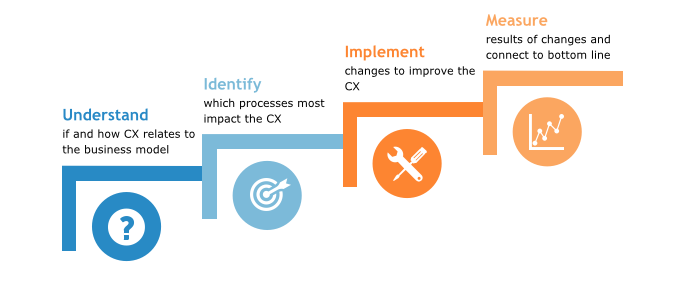
Credit: www.softwareadvice.com
Understanding Your Customers
To improve the customer experience, you must first understand your customers. This involves knowing who they are, what they want, and how they interact with your brand. By focusing on these aspects, you can tailor your services to meet their needs and exceed their expectations.
Customer Personas
Customer personas are fictional characters that represent your target audience. They help you understand your customers’ needs, behaviors, and goals. Creating customer personas involves research and data collection. Here’s a simple table to guide you:
| Persona | Demographics | Goals | Challenges |
|---|---|---|---|
| John Doe | Age: 30, Male, Urban | Finds quick solutions | Lack of time |
| Jane Smith | Age: 25, Female, Suburban | Seeks affordable options | Budget constraints |
Use these personas to tailor your marketing and services. This will help you connect with your audience on a deeper level.
Customer Journey Mapping
Customer journey mapping is a visual representation of the customer experience. It tracks every touchpoint a customer has with your brand. A journey map includes stages like awareness, consideration, and purchase. Here’s an example of a simple customer journey map:
- Awareness: Customer learns about your brand through ads.
- Consideration: Customer visits your website and reads reviews.
- Purchase: Customer buys your product online or in-store.
- Post-Purchase: Customer receives follow-up emails and support.
Mapping the journey helps you identify pain points and opportunities. This enables you to improve each stage, creating a smoother and more enjoyable experience for your customers.
Personalization Techniques
Personalization is key to improving customer experience. Modern businesses use personalization techniques to cater to individual customer needs. This approach builds stronger relationships and increases customer loyalty. Let’s explore some effective personalization techniques.
Tailored Communication
Tailored communication means sending messages that speak directly to each customer. Use their name, past purchases, and preferences. This makes customers feel valued and understood. Personalized emails have higher open rates and engagement.
Consider segmenting your audience based on their behavior. Create segments like new customers, loyal customers, and inactive customers. Send relevant messages to each group. This boosts the effectiveness of your communication.
Here’s an example of how you can segment your audience:
| Segment | Characteristics | Message Type |
|---|---|---|
| New Customers | First-time buyers | Welcome messages, onboarding tips |
| Loyal Customers | Frequent buyers | Exclusive offers, loyalty rewards |
| Inactive Customers | No purchase in 6 months | Re-engagement offers, feedback requests |
Customized Offers
Customized offers cater to individual customer preferences. Use data from past purchases to recommend products. This increases the chance of conversion. For instance, if a customer buys sports shoes, suggest sports apparel.
Implement a recommendation engine on your website. Show personalized product suggestions based on browsing history. This keeps customers engaged and interested.
Here’s a simple checklist to create effective customized offers:
- Analyze customer purchase history.
- Identify patterns and preferences.
- Create personalized product recommendations.
- Send tailored offers via email or SMS.
- Track the performance of your offers.
Customized offers enhance the shopping experience. They make customers feel special and increase sales.
Leveraging Technology
Improving customer experience is essential for business success. Leveraging technology can transform how companies interact with their customers. Various tools and systems can help streamline operations and enhance customer satisfaction.
Crm Systems
Customer Relationship Management (CRM) systems are vital for managing customer interactions. They store customer data, track interactions, and automate tasks. This helps businesses understand customer needs better.
A CRM system can:
- Track customer interactions
- Store customer data
- Automate follow-ups
- Improve customer service
Popular CRM systems include:
| CRM System | Features |
|---|---|
| Salesforce | Advanced analytics, automation |
| HubSpot | Email tracking, lead management |
| Zoho CRM | Customizable dashboards, AI insights |
Ai And Chatbots
Artificial Intelligence (AI) and chatbots are transforming customer service. They provide instant responses and 24/7 support. This improves customer satisfaction and reduces workload.
Benefits of AI and chatbots:
- 24/7 customer support
- Instant responses
- Automated workflows
- Cost-effective solutions
Common uses of AI and chatbots:
- Answering FAQs
- Handling customer inquiries
- Providing product recommendations
- Scheduling appointments
Integrating AI and chatbots into your business can enhance customer experience and streamline operations.
Employee Training And Engagement
Focusing on Employee Training and Engagement is crucial for enhancing customer experience. Employees who are well-trained and engaged are more likely to deliver exceptional service. This section will delve into how training programs and employee empowerment can make a significant difference.
Training Programs
Effective training programs equip employees with the necessary skills and knowledge. They need to understand company values, product details, and customer service techniques.
- Onboarding: Introduce new hires to the company culture and values.
- Product Training: Ensure employees know the products/services inside out.
- Customer Service Skills: Teach employees how to handle different customer scenarios.
Regular training sessions help keep skills sharp. They also introduce new techniques and tools. Consider using a mix of in-person and online training.
Employee Empowerment
Employee empowerment involves giving staff the authority to make decisions. This boosts their confidence and improves customer interactions.
- Decision-Making Power: Allow employees to solve problems on the spot.
- Feedback Mechanisms: Encourage employees to share their ideas and feedback.
- Recognition Programs: Acknowledge and reward outstanding performance.
Empowered employees feel valued. They are more likely to go the extra mile for customers. Create a supportive environment where employees can thrive.
| Training Aspect | Benefits |
|---|---|
| Onboarding | Quickly integrate new hires into the team. |
| Product Training | Improve product knowledge and confidence. |
| Customer Service Skills | Enhance customer interaction quality. |
| Decision-Making Power | Faster problem resolution. |
| Feedback Mechanisms | Continuous improvement and innovation. |
| Recognition Programs | Boost employee morale and motivation. |
Incorporating these elements will lead to a more engaged workforce. This will directly impact the customer experience in a positive way.
Feedback And Continuous Improvement
Customer experience (CX) is key to business success. To improve CX, businesses must focus on feedback and continuous improvement. Collecting feedback helps identify areas needing change. Continuous improvement ensures these changes enhance customer satisfaction. This section will explore effective feedback channels and how to implement changes based on customer insights.
Customer Feedback Channels
Gathering feedback is essential. Businesses should use various customer feedback channels to get a complete picture.
- Surveys: Use short, simple surveys to collect feedback. Online tools like Google Forms can help.
- Email: Send follow-up emails asking for feedback. Keep emails brief and to the point.
- Social Media: Monitor comments and messages on social platforms. Respond promptly to engage customers.
- Website Forms: Add feedback forms to your website. Make them easy to find and fill out.
- Live Chat: Implement live chat on your site. It allows real-time feedback and immediate support.
Implementing Changes
Once feedback is collected, it’s crucial to act on it. This demonstrates that you value your customers’ opinions.
- Analyze Feedback: Categorize feedback to identify common issues or suggestions.
- Prioritize Issues: Focus on the most frequently mentioned problems. These impact the most customers.
- Develop Solutions: Create plans to address identified issues. Ensure solutions are practical and effective.
- Communicate Changes: Inform customers about the improvements you’ve made. Transparency builds trust.
- Monitor Results: Track the impact of changes on customer satisfaction. Use metrics to measure success.
Implementing changes based on feedback can significantly enhance the customer experience. It shows customers that their opinions matter. This builds loyalty and fosters long-term relationships.
Enhancing Digital Experience
Enhancing the digital experience is essential for improving customer satisfaction and retention. A seamless and engaging digital presence can drive customer loyalty and increase conversions. Below, we explore key strategies for enhancing the digital experience through website usability and mobile experience.
Website Usability
A user-friendly website is crucial for a positive digital experience. Here are some tips to improve website usability:
- Simple Navigation: Ensure the site is easy to navigate. Use clear labels and a logical structure.
- Fast Load Times: Optimize images and code to reduce load times. A slow site can frustrate users.
- Readable Content: Use simple fonts and adequate spacing. Break text into short paragraphs and use bullet points.
- Accessible Design: Make sure your site is accessible to everyone. Use alt text for images and ensure compatibility with screen readers.
Implementing these strategies can make your website more usable and enjoyable for visitors.
Mobile Experience
With more users accessing the internet via mobile devices, optimizing the mobile experience is essential. Consider the following points:
- Responsive Design: Ensure your site adjusts to different screen sizes. A responsive design enhances the user experience on all devices.
- Touch-Friendly Elements: Make buttons and links easy to tap. Avoid small or closely spaced elements.
- Fast Mobile Load Times: Optimize your site for mobile speed. Use mobile-friendly images and reduce unnecessary scripts.
- Mobile-Specific Features: Incorporate features that enhance mobile use. Examples include click-to-call buttons and location-based services.
Improving the mobile experience can lead to higher engagement and satisfaction among mobile users.
Credit: userpilot.com
Measuring Success
Improving customer experience is essential. But how do you know your efforts are working? Measuring success is key. It helps you understand what’s working and what’s not. By tracking the right metrics, you can make informed decisions.
Key Metrics
To measure success, focus on key metrics. These metrics help you see where you stand. Here are some important ones:
- Customer Satisfaction Score (CSAT): Measures how satisfied customers are with your service.
- Net Promoter Score (NPS): Shows how likely customers are to recommend you.
- Customer Effort Score (CES): Indicates how easy it is for customers to interact with your business.
- First Response Time: Measures how quickly you respond to customer inquiries.
- Resolution Time: Tracks how long it takes to resolve customer issues.
Analyzing Results
After gathering data, the next step is analyzing results. This helps you identify trends and areas for improvement. Here are some steps:
- Collect data regularly.
- Use data visualization tools like graphs and charts.
- Compare results over different periods.
- Identify patterns in customer feedback.
- Pinpoint areas needing attention.
Analyzing results can be challenging. Here’s a simple table to help organize your data:
| Metric | Current Score | Target Score | Action Plan |
|---|---|---|---|
| CSAT | 75% | 85% | Improve response times |
| NPS | 50 | 70 | Enhance customer service training |
| CES | 3.5 | 4.5 | Simplify online processes |
Regular analysis helps you stay on track. It ensures continuous improvement in customer experience.
Case Studies Of Success
Improving customer experience (CX) is crucial for any business. It drives customer loyalty and boosts revenue. Various industries have implemented successful strategies. Let’s explore some case studies from different sectors.
Retail Industry
The retail industry thrives on customer satisfaction. Here are some standout examples:
- Amazon: Amazon’s customer-centric approach sets it apart. They offer personalized recommendations and seamless checkout. Their customer service is available 24/7, ensuring quick resolution of issues.
- Walmart: Walmart invests in technology to enhance CX. Their mobile app allows easy navigation and price comparison. In-store pick-up options add convenience.
| Company | Strategy | Result |
|---|---|---|
| Amazon | Personalized recommendations | Increased sales |
| Walmart | Mobile app and in-store pick-up | Enhanced customer satisfaction |
Service Industry
The service industry relies heavily on CX. Here are some notable examples:
- Starbucks: Starbucks focuses on personalized service. They remember customer preferences and provide a welcoming environment. Their rewards program also keeps customers coming back.
- Marriott: Marriott offers exceptional customer service. They use feedback to improve their offerings. Their loyalty program provides exclusive benefits, enhancing guest experiences.
| Company | Strategy | Result |
|---|---|---|
| Starbucks | Personalized service and rewards program | Higher customer retention |
| Marriott | Customer feedback and loyalty program | Increased guest satisfaction |
Future Of Customer Experience
The future of customer experience is bright and exciting. Companies are now more focused on delivering exceptional experiences. Technology is rapidly advancing, which opens up new possibilities for customer engagement. Let’s explore the emerging trends and how businesses can prepare for the future.
Emerging Trends
Several trends are shaping the future of customer experience:
- Artificial Intelligence (AI): AI is helping businesses personalize interactions and provide quicker responses.
- Chatbots: Chatbots are becoming more sophisticated and can handle complex queries.
- Omnichannel Support: Customers expect seamless experiences across all channels.
- Data Analytics: Using data to understand customer behavior and preferences is crucial.
- Virtual and Augmented Reality: These technologies offer immersive experiences, enhancing customer engagement.
Preparing For The Future
To stay ahead, businesses must adopt these strategies:
- Invest in Technology: Embrace AI, chatbots, and other tools to enhance customer interactions.
- Focus on Personalization: Use data to create personalized experiences for each customer.
- Train Employees: Ensure staff are well-versed in new technologies and customer service techniques.
- Monitor Trends: Stay updated with the latest trends and adapt strategies accordingly.
- Gather Feedback: Regularly collect and analyze customer feedback to identify areas for improvement.
| Trend | Description |
|---|---|
| Artificial Intelligence | Personalizes interactions, provides quicker responses. |
| Chatbots | Handles complex queries, available 24/7. |
| Omnichannel Support | Seamless experience across various channels. |
| Data Analytics | Understands customer behavior and preferences. |
| Virtual and Augmented Reality | Offers immersive experiences, enhances engagement. |
By embracing these trends and strategies, businesses can enhance customer satisfaction. The future of customer experience is here, and it’s time to get ready.
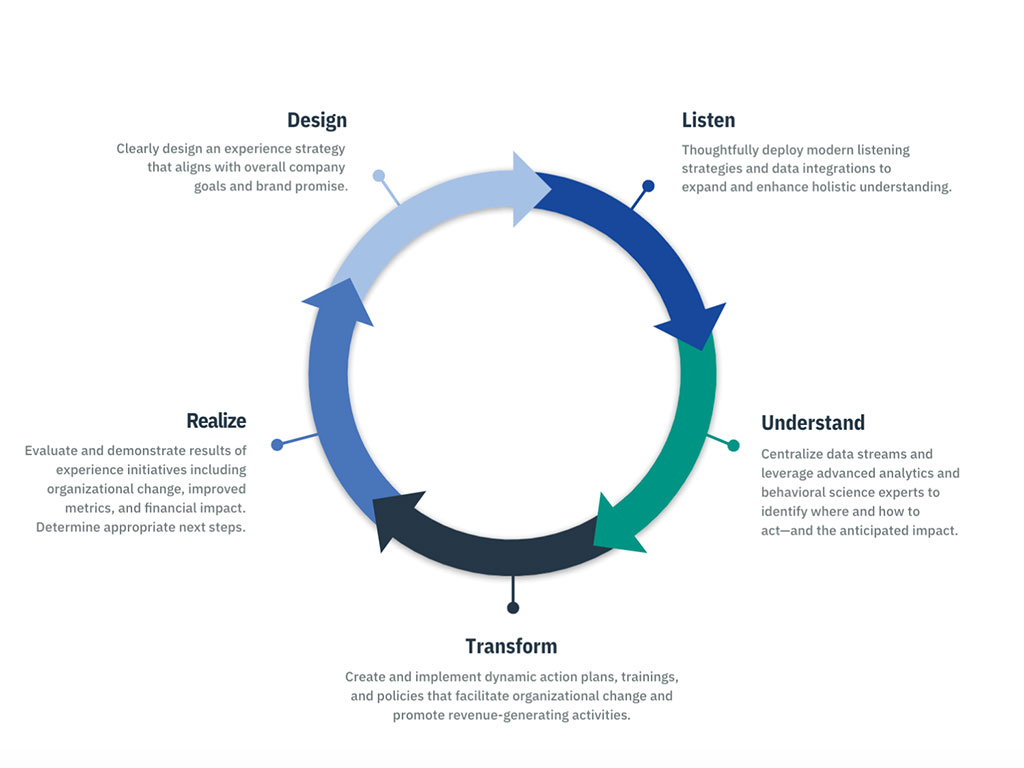
Credit: inmoment.com
Frequently Asked Questions
How To Improve Customer Experience?
Improving customer experience involves understanding customer needs, providing excellent service, and continuously seeking feedback. Implementing user-friendly technology and personalizing interactions also help.
What Are Customer Experience Strategies?
Customer experience strategies include personalized communication, efficient problem resolution, and consistent service. Using data analytics to understand customer behavior can also enhance experiences.
Why Is Customer Feedback Important?
Customer feedback is crucial as it helps identify areas of improvement and understand customer expectations. It guides businesses in making better decisions.
How Does Technology Impact Customer Experience?
Technology enhances customer experience by providing fast, efficient service and personalized interactions. It also enables self-service options and improves communication channels.
Conclusion
Improving customer experience boosts satisfaction and loyalty. Happy customers return often. They also recommend your business to others. Implement feedback to make improvements. Train staff to handle issues quickly. Use technology to streamline processes. Personalize interactions for a better connection.
Regularly review and adapt strategies. Remember, a great customer experience is key to success. Keep it simple and effective. Customers will appreciate your efforts. And your business will thrive.