

Image generation is transforming the way we create visual content. This technology uses algorithms to produce images from scratch.
Imagine describing a scene, and a computer generates that exact picture. This is what image generation can do. It’s a powerful tool for artists, marketers, and anyone needing unique visuals. From creating realistic landscapes to abstract art, the possibilities are endless.
This technology saves time and inspires creativity. Whether you’re designing a website, developing a game, or crafting social media posts, image generation offers endless creative solutions. Dive into the world of image generation and discover how it can enhance your projects.
Introduction To Image Generation
Image Generation is a fascinating field that has gained immense popularity. It involves creating visual content using advanced algorithms and techniques. This technology is transforming various industries, making it easier to produce high-quality images. Let’s dive into the world of image generation and understand its evolution and importance.
Evolution Of Visual Content
The journey of visual content has been remarkable. Initially, artists created images by hand. With the advent of cameras, photography revolutionized image creation. Then came digital art, which allowed artists to create and edit images on computers.
The next big leap was the development of image generation algorithms. These algorithms can create realistic images without human intervention. Technologies like GANs (Generative Adversarial Networks) have taken this to the next level. They can generate images that are almost indistinguishable from real photos.
The evolution of visual content continues. AI and machine learning are pushing the boundaries. These advancements enable the creation of stunning images with minimal effort.
Importance In Modern Media
Image generation plays a crucial role in modern media. It enhances the quality of visual content. This is vital for attracting and retaining audience attention.
In advertising, generated images can create compelling visuals. They can be customized for different target audiences, increasing engagement. In entertainment, movies and games use generated images to create realistic scenes.
| Industry | Application |
|---|---|
| Advertising | Custom Visuals |
| Entertainment | Realistic Scenes |
| E-commerce | Product Images |
E-commerce also benefits from image generation. It provides high-quality product images that enhance the shopping experience. This can lead to increased sales and customer satisfaction.
In conclusion, image generation is transforming visual content creation. Its impact on modern media is significant. As technology advances, its applications will only grow.
Technologies Behind Image Generation
Image generation has become a crucial part of modern technology. The ability to create realistic images has many applications. These range from entertainment to healthcare. To understand this, let’s explore the core technologies behind image generation.
Ai And Machine Learning
Artificial Intelligence (AI) and Machine Learning (ML) are the backbone of image generation. They enable machines to learn from data. This learning helps in creating realistic images. Using algorithms, AI and ML can analyze vast amounts of visual data. This analysis helps in generating new images.
AI and ML work together. AI sets the rules, while ML improves the process. With each iteration, the results get better. This synergy is key to the advances in image generation.
Neural Networks
Neural Networks are inspired by the human brain. They consist of layers of nodes. Each node represents a neuron. These networks process information in layers. The first layer receives input, like an image. The final layer produces the output.
There are several types of neural networks:
- Convolutional Neural Networks (CNNs): These are great for analyzing visual data.
- Generative Adversarial Networks (GANs): These create new images by pitting two networks against each other.
Neural networks learn patterns. This learning helps in generating lifelike images. Over time, the networks become more efficient. This efficiency leads to better image quality.
In summary, the combination of AI, ML, and neural networks drives image generation. These technologies work together to create amazing visuals. They have transformed how we create and view images.
Popular Image Generation Tools
Image generation tools are changing how we create visuals. These tools use AI to make stunning images from text or other images. Here, we will discuss some popular tools that are leading the way.
Deepart
DeepArt is known for its ability to transform photos into artwork. It uses neural networks to apply artistic styles to images. You can turn your photo into a Van Gogh painting or a Picasso masterpiece.
- Easy to Use: Upload your photo and choose a style.
- High Quality: Produces images that look like real paintings.
- Variety: Many styles to choose from.
DeepArt is perfect for those who want to add an artistic touch to their images. It provides high-quality results with minimal effort.
Dall-e
DALL-E is an AI tool from OpenAI. It can create images from text descriptions. Type what you want, and DALL-E will generate an image for you.
- Versatile: Generate images from any text description.
- Creative: Create unique and imaginative visuals.
- AI-Powered: Uses advanced AI to understand and create images.
DALL-E is great for those who need unique images for projects or presentations. Its ability to create from text makes it a powerful tool.
Both DeepArt and DALL-E offer unique features. Whether you need artistic transformations or AI-generated images, these tools have you covered.
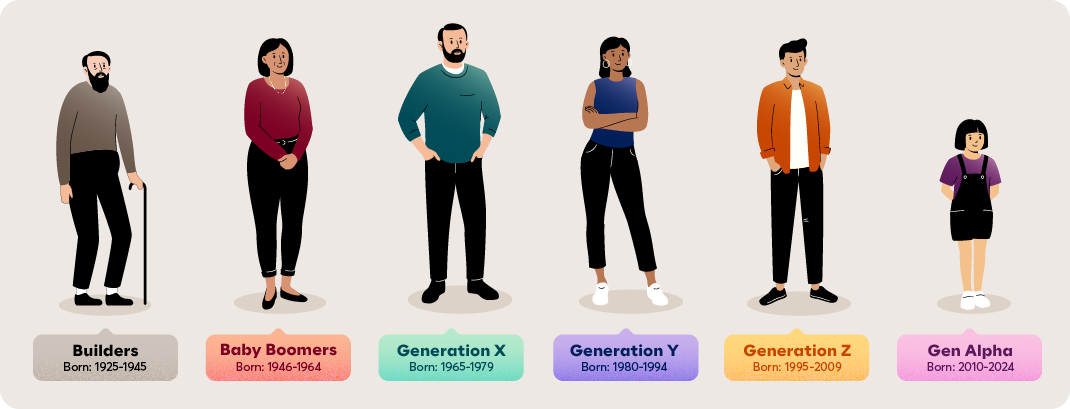
Credit: mccrindle.com.au
Applications In Various Industries
Image generation has found its way into many fields. This technology is changing how industries operate. Its impact can be seen across marketing, entertainment, healthcare, and more. Let’s explore some of these sectors.
Marketing And Advertising
In marketing and advertising, image generation is a powerful tool. It helps create eye-catching visuals. These visuals attract more customers. Brands use AI to generate unique images for campaigns.
Generated images can be tailored to specific audiences. This ensures that the right message reaches the right people. For instance, a sports brand can create images showing athletes in action. This appeals to sports enthusiasts and increases engagement.
Image generation also saves time and resources. Companies no longer need expensive photoshoots. They can generate high-quality images quickly. This allows for faster campaign rollouts and more frequent updates.
Entertainment And Media
The entertainment industry benefits greatly from image generation. In movies, AI creates realistic special effects. This enhances the visual experience for viewers. Filmmakers can bring their imaginations to life.
In media, AI-generated images support content creation. News outlets use these images to illustrate stories. This makes articles more engaging and informative.
Video games also leverage image generation. Developers create lifelike characters and environments. This improves the gaming experience. Players enjoy more immersive worlds.
Image generation in entertainment and media opens new creative avenues. It helps content creators produce stunning visuals. This keeps audiences captivated and entertained.
Impact On Traditional Art Forms
The rise of image generation technology has deeply influenced traditional art. This digital age brings both opportunities and challenges for artists. Let’s explore how this impact unfolds.
Transformation Of Art Creation
Traditional art forms are evolving with new digital tools. Artists now have access to software that can create stunning visuals. This technology speeds up the art creation process.
- Artists can experiment with different styles quickly.
- Customizable tools offer endless creative possibilities.
- Digital platforms enable easy sharing and collaboration.
Using these tools, artists can blend traditional techniques with digital methods. This fusion creates unique art pieces. Paintings, drawings, and sculptures can now integrate digital elements seamlessly.
Challenges For Traditional Artists
Despite the benefits, traditional artists face significant challenges. Adapting to new technology can be daunting.
- Learning new software requires time and effort.
- Some artists may feel overwhelmed by rapid changes.
- Maintaining the essence of traditional art can be difficult.
Moreover, the digital art market is growing fast. This shift affects the demand for traditional artworks. Artists must find ways to stay relevant in this digital era.
In summary, the impact of image generation on traditional art forms is profound. The transformation brings innovation and challenges alike. Traditional artists must adapt to thrive in this evolving landscape.

Credit: www.amazon.com
Ethical Considerations
Image generation technology has advanced rapidly. While it’s exciting, there are important ethical considerations to keep in mind. These considerations include copyright issues and authenticity concerns. Understanding these issues helps ensure responsible use of image generation tools.
Copyright Issues
One major ethical concern is copyright. Using someone’s image without permission can lead to legal troubles. It’s essential to ensure that the images generated are free from copyright infringement. Here are a few points to consider:
- Always check the source of the original image.
- Use images that are in the public domain or have a creative commons license.
- When in doubt, seek permission from the image owner.
Remember, respecting copyright laws is not only legal but also ethical. It shows respect for the original creator’s work.
Authenticity Concerns
Another ethical consideration is the authenticity of generated images. Fake images can spread misinformation and cause harm. Here are some key points to keep in mind:
- Clearly label generated images as such.
- Be transparent about the use of image generation tools.
- Verify the accuracy and source of the images used.
Ensuring authenticity helps maintain trust and credibility. It also prevents the spread of false information. Always be clear about the nature of the images you use.
Ethical considerations are crucial in image generation. Addressing copyright issues and authenticity concerns can lead to more responsible and ethical use of technology.
Future Of Image Generation
The future of image generation holds immense potential. It’s an exciting field blending creativity with technology. As we step into this future, several key areas stand out. Let’s explore the advancements, potential growth, and what lies ahead.
Advancements In Technology
Technological progress has been rapid. These advancements fuel innovation in image generation. One significant development is artificial intelligence (AI). AI can create stunning images from simple text descriptions. This makes image creation accessible to everyone.
Another breakthrough is the use of generative adversarial networks (GANs). GANs generate high-quality images that often look real. Artists and designers benefit from these tools. They save time and effort while producing exceptional work.
Additionally, the rise of machine learning algorithms has streamlined the process. These algorithms learn from vast datasets. They improve image quality and accuracy over time. These advancements point to a bright future for image generation.
Potential Market Growth
The market for image generation is growing. This growth is driven by several factors. First, there is a high demand for visual content. Social media, advertising, and entertainment industries need fresh visuals. Image generation tools meet this demand efficiently.
Second, businesses are adopting these technologies. They use AI-driven tools to create marketing materials. This trend is likely to continue. It will drive further market expansion.
Let’s look at some data:
| Year | Market Value (in billion USD) |
|---|---|
| 2023 | 1.5 |
| 2025 | 3.2 |
| 2030 | 6.7 |
These numbers indicate a steady rise. The market value is expected to grow significantly. Companies are investing in these technologies. This trend suggests a promising future.
In conclusion, advancements in technology and market growth highlight the exciting future of image generation. With AI, GANs, and machine learning, the possibilities are endless. Businesses and individuals will continue to benefit from these innovative tools.
Credit: firstgen.naspa.org
Frequently Asked Questions
What Is Image Generation?
Image generation is the process of creating new images using algorithms and AI techniques. It often involves deep learning models.
How Does Ai Generate Images?
AI generates images by training on large datasets and using neural networks to create new, unique images based on learned patterns.
What Are Popular Image Generation Tools?
Popular image generation tools include DALL-E, GANs (Generative Adversarial Networks), and DeepArt. These tools are used widely.
Can Image Generation Be Used For Art?
Yes, image generation can create unique digital art. Many artists use AI tools for innovative, creative projects.
Conclusion
Image generation technology is evolving rapidly. It’s transforming how we create visuals. This tool offers endless possibilities for designers and creators. From marketing to art, its applications are vast. Understanding its basics can help you stay ahead. Experiment with different tools and techniques.
Keep exploring and learning. The future of image generation is bright and exciting. Stay curious and keep creating stunning visuals.