

User engagement tools are essential for any online business. They help keep users interested and active.
In this blog post, we will explore various tools that can boost your user engagement. Understanding user engagement is crucial for online success. It involves keeping users interested and encouraging them to interact with your content. Effective engagement can lead to higher customer loyalty and more conversions.
There are many tools available to help achieve this. These tools can analyze user behavior, provide interactive features, and personalize user experiences. By using the right tools, businesses can create more engaging and enjoyable experiences for their users. Let’s dive into the world of user engagement tools and see how they can benefit your business.
Introduction To User Engagement
In today’s digital world, user engagement is crucial. It keeps visitors on your site. It makes them come back. Engaged users are more likely to convert. They will buy your products or services. Understanding user engagement is vital for any online business.
Importance Of User Interaction
User interaction is the key to a successful website. It helps build relationships. It makes users feel valued. When users interact, they spend more time on your site. This lowers your bounce rate. It improves your search engine rankings.
Interactive elements like comments and likes also help. They create a sense of community. This leads to more user-generated content. Search engines love this. It shows your site is active and engaging.
Benefits Of Engaging Websites
Engaging websites offer many benefits. Here are some of the main ones:
- Increased Traffic: Engaged users share your content. This brings more visitors.
- Better Retention: Users who interact are likely to return. This boosts your retention rates.
- Higher Conversion Rates: Engaged users are more likely to convert. They trust your brand.
- Improved SEO: Search engines reward engaging websites. They rank higher in search results.
Incorporate user engagement tools to see these benefits. These tools help you measure and improve engagement. They provide valuable insights. They show what works and what doesn’t.
| Tool | Purpose |
|---|---|
| Google Analytics | Tracks user behavior |
| Hotjar | Provides heatmaps and feedback |
| HubSpot | Offers CRM and engagement features |
Interactive Content
Interactive Content captures users’ attention and keeps them on your site longer. It encourages participation, making users feel involved and valued. This type of content includes quizzes, polls, and interactive infographics. Let’s explore these tools.
Quizzes And Polls
Quizzes are fun and engaging. They help users learn more about themselves or a topic. Quizzes can be personality-based, knowledge tests, or just for fun. They increase user interaction and time spent on your site.
- Personality Quizzes
- Knowledge Tests
- Fun Quizzes
Polls are simple yet effective. They ask users for their opinions on a topic. Polls are quick to answer and give instant feedback. They help you understand your audience better.
- Opinion Polls
- Feedback Polls
- Preference Polls
Interactive Infographics
Interactive infographics present data in an engaging way. They combine visuals with interactive elements. Users can click, hover, or scroll to explore information.
These infographics hold users’ attention longer. They make complex data easy to understand. Interactive infographics can include charts, maps, and timelines.
- Enhanced user engagement
- Improved data comprehension
- Increased sharing on social media
Interactive content is key for boosting user engagement. Quizzes, polls, and interactive infographics make your site more dynamic and user-friendly.
Live Chat Features
Live chat features enhance user engagement by offering immediate assistance. They make communication seamless and personal. This section explores the advantages of live chat features.
Real-time Customer Support
Real-time customer support is a powerful tool. It allows businesses to address customer issues instantly. This immediate interaction builds trust and satisfaction.
Customers appreciate quick responses. They feel valued and heard. Real-time support can reduce cart abandonment rates. It ensures problems are resolved before they escalate.
| Benefits | Description |
|---|---|
| Instant Resolution | Customers get answers without delay. |
| Customer Satisfaction | Quick help leads to happy customers. |
| Trust Building | Personal interaction enhances trust. |
Chatbot Integration
Chatbot integration is another key feature. Chatbots can handle many queries simultaneously. They work round the clock, offering support even when agents are unavailable.
Chatbots use AI to provide accurate answers. They can guide customers through common issues. This automation saves time for both customers and businesses.
- 24/7 Availability: Chatbots never sleep, ensuring constant support.
- Efficiency: They handle multiple queries at once.
- Cost-effective: They reduce the need for a large support team.
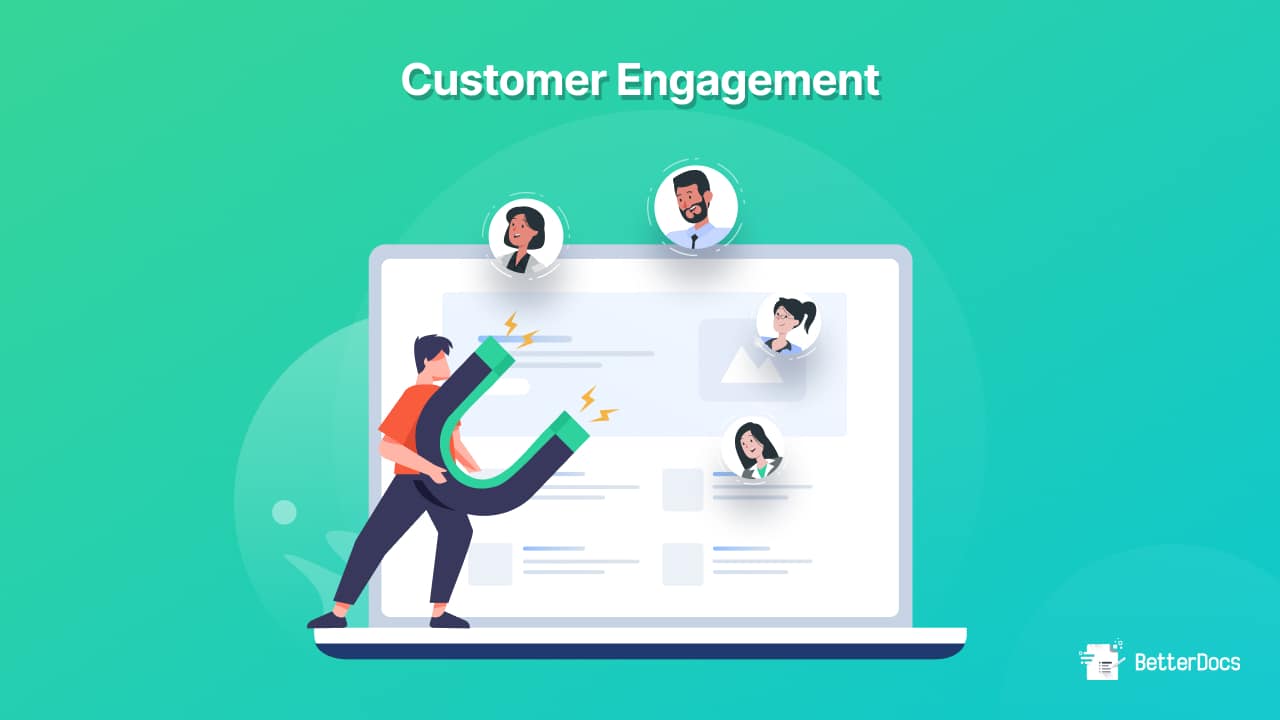
Incorporating live chat features can significantly boost user engagement. Real-time support and chatbots ensure customers receive timely and effective assistance.
Credit: betterdocs.co
Gamification Techniques
Gamification techniques are powerful tools to boost user engagement. They use game-like elements in non-game contexts. This makes the user experience more enjoyable and interactive. Let’s explore some key gamification techniques.
Reward Systems
Reward systems are crucial for user engagement. They offer users incentives for completing tasks. These rewards can be points, badges, or virtual goods. Users feel a sense of achievement. This motivates them to continue using the platform.
- Points: Users earn points for specific actions.
- Badges: Visual representations of achievements.
- Virtual Goods: Items users can collect and use.
Reward systems can be tailored to different user preferences. This makes the experience personalized and engaging.
Leaderboards And Challenges
Leaderboards and challenges create a sense of competition. Users can see their progress compared to others. This drives them to improve and stay active.
Leaderboards rank users based on their achievements. This encourages users to climb higher. Challenges offer users specific goals to achieve. Completing these goals gives them rewards and recognition.
| Feature | Description |
|---|---|
| Leaderboards | Show user rankings based on performance. |
| Challenges | Set specific goals for users to achieve. |
Combining leaderboards and challenges keeps users engaged. They feel motivated to participate and excel.
Social Proof Elements
Social proof elements are key to building trust with your audience. They show that others have used and benefited from your product or service. This helps to create credibility and encourages new users to engage. Let’s dive into some effective social proof elements.
User Reviews
User reviews are powerful. They provide honest feedback from real users. This helps potential customers understand the value of your product. Displaying user reviews on your website can boost your credibility.
Here are some tips for showcasing user reviews:
- Use a mix of positive and constructive reviews.
- Highlight reviews that mention specific features.
- Include user photos for authenticity.
Remember, real feedback can greatly influence purchasing decisions.
Testimonials And Case Studies
Testimonials and case studies offer detailed insights. They show how your product has solved problems for others. This helps potential users see the benefits they can expect.
Follow these best practices for testimonials and case studies:
- Use quotes from happy customers.
- Share success stories with measurable results.
- Include detailed descriptions of how your product helped.
These elements can provide a deeper understanding of your product’s value.
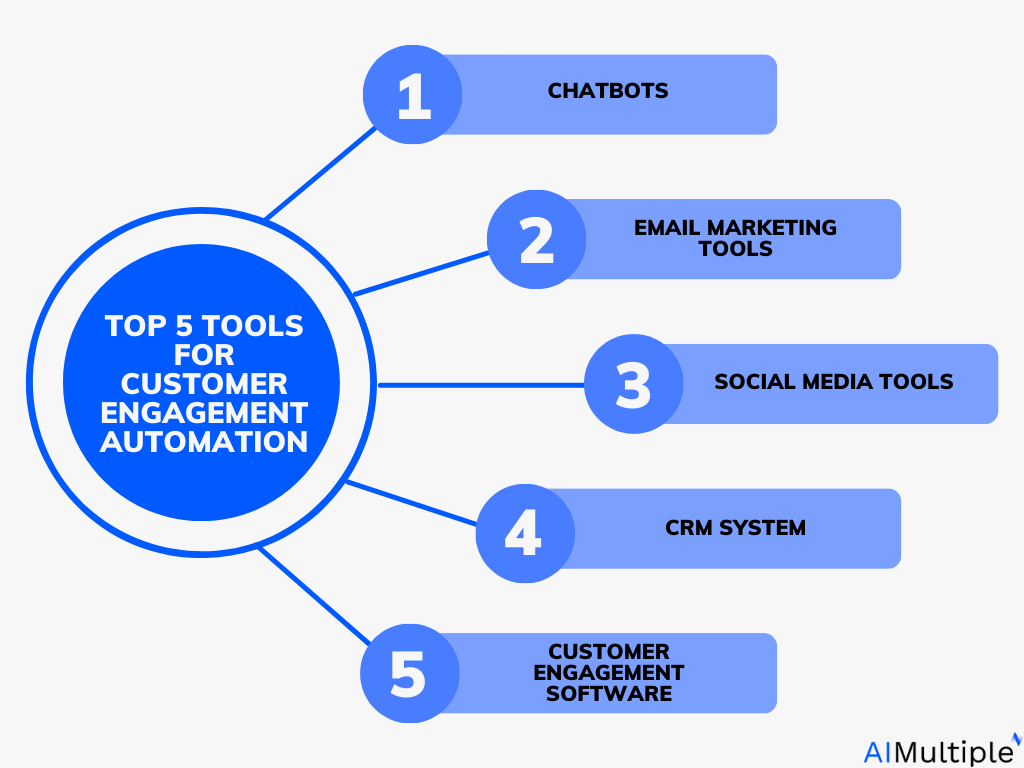
Incorporating social proof elements can enhance user engagement. They build trust and show the effectiveness of your product. Start using these elements to boost your credibility today.
Credit: research.aimultiple.com
Personalized User Experiences
Personalized user experiences are essential for increasing user engagement. They create unique interactions that cater to individual preferences. By using data, businesses can tailor content and recommendations. This helps users feel valued and understood.
Dynamic Content
Dynamic content changes based on user behavior and preferences. It adapts in real-time to provide relevant information. This keeps users engaged and interested in the content. Websites using dynamic content see higher user retention rates.
Here are some examples of dynamic content:
- Personalized greetings
- Location-based recommendations
- Content based on past interactions
User-specific Recommendations
User-specific recommendations improve user experience by suggesting relevant products or content. This can be based on past behavior, preferences, or demographics. These recommendations can increase user satisfaction and loyalty.
Benefits of user-specific recommendations:
- Increases user engagement
- Boosts conversion rates
- Enhances user satisfaction
A table showing examples of user-specific recommendations:
| Type | Example |
|---|---|
| Product Recommendations | Suggested products based on browsing history |
| Content Recommendations | Articles based on reading preferences |
| Service Recommendations | Services based on user location |
Using personalized user experiences can transform how users interact with your platform. It makes them feel valued and understood. This leads to increased engagement and satisfaction.
Email And Push Notifications
In today’s digital age, user engagement tools are essential for businesses. Two prominent tools in this area are email campaigns and push notifications. They help maintain a connection with users and drive engagement. Both tools have distinct advantages and, when used effectively, can significantly enhance user interaction.
Engaging Email Campaigns
Email campaigns remain a powerful tool for engaging users. They allow businesses to reach users directly in their inbox. Crafting engaging email campaigns requires a blend of creativity and strategy. Here are a few tips:
- Personalization: Use the user’s name and personalize the content.
- Compelling Subject Lines: Make your subject lines interesting and relevant.
- Clear Call to Action: Ensure each email has a clear, specific action for the user.
Consider this example:
| Element | Example |
|---|---|
| Subject Line | Don’t Miss Our Exclusive Offer! |
| Personalization | Hi [User’s Name], |
| Call to Action | Click here to claim your discount! |
A well-crafted email can lead to higher open rates and better engagement.
Effective Push Notifications
Push notifications are another vital tool for user engagement. They deliver real-time updates to users on their devices. To make push notifications effective, consider these points:
- Timeliness: Send notifications at the right time for your audience.
- Relevance: Ensure the content is relevant to the user’s interests.
- Clear Message: Keep the message short and to the point.
Here’s a sample format:
{
  "title": "New Blog Post Alert!",
  "message": "Check out our latest article on user engagement tools.",
  "url": "https://yourwebsite.com/new-blog-post"
}
Effective push notifications can lead to quick user actions and higher retention rates.
Analytics And Feedback Tools
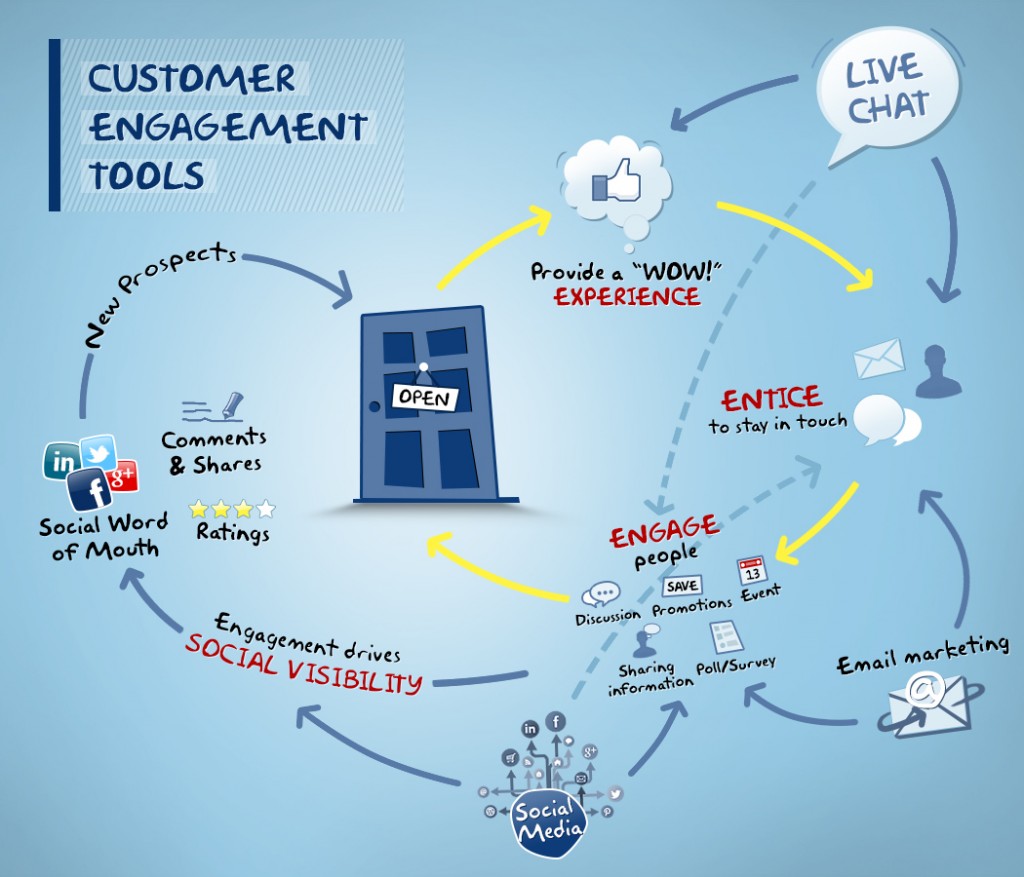
In today’s digital world, understanding user engagement is crucial for website success. Analytics and Feedback Tools help you gather valuable insights about your users. These tools provide essential data to improve your site’s performance and user experience.
User Behavior Analytics
User Behavior Analytics tools track how users interact with your website. They help you understand user actions, time spent on pages, and navigation paths. This data is crucial for identifying popular content and areas needing improvement.
- Track page views and session durations
- Analyze click patterns and scroll depth
- Identify exit points and bounce rates
Popular user behavior analytics tools include Google Analytics, Hotjar, and Crazy Egg. These tools offer detailed reports and visualizations to understand user behavior better.
Feedback Forms And Surveys
Feedback Forms and Surveys allow you to gather direct user feedback. They help you understand user opinions, preferences, and pain points. This information is valuable for making data-driven decisions and improving user satisfaction.
| Tool | Features |
|---|---|
| SurveyMonkey | Customizable surveys, real-time results |
| Typeform | Interactive forms, easy-to-use interface |
| Google Forms | Free, integrates with Google Drive |
Using these tools, you can create targeted surveys and feedback forms. This helps gather specific insights and improve your website based on user needs.
Credit: www.providesupport.com
Frequently Asked Questions
What Are User Engagement Tools?
User engagement tools are software applications designed to boost user interaction. They help in maintaining user interest and improving retention rates.
Why Are User Engagement Tools Important?
User engagement tools are crucial for businesses. They enhance customer experience, increase retention, and drive revenue growth.
How Do User Engagement Tools Work?
User engagement tools analyze user behavior. They provide insights and strategies to improve user interaction and satisfaction.
What Features Should User Engagement Tools Have?
Effective user engagement tools should include analytics, personalization, and automation features. These help in understanding and retaining users.
Conclusion
User engagement tools are essential for building strong connections. These tools help improve interaction and satisfaction. They provide valuable insights into user behavior. Easy-to-use tools can boost engagement significantly. Choosing the right tools makes a big difference. It ensures your audience stays engaged and happy.
Explore different options and find what works best. Your efforts will lead to loyal users and better results. Keep user needs in mind and stay updated with new tools. Happy engaging!