

Understanding human behavior is key to improving productivity and satisfaction. Behavior analysis tools help in this journey.
Behavior analysis tools are essential for businesses and educators. They provide insights into how individuals interact within various environments. These tools can track and analyze behavior patterns, offering valuable data to guide decisions. Whether used in the workplace or in educational settings, these tools can help identify areas for improvement.
By understanding these patterns, one can implement changes that lead to better outcomes. From increasing employee engagement to enhancing student performance, behavior analysis tools are versatile and impactful. Dive into the world of behavior analysis tools and discover how they can benefit you.
Introduction To Behavior Analysis Tools
Behavior analysis tools are essential for understanding user actions on websites. They help businesses improve user experience and increase conversion rates. These tools provide valuable insights into how users interact with different elements of a site.
Importance Of Behavior Analysis
Understanding user behavior is crucial for any online business. It helps identify what works and what doesn’t on a website. This understanding can lead to improved site design and better user engagement.
Behavior analysis tools allow businesses to track user actions like clicks, scrolls, and navigation paths. This data can highlight areas of a site that may need optimization.
By leveraging behavior analysis, companies can make data-driven decisions. These decisions can enhance user satisfaction and drive business growth.
Key Objectives
The main objectives of using behavior analysis tools include:
- Improving User Experience: Identifying and fixing usability issues.
- Increasing Conversion Rates: Understanding and optimizing user journeys.
- Identifying Pain Points: Pinpointing areas where users struggle.
- Enhancing Content Strategy: Learning which content engages users the most.
- Boosting Engagement: Analyzing user interaction to foster better engagement.
Behavior analysis tools can include heatmaps, session recordings, and user feedback. These tools offer a comprehensive view of user interactions.
With this data, businesses can create more effective marketing strategies. They can also design better user interfaces and improve overall site performance.
| Tool | Function |
|---|---|
| Heatmaps | Visualize user clicks, taps, and scrolling behavior. |
| Session Recordings | Record and replay user sessions to see their actions. |
| User Feedback | Gather direct input from users about their experience. |
Implementing these tools can lead to significant improvements. They help businesses understand and cater to their audience better.

Credit: www.zenarmor.com
Types Of Behavior Analysis Tools
Understanding behavior is key to improving business performance and customer satisfaction. Different types of behavior analysis tools can help you achieve this. These tools can be categorized into two main types: Quantitative Tools and Qualitative Tools.
Quantitative Tools
Quantitative tools use numerical data to analyze behavior. These tools provide measurable and objective insights. They are essential for identifying patterns and trends. Here are some common quantitative tools:
- Google Analytics: Tracks website traffic and user behavior.
- Heatmaps: Visual representations of where users click on a page.
- Surveys: Collect numerical data on user preferences and behavior.
- A/B Testing: Compares two versions of a page to see which performs better.
Qualitative Tools
Qualitative tools focus on the quality of the data rather than the quantity. These tools provide deeper insights into the reasons behind behavior. They are useful for understanding user experiences and emotions. Here are some common qualitative tools:
- User Interviews: One-on-one discussions with users to gather detailed feedback.
- Focus Groups: Group discussions to understand user attitudes and opinions.
- Usability Testing: Observing users as they interact with a product to identify usability issues.
- Customer Feedback: Collecting and analyzing comments and reviews from users.
Features To Look For
Behavior analysis tools are essential for understanding user interactions. They help you optimize user experience and improve conversions. But choosing the right tool can be overwhelming. Here are the features to look for in behavior analysis tools.
Data Collection
Accurate data collection is the first step. Look for tools that can track various user interactions. These include clicks, scrolls, and form submissions. The tool should support multiple data sources. This ensures comprehensive analysis.
- Click Tracking: Monitors where users click on your site.
- Heatmaps: Visual representation of user activity.
- Session Recordings: Replay user sessions for detailed insights.
- Form Analytics: Analyzes form performance and user behavior.
Good data collection tools provide these features. This helps you understand user behavior better.
Real-time Analysis
Real-time analysis is crucial for immediate insights. It allows you to see user actions as they happen. This helps you quickly identify issues and opportunities.
- Live Session Playback: Watch user sessions in real-time.
- Instant Alerts: Get notified of significant user actions or errors.
- Dynamic Heatmaps: View heatmaps updating in real-time.
Tools with real-time analysis features are valuable. They provide immediate feedback and quick action.
In summary, choose behavior analysis tools with robust data collection and real-time analysis. These features will help you understand user behavior and improve your site’s performance.
Popular Behavior Analysis Tools
Understanding user behavior is crucial for any business. Behavior analysis tools help you gain insights into how users interact with your website or app. With this information, you can make informed decisions to improve user experience and increase conversions. Here are some popular behavior analysis tools that can help you achieve these goals.
Google Analytics
Google Analytics is one of the most widely used behavior analysis tools. It offers a range of features to track and analyze user behavior on your website.
- Real-Time Reporting: See current user activity on your site.
- Audience Insights: Understand user demographics and interests.
- Behavior Flow: Visualize the path users take on your site.
- Conversion Tracking: Measure the success of your goals and campaigns.
Google Analytics integrates well with other Google services, making it a versatile choice for many businesses.
Mixpanel
Mixpanel is another powerful tool for analyzing user behavior, especially for mobile and web applications. It focuses on event-based tracking, giving you detailed insights into user actions.
- Event Tracking: Track specific user actions like clicks and form submissions.
- Funnel Analysis: Identify where users drop off in the conversion process.
- Retention Reports: Measure how well you retain users over time.
- Segmentation: Break down data by user properties for deeper insights.
Mixpanel is known for its user-friendly interface and robust analytics capabilities.
Implementing Behavior Analysis
Implementing behavior analysis tools can transform how businesses understand and interact with their customers. These tools offer valuable insights into user behavior, allowing for more personalized and effective strategies. By analyzing patterns and trends, businesses can make informed decisions to improve user experience and drive growth.
Integration With Existing Systems
Integrating behavior analysis tools with existing systems is crucial for seamless operation. These tools need to work well with your current CRM, CMS, and other platforms. This ensures data is synchronized across all channels, providing a comprehensive view of customer interactions.
Here are a few key points to consider:
- Check for compatibility with your current software.
- Ensure data is easily transferable between systems.
- Look for tools that offer API integration.
Seamless integration minimizes disruptions and maximizes the benefits of behavior analysis.
Training And Support
Proper training and support are essential for leveraging behavior analysis tools effectively. Users must understand how to interpret data and apply insights. Comprehensive training programs should be provided to all relevant team members.
Consider these training aspects:
| Training Type | Details |
|---|---|
| Initial Training | Basic understanding of the tool and its features. |
| Advanced Training | In-depth analysis techniques and advanced features. |
| Ongoing Support | Regular updates and access to support resources. |
Providing adequate support ensures that the team can use the tools to their full potential.

Credit: www.houseware.io
Benefits Of Using Behavior Analysis Tools
Behavior analysis tools offer valuable insights by analyzing user interactions and behaviors. These tools provide a wealth of benefits, helping businesses make better decisions and improve customer experiences.
Improved Decision Making
Behavior analysis tools gather data on user actions. This helps businesses understand what works and what doesn’t. With this information, companies can make informed choices.
For example, if a particular webpage has a high bounce rate, businesses can investigate why users are leaving. They can then make changes to reduce this rate. This leads to better website performance.
Additionally, these tools help in tracking conversion rates. By understanding what drives conversions, businesses can optimize their strategies. This results in increased sales and improved ROI.
Enhanced Customer Experience
Understanding customer behavior is key to providing a better experience. Behavior analysis tools help in identifying user preferences and pain points. This allows businesses to tailor their services to meet customer needs.
For instance, if users frequently abandon their shopping carts, the tool can highlight the issue. Businesses can then address the problem, making the checkout process smoother.
These tools also help in personalizing the customer journey. By analyzing user data, businesses can offer personalized recommendations. This makes customers feel valued and improves their overall experience.
Challenges And Solutions
Behavior analysis tools are essential for understanding user behavior and improving user experiences. Yet, they come with several challenges that need careful consideration. Let’s explore the common challenges and their solutions.
Data Privacy Concerns
One of the major challenges is data privacy concerns. Users are becoming more aware of their data rights. They demand transparency and security. Ensuring data privacy is crucial for building trust with users.
To address this challenge, consider these solutions:
- Use data encryption to protect user information.
- Implement strict access controls to limit who can see data.
- Adopt privacy policies that comply with regulations like GDPR.
- Offer users opt-in and opt-out choices for data collection.
Interpreting Complex Data
Another significant challenge is interpreting complex data. Behavior analysis tools generate vast amounts of data. Making sense of this data can be overwhelming.
Here are some effective solutions:
- Use data visualization tools to create clear charts and graphs.
- Employ machine learning algorithms to identify patterns and trends.
- Break down data into manageable segments for deeper analysis.
- Collaborate with data analysts to gain expert insights.
By addressing these challenges with practical solutions, you can make the most of behavior analysis tools. This will help you improve your user experience and drive better results.
Future Trends In Behavior Analysis
The field of behavior analysis is evolving rapidly. Technology plays a significant role in these advancements. Emerging trends promise to make behavior analysis more effective and precise. This section explores two key trends: AI and machine learning, and predictive analytics.
Ai And Machine Learning
Artificial Intelligence (AI) and Machine Learning (ML) are transforming behavior analysis. These technologies help in understanding complex patterns in behavior. They analyze large datasets quickly and efficiently.
AI and ML can identify subtle patterns that humans might miss. This leads to better insights and more accurate predictions. For instance, AI can help in detecting early signs of behavioral issues in students. This allows for timely intervention.
Here are some benefits of using AI and ML in behavior analysis:
- Improved accuracy in data interpretation
- Faster processing of large datasets
- Ability to detect hidden patterns and trends
Predictive Analytics
Predictive analytics is another emerging trend. It uses historical data to predict future behavior. This helps in making proactive decisions.
Predictive analytics can be used in various fields. For instance, in marketing, it helps in predicting customer behavior. This leads to better-targeted marketing campaigns. In healthcare, it can predict patient behavior, improving treatment plans.
Key advantages of predictive analytics include:
- Better decision-making
- Increased efficiency
- Enhanced ability to foresee future trends
Predictive analytics tools use algorithms to analyze data. These tools provide valuable insights that can drive strategic decisions.
In summary, the future of behavior analysis looks promising. AI, ML, and predictive analytics are at the forefront of this transformation. They offer powerful tools for understanding and predicting behavior. This leads to better outcomes in various domains.
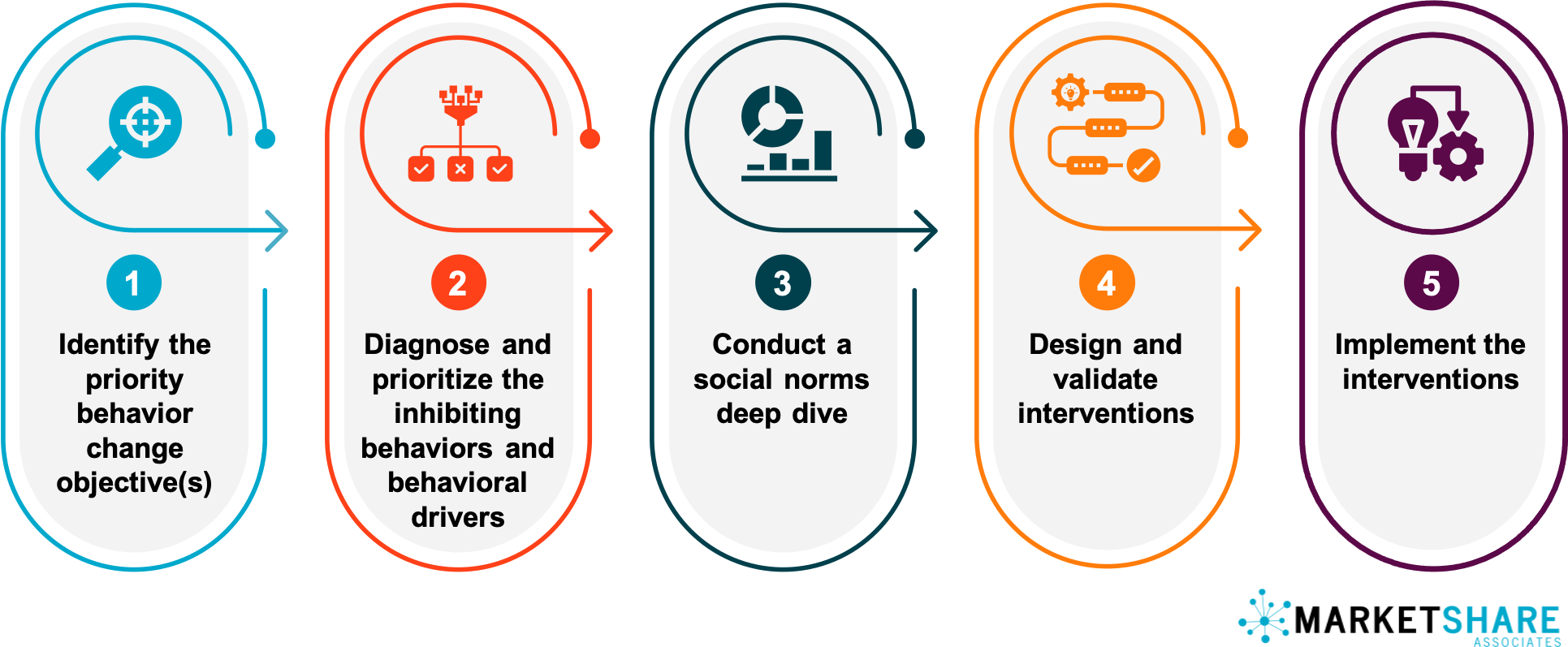
Credit: marketshareassociates.com
Frequently Asked Questions
What Are Behavior Analysis Tools?
Behavior analysis tools are software applications. They track and interpret user behavior on digital platforms. These insights help improve user experience, marketing strategies, and overall business performance.
Why Use Behavior Analysis Tools?
Behavior analysis tools provide insights into user interactions. They help identify patterns and preferences. This data is crucial for optimizing user experience and boosting conversion rates.
How Do Behavior Analysis Tools Work?
Behavior analysis tools collect data from user interactions. They use algorithms to analyze this data. The results help businesses understand user behavior and make data-driven decisions.
What Are The Benefits Of Behavior Analysis Tools?
Behavior analysis tools offer several benefits. They enhance user experience, improve marketing strategies, and increase conversion rates. They also provide valuable insights into user behavior.
Conclusion
Behavior analysis tools are essential for understanding user behavior. They provide valuable insights. Businesses can make better decisions with these tools. They help improve user experience. They also boost website performance. Investing in these tools brings long-term benefits. Choose the right tool for your needs.
Start analyzing today and see the results. Better insights lead to better strategies. This makes your business grow. Thank you for reading!