

In the digital world, conversions are key. Boosting conversions means more sales and leads.
Conversion optimization platforms help achieve this goal. Conversion optimization platforms are tools designed to improve website performance. They analyze user behavior and suggest changes to increase conversions. These platforms use data and testing to find what works best. The goal is simple: turn visitors into customers.
Businesses of all sizes use these tools. They help make informed decisions and improve the user experience. In this blog, we will explore what these platforms offer. Discover how they can benefit your business and drive success. Let’s dive into the world of conversion optimization platforms.
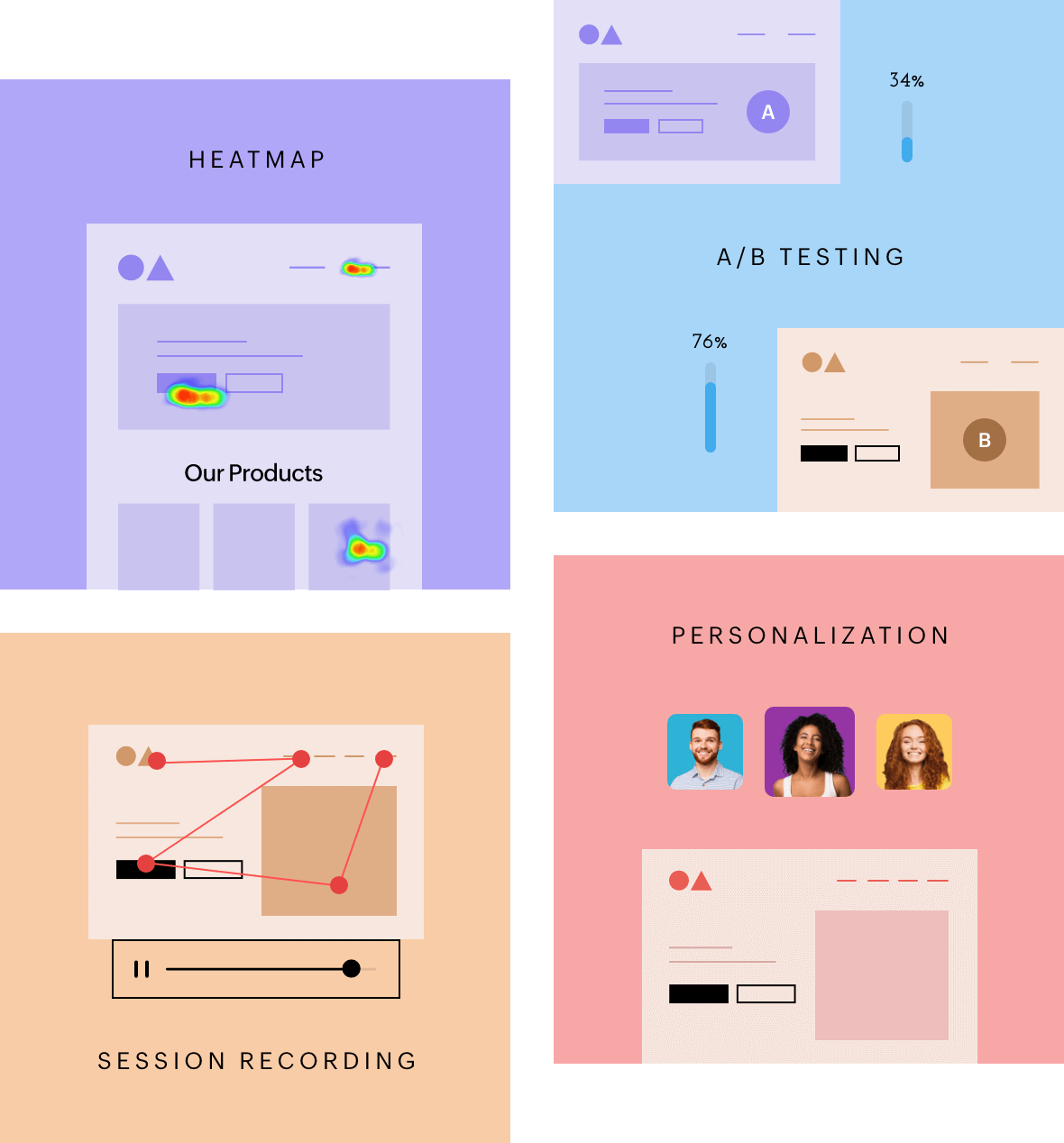
Credit: www.zoho.com
Introduction To Conversion Optimization
Conversion Optimization is the process of improving the percentage of website visitors who take a desired action. This desired action can be anything from making a purchase to signing up for a newsletter. Conversion Optimization Platforms provide tools and methodologies to enhance user experience and increase conversion rates. Understanding its importance and basic concepts is crucial for digital marketers.
Importance In Digital Marketing
Conversion Optimization is vital in digital marketing. High conversion rates mean more revenue and better ROI. It helps in understanding user behavior and preferences. This understanding leads to more effective marketing strategies. Here are some reasons why Conversion Optimization matters:
- Increased Revenue: Higher conversion rates lead to more sales.
- Better User Experience: Improved website usability keeps users engaged.
- Cost Efficiency: Maximizing the value from existing traffic reduces acquisition costs.
- Data-Driven Decisions: Optimization relies on data, leading to informed strategies.
Basic Concepts
To succeed in Conversion Optimization, understanding its basic concepts is essential. Here are some key concepts:
- Conversion Rate: The percentage of visitors who complete the desired action.
- A/B Testing: Comparing two versions of a webpage to see which one performs better.
- User Experience (UX): The overall experience of a user on a website, including ease of use and satisfaction.
- Call to Action (CTA): A prompt that encourages users to take a specific action, like “Buy Now” or “Sign Up”.
- Landing Pages: Specific pages designed to convert visitors into leads or customers.
These concepts form the foundation of effective Conversion Optimization strategies. Incorporating them can significantly improve your digital marketing efforts.
Key Features Of Optimization Platforms
Conversion Optimization Platforms offer businesses the tools to enhance their website’s performance. These platforms are equipped with various features that help understand user behavior and improve conversion rates. Two key features of these platforms are A/B Testing and Heatmaps.
A/b Testing
A/B Testing allows businesses to compare two versions of a webpage. This helps determine which version performs better. By testing elements like headlines, images, and calls-to-action, businesses can make data-driven decisions.
Key benefits of A/B Testing:
- Improves user engagement
- Increases conversion rates
- Reduces bounce rates
Here’s an example of how A/B Testing works:
| Version | Change | Result |
|---|---|---|
| A | Original | 5% conversion |
| B | New headline | 8% conversion |
Heatmaps
Heatmaps provide a visual representation of user interactions on a webpage. They show where users click, scroll, and spend the most time.
Types of Heatmaps:
- Click Heatmaps: Show areas with most clicks
- Scroll Heatmaps: Indicate how far users scroll
- Movement Heatmaps: Track mouse movements
Benefits of using Heatmaps:
- Identify popular elements
- Understand user behavior
- Optimize webpage layout
Heatmaps help businesses make informed decisions to enhance the user experience.
Top Conversion Optimization Tools
Choosing the right conversion optimization platform can make a huge difference in your business. These tools help you understand user behavior, test changes, and improve your website’s effectiveness. Below, we dive into some of the most popular platforms available and compare their features.
Popular Platforms
Several tools stand out for their effectiveness and ease of use. Here are some of the most popular conversion optimization platforms:
- Optimizely: Known for its robust A/B testing capabilities.
- VWO (Visual Website Optimizer): Offers comprehensive testing and targeting features.
- Google Optimize: A free tool that integrates well with Google Analytics.
- Crazy Egg: Provides heatmaps and user session recordings.
- Unbounce: Specializes in landing page optimization.
Comparing Features
Different tools offer various features to meet specific needs. Here’s a comparison of some key features:
| Tool | A/B Testing | Heatmaps | Personalization | Price |
|---|---|---|---|---|
| Optimizely | Yes | No | Yes | High |
| VWO | Yes | Yes | Yes | Medium |
| Google Optimize | Yes | No | Yes | Free/Low |
| Crazy Egg | No | Yes | No | Low |
| Unbounce | Yes | No | Yes | Medium |
Each platform offers unique strengths. Optimizely excels in A/B testing and personalization. VWO combines A/B testing with heatmaps and personalization. Google Optimize integrates seamlessly with Google Analytics and offers a free option. Crazy Egg is perfect for visual insights with heatmaps. Unbounce is ideal for landing page optimization.
Integrating Platforms With Your Website
Integrating conversion optimization platforms with your website can boost your business. It helps track user behavior and improve conversion rates. This section explains the integration process, common challenges, and how to overcome them.
Setup Process
The setup process involves a few key steps. Follow these to integrate the platform:
- Choose the Right Platform: Select a platform that fits your needs.
- Create an Account: Register and set up your account on the platform.
- Get the Integration Code: The platform provides a code snippet. Copy this code.
- Insert the Code: Add the code to your website. Usually, it goes in the header or footer.
- Configure Settings: Adjust settings to match your goals. This includes defining conversion actions.
- Test the Integration: Ensure everything works as expected. Check if data is being tracked correctly.
Common Challenges
Integrating platforms can sometimes be tricky. Here are some common challenges and tips to handle them:
| Challenge | Solution |
|---|---|
| Technical Issues: | Ensure the code is placed correctly. Use developer support if needed. |
| Data Accuracy: | Regularly check the data. Use test transactions to verify tracking. |
| Compatibility: | Make sure the platform is compatible with your website CMS. |
| User Permissions: | Ensure team members have the right access levels. Use role-based permissions. |
Remember, integrating platforms is a continuous process. Regular updates and checks help maintain efficiency.
Best Practices For Conversion Optimization
Conversion optimization platforms help businesses increase their conversion rates. They use data and testing to improve website performance. Understanding best practices for conversion optimization can lead to better results and higher revenue.
Effective Strategies
Effective strategies are essential for successful conversion optimization. These strategies focus on understanding user behavior and improving user experience. Here are some key strategies:
- Data Analysis: Analyze user data to identify patterns and trends.
- A/B Testing: Test different versions of a page to see which performs better.
- Personalization: Create personalized experiences for users based on their behavior.
- Improved Navigation: Ensure the website is easy to navigate and user-friendly.
- Clear Call-to-Action: Use clear and compelling calls-to-action to guide users.
Case Studies
Case studies show how conversion optimization platforms have helped businesses. They provide real-world examples of success. Below are a few examples:
| Company | Strategy | Result |
|---|---|---|
| Company A | Personalization | Increased conversions by 30% |
| Company B | A/B Testing | Improved user engagement by 25% |
| Company C | Data Analysis | Boosted sales by 20% |
These case studies highlight the importance of using effective strategies. They demonstrate the potential benefits of conversion optimization platforms.

Credit: searchspring.com
Analyzing Data For Better Results
Conversion optimization platforms help in improving website performance. These platforms track user behavior and provide actionable insights. By analyzing data, businesses can improve their conversion rates. The key lies in interpreting metrics and adjusting tactics based on those metrics.
Interpreting Metrics
Metrics provide valuable insights into user behavior. Some important metrics include bounce rate, click-through rate (CTR), and conversion rate. Bounce rate shows the percentage of visitors who leave the site without interaction. A high bounce rate may indicate issues with content or user experience.
Click-through rate (CTR) measures the percentage of users who click on a specific link. A low CTR suggests that your call-to-action (CTA) may not be effective. Conversion rate is the percentage of visitors who complete a desired action. This could be making a purchase, filling out a form, or signing up for a newsletter.
| Metric | Definition | Significance |
|---|---|---|
| Bounce Rate | Percentage of visitors leaving without interaction | Indicates content or UX issues |
| Click-Through Rate (CTR) | Percentage of users clicking on a link | Measures effectiveness of CTA |
| Conversion Rate | Percentage of visitors completing desired action | Shows overall performance |
Adjusting Tactics
After interpreting metrics, it is crucial to adjust tactics. Start by identifying areas that need improvement. If the bounce rate is high, consider revising the website content. Make sure it is engaging and relevant to the target audience. Improve navigation to enhance user experience.
For a low CTR, test different CTAs. Use A/B testing to find the most effective version. Experiment with button colors, text, and placement. Ensure that the CTA stands out and is compelling. If the conversion rate is low, review the checkout process. Simplify it to reduce cart abandonment.
- Revise website content
- Improve navigation
- Test different CTAs
- Review and simplify the checkout process
Regularly monitor metrics and make necessary adjustments. This continuous process helps in achieving better results.
The Role Of User Experience
Conversion Optimization Platforms aim to turn visitors into customers. A key aspect of this is the User Experience (UX). UX affects how users feel about your website or app. A good UX can make users stay longer and engage more.
Improving Ux
Improving UX means making your site easier to use. Here are some tips:
- Fast Loading Times: Users leave slow websites. Aim for under 3 seconds.
- Mobile-Friendly Design: Ensure your site works on all devices.
- Clear Navigation: Make it easy to find information.
- Readable Text: Use large fonts and short paragraphs.
- Engaging Content: Use images and videos to keep interest.
These changes can make a big difference. Users will enjoy their visit more and are more likely to convert.
Impact On Conversion Rates
Improving UX directly impacts conversion rates. Here’s why:
- Trust: A good UX builds trust. Users feel safe and secure.
- Simplicity: Easy navigation helps users find what they need quickly.
- Engagement: Engaging content holds attention. Users stay longer.
- Accessibility: A mobile-friendly site reaches more users.
- Speed: Fast load times prevent user frustration.
Each of these factors can increase your conversion rates. Users are more likely to make a purchase or sign up.
Here is a table to summarize the impact of improving UX:
| UX Improvement | Impact on Conversion Rate |
|---|---|
| Fast Loading Times | Reduces bounce rate |
| Mobile-Friendly Design | Increases mobile conversions |
| Clear Navigation | Improves user satisfaction |
| Readable Text | Enhances readability |
| Engaging Content | Boosts user engagement |
In summary, focusing on UX can lead to better conversion rates. Users will appreciate a seamless, enjoyable experience.
Future Trends In Conversion Optimization
Conversion optimization platforms are evolving rapidly. The future holds exciting trends that will shape how businesses enhance their website performance. These trends focus on improving user experience and increasing conversion rates. Let’s dive into two key trends: AI and Machine Learning, and Personalization.
Ai And Machine Learning
Artificial Intelligence (AI) and Machine Learning are transforming conversion optimization. These technologies analyze massive data sets to identify patterns and predict user behavior.
AI helps in creating smarter algorithms. These algorithms can make real-time decisions to improve conversions. For example, AI can suggest the best layout for a webpage based on user interaction data.
Here are some ways AI and Machine Learning are used:
- A/B Testing: AI can run multiple tests simultaneously, speeding up the process.
- Predictive Analytics: Machine Learning predicts which users are likely to convert.
- Chatbots: AI-driven chatbots provide instant support, enhancing user experience.
These advancements lead to more efficient and effective conversion strategies.
Personalization
Personalization is key to future conversion optimization. Users expect websites to cater to their individual needs and preferences.
Personalization involves tailoring content and offers based on user data. This can include browsing history, past purchases, and demographic information.
Effective personalization techniques include:
- Dynamic Content: Displaying different content to different users based on their behavior.
- Personalized Recommendations: Suggesting products or services that match user preferences.
- Email Marketing: Sending targeted emails with personalized offers.
Personalization enhances user engagement and increases the likelihood of conversion.
In summary, embracing AI, Machine Learning, and Personalization will significantly improve conversion optimization efforts.
Credit: virtuemarketresearch.com
Frequently Asked Questions
What Are Conversion Optimization Platforms?
Conversion optimization platforms are tools that help improve website performance. They analyze user behavior and test different strategies to increase conversions.
How Do Conversion Optimization Platforms Work?
These platforms use data analytics and user feedback. They test various elements like design, content, and calls to action to enhance user experience.
Why Use Conversion Optimization Platforms?
Using these platforms boosts your website’s effectiveness. They help increase sales, sign-ups, or other desired actions by optimizing user experience.
What Features Do Conversion Optimization Platforms Offer?
Features often include A/B testing, heatmaps, and analytics. They provide insights into user behavior and help identify areas for improvement.
Conclusion
Conversion optimization platforms help increase your website’s efficiency and effectiveness. They analyze user behavior to improve engagement and conversions. Businesses can gain insights and implement changes quickly. This helps meet goals and boost performance. Adopting the right platform ensures better user experiences.
It also drives more sales and revenue. So, start exploring these tools today. Your business growth depends on smart optimization choices.