

A/B testing is vital for improving digital marketing strategies. It helps decide what works best for your audience.
Choosing the right A/B testing tool can be tricky. Many options exist, each with unique features. The right tool can save time and boost results. But, picking the wrong one might waste resources. This guide will help you navigate your choices.
Discover key factors to consider when selecting an A/B testing tool. Understand what makes a tool suitable for your specific needs. By the end, you’ll be equipped to make an informed decision. Ready to optimize your testing process? Let’s dive in!
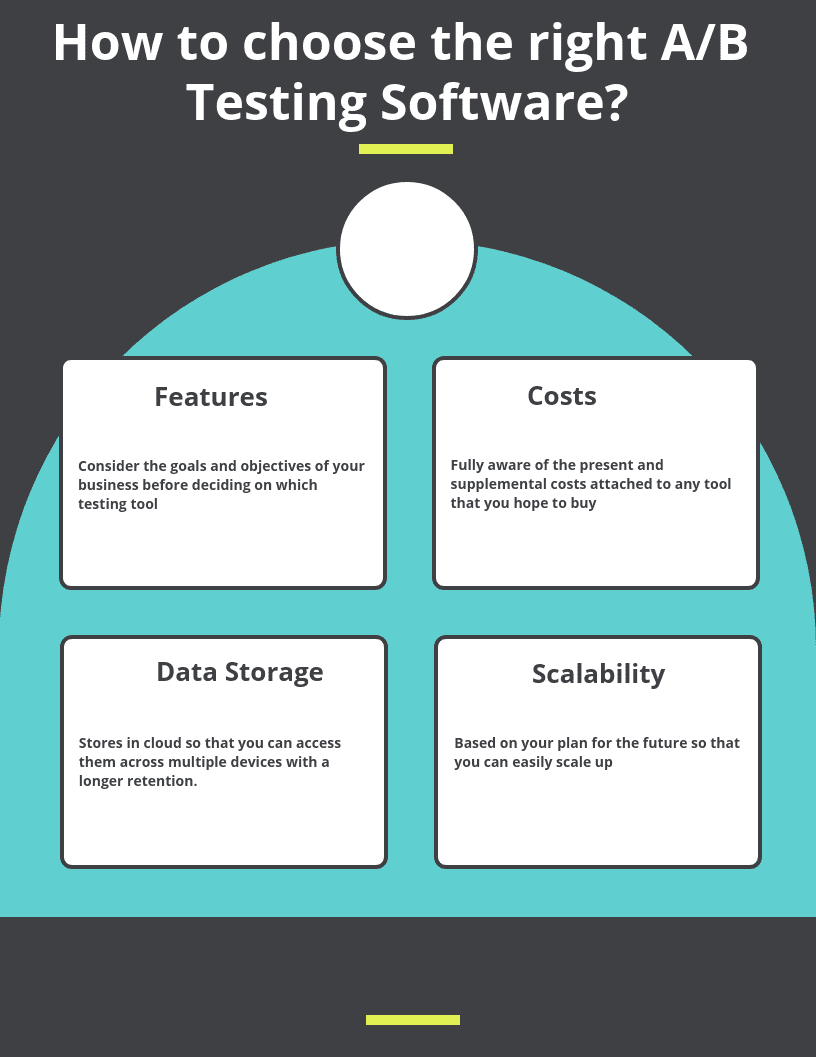
Credit: www.predictiveanalyticstoday.com
Introduction To A/b Testing
A/B testing is a crucial technique in the digital marketing toolkit. It helps businesses make data-driven decisions. By comparing two versions of a webpage or app, A/B testing identifies which performs better. This process can significantly boost user engagement and conversion rates.
What Is A/b Testing?
A/B testing, also known as split testing, involves comparing two variations of the same digital asset. These variations are shown to different segments of users. One group sees version A, and another group sees version B. Metrics such as click-through rates, sign-ups, or sales are then compared. This helps determine which version is more effective.
| Version | Displayed To | Goal |
|---|---|---|
| Version A | 50% of users | Measure performance |
| Version B | 50% of users | Measure performance |
Importance For Conversion Rates
Conversion rates are vital for any online business. A/B testing helps improve these rates by showing which version of a page converts better. Even small changes can lead to significant improvements. For example, changing a call-to-action button’s color or text can boost sign-ups or sales.
- Identify effective strategies
- Enhance user experience
- Boost sales and engagement
In summary, A/B testing is a powerful method. It provides clear insights into user preferences and behaviors. By leveraging these insights, businesses can optimize their digital assets for higher conversion rates.
Key Features Of A/b Testing Tools
Choosing the right A/B testing tool is crucial for optimizing your website’s performance. It can help you understand what works best for your audience. Here’s a look at the key features to consider.
User Interface
The user interface of an A/B testing tool should be easy to navigate. A clean layout helps users set up and analyze tests without confusion. Look for tools with drag-and-drop options. This makes creating variations simple. Also, ensure the interface supports different devices. This allows you to test how changes look on mobile and desktop.
Integration Capabilities
Integration capabilities are essential for a seamless workflow. The tool should integrate with your existing platforms. This includes CMS, CRM, and analytics tools. Check if it supports popular platforms like WordPress, Shopify, and Google Analytics. Good integration saves time and ensures data consistency.
| Platform | Integration |
|---|---|
| WordPress | Yes |
| Shopify | Yes |
| Google Analytics | Yes |
Real-time Reporting
Real-time reporting helps you make quick decisions. You can see results as they come in. This feature is crucial for understanding user behavior. Look for tools that offer clear visualizations. Graphs and charts make data easier to digest. Also, check if the tool provides detailed reports. This helps you dive deeper into the metrics that matter.
- Live data updates
- Visual reports
- In-depth analysis
Popular A/b Testing Tools
Choosing the right A/B testing tool can greatly impact your website’s performance. There are many options available, each with its unique features. Here are some popular A/B testing tools that can help you make data-driven decisions.
Google Optimize
Google Optimize is a free tool that integrates seamlessly with Google Analytics. It allows you to test changes on your website and see how they affect user behavior. You can create and run experiments, making it easier to understand what works best for your audience.
- Easy integration with Google Analytics
- User-friendly interface
- Supports multivariate testing
Optimizely
Optimizely is a powerful A/B testing platform known for its advanced features. It offers a visual editor, making it easy to create and run experiments without coding. Optimizely also supports personalization and feature flagging.
| Feature | Details |
|---|---|
| Visual Editor | Allows editing without coding |
| Personalization | Delivers tailored experiences |
| Feature Flagging | Control feature releases |
Vwo
VWO (Visual Website Optimizer) is an all-in-one platform for A/B testing, personalization, and more. It offers a drag-and-drop editor, making it easy to set up tests. VWO also provides heatmaps and session recordings to understand user behavior better.
- Drag-and-drop editor
- Heatmaps
- Session recordings
- Behavioral targeting

Credit: vwo.com
Criteria For Choosing The Right Tool
Choosing the right A/B testing tool can be challenging. Many tools are available, each with unique features. To make an informed decision, consider several criteria. These criteria will help you find the best tool for your needs.
Budget Considerations
Budget is a key factor when selecting an A/B testing tool. Some tools offer free plans, while others require a subscription. Assess your budget and look for tools that fit within it. Remember, the most expensive option is not always the best. Look for a tool that offers good value for its price.
| Tool | Free Plan | Starting Price |
|---|---|---|
| Tool A | Yes | $50/month |
| Tool B | No | $30/month |
| Tool C | Yes | $100/month |
Ease Of Use
Ease of use is another important criterion. The tool should have a user-friendly interface. You should be able to set up and run tests without much hassle. Check if the tool provides tutorials or customer support. This can help you get started quickly and efficiently.
- Simple setup process
- Clear and intuitive dashboard
- Access to tutorials and support
Scalability
Scalability is crucial for growing businesses. The tool should be able to handle increasing traffic and data. It should offer features that support advanced testing as your needs evolve. Ensure the tool can grow with your business and provide long-term value.
- Supports large data volumes
- Offers advanced testing options
- Provides integration with other tools
Choosing the right A/B testing tool involves evaluating your budget, ease of use, and scalability. Consider these criteria to find a tool that meets your needs and supports your growth.
Case Studies Of Successful A/b Testing
Choosing the right A/B testing tool is crucial for your business. It helps you understand what works best for your audience. Let’s explore some successful case studies. These examples will show you the power of A/B testing.
E-commerce Success Stories
Many e-commerce businesses have seen great results with A/B testing. Here are a few success stories:
| Company | Test | Result |
|---|---|---|
| Amazon | Call-to-Action (CTA) Button Color | Increased Click-Through Rates by 20% |
| eBay | Product Page Layout | Boosted Sales by 15% |
| Zappos | Product Descriptions | Reduced Bounce Rate by 10% |
Saas Industry Examples
SaaS companies also benefit from A/B testing. They use it to improve user experience and conversions. Here are some examples:
- Dropbox: Tested homepage design changes. Resulted in a 12% increase in sign-ups.
- Slack: Experimented with onboarding messages. Achieved a 30% higher engagement rate.
- HubSpot: Modified email subject lines. Improved open rates by 18%.
These case studies show the value of A/B testing. By choosing the right tool, you can achieve similar success.
Common Pitfalls To Avoid
Choosing the right A/B testing tool can be tricky. There are common pitfalls you should avoid to ensure accurate and useful results. These pitfalls can lead to misleading data and poor decision-making.
Ignoring Sample Size
Sample size is crucial for accurate A/B test results. A small sample size can lead to incorrect conclusions. It is important to calculate the required sample size before starting a test. Use online calculators or consult with a statistician.
| Sample Size | Risk |
|---|---|
| Too Small | Misleading results |
| Too Large | Unnecessary delay |
Always validate your sample size to ensure reliable data. This helps in making informed decisions based on your test results.
Overlooking User Experience
User experience is often overlooked in A/B testing. Changes might improve metrics but degrade user experience. This can lead to higher bounce rates and lower engagement.
- Consider user feedback.
- Monitor changes in user behavior.
- Ensure the new variant improves overall satisfaction.
Balance metric improvements with a positive user experience. This ensures long-term benefits from your A/B tests.
Implementing Your Chosen Tool
Once you’ve selected the right A/B testing tool, the next step is implementing it effectively. This phase is crucial for obtaining accurate and actionable insights. Let’s dive into the key aspects of implementing your chosen tool.
Setting Up Tests
Begin by defining the goals of your test. What do you want to achieve? Increased conversions, higher click-through rates, or improved user engagement?
Next, identify the variables you want to test. These could be headlines, call-to-action buttons, or page layouts.
Most tools offer user-friendly interfaces that guide you through the setup process. Ensure that you segment your audience properly to get reliable results.
- Define your hypothesis.
- Select your control and variation groups.
- Configure the test duration.
Monitoring And Analysis
After setting up your tests, the next step is to monitor their progress. Regularly check the data to ensure the test is running smoothly.
Use your tool’s dashboard for real-time insights. Look for trends and patterns that could indicate the performance of different variations.
Once the test is complete, analyze the results. Most A/B testing tools offer comprehensive reports that break down the data.
- Compare the performance metrics.
- Identify the winning variation.
- Implement the changes on your website.
By following these steps, you can make data-driven decisions that enhance your website’s performance.

Credit: www.linkedin.com
Future Trends In A/b Testing
The world of A/B testing is rapidly evolving. Keeping up with the latest trends can help you stay ahead. Let’s explore some of the future trends in A/B testing that are shaping the industry.
Ai And Machine Learning
Artificial Intelligence (AI) and Machine Learning (ML) are becoming integral parts of A/B testing. These technologies help analyze vast amounts of data quickly. AI can predict the success of tests before they even run. ML algorithms can identify patterns and insights that humans might miss. This can lead to more effective and efficient tests.
AI can also automate the testing process. This allows for continuous optimization without manual intervention. This means more tests can be run in less time. It also ensures that the best-performing variations are always in place.
Personalization
Another trend is the focus on personalization. Personalized experiences can greatly improve user engagement and conversion rates. A/B testing tools now offer features to test personalized content. This means you can create different variations for different user segments.
For example, you can show different content to new visitors and returning customers. This level of personalization can make your tests more relevant and impactful. It also ensures that you are meeting the specific needs of different users.
| Trend | Benefit |
|---|---|
| AI and Machine Learning | Faster data analysis, better insights, and automation |
| Personalization | Improved user engagement and higher conversion rates |
By staying updated with these trends, you can choose the right A/B testing tool. This will help you achieve better results and improve your overall strategy.
Frequently Asked Questions
What Is A/b Testing?
A/B testing is a method to compare two versions of a webpage or app. It helps determine which version performs better. This technique is essential for optimizing user experience and improving conversion rates.
Why Is Choosing The Right A/b Testing Tool Important?
Choosing the right A/B testing tool ensures accurate results and efficient testing. It helps you make informed decisions. The right tool can save time and resources, enhancing overall performance.
How Do A/b Testing Tools Work?
A/B testing tools split your audience into groups. Each group sees different versions of your webpage or app. The tool then tracks performance and compares results to identify the better version.
What Features Should I Look For In A/b Testing Tools?
Look for ease of use, integration capabilities, and robust analytics. Ensure the tool offers real-time reporting. Compatibility with your existing systems is also crucial for seamless operation.
Conclusion
Choosing the right A/B testing tool is crucial. It impacts your results. Consider your budget and needs. Evaluate the tool’s features. Check user reviews. Opt for ease of use. Prioritize integration with your systems. Test different tools if needed. Make an informed decision.
The right tool helps your business grow. Happy testing!