

Conversion rate optimization (CRO) boosts the percentage of visitors who take desired actions on a website. It’s a crucial aspect of digital marketing, aiming to enhance user experience and increase conversions.
In the competitive online world, businesses strive to convert visitors into customers. CRO involves understanding user behavior, testing strategies, and making data-driven decisions. Effective CRO not only improves sales but also maximizes the return on investment from your marketing efforts.
By focusing on user needs and refining your approach, you can achieve significant growth. This blog post will explore the fundamentals of CRO, providing insights and tips to help you improve your website’s performance. Let’s dive into the world of conversion rate optimization and discover how it can benefit your business.

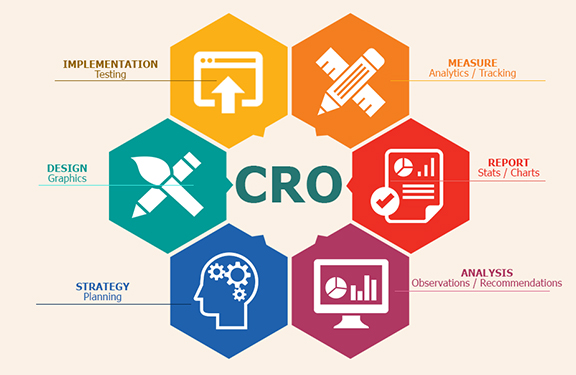
Credit: gustdebacker.com
Introduction To Conversion Rate Optimization
Conversion Rate Optimization (CRO) is the process of improving your website. The goal is to increase the percentage of visitors who complete a desired action. This action could be making a purchase, signing up for a newsletter, or filling out a form. CRO is essential for any business that wants to get the most out of its online presence.
Importance Of Cro
CRO helps you get more value from your existing traffic. You do not need to spend more on attracting new visitors. Instead, you focus on converting the visitors you already have. This is more cost-effective. Higher conversion rates lead to better return on investment (ROI).
CRO also improves the user experience. By understanding what your users want, you can make your site more user-friendly. This can increase customer satisfaction and loyalty.
Basic Principles Of Cro
CRO involves several key principles:
- Data Analysis: Use tools like Google Analytics. Understand where visitors drop off or face issues.
- User Feedback: Collect feedback through surveys or user testing. Know what users think about your site.
- A/B Testing: Test different versions of a webpage. See which one performs better.
- Continuous Improvement: CRO is an ongoing process. Keep testing and refining your strategies.
Here is a simple table to highlight these principles:
| Principle | Description |
|---|---|
| Data Analysis | Use analytics to find problem areas. |
| User Feedback | Gather opinions from users to improve the site. |
| A/B Testing | Test different versions to find the best one. |
| Continuous Improvement | Always look for ways to improve. |
Analyzing Your Current Conversion Rate
Conversion Rate Optimization (CRO) is vital for any online business. To start improving, you need to analyze your current conversion rate. This analysis helps you understand user behavior and identify areas for improvement. Below, we’ll explore tools and methods to help you get started.
Tools For Analysis
To analyze your conversion rate, you need the right tools. Here are some popular options:
- Google Analytics: A free tool that offers detailed insights.
- Hotjar: Provides heatmaps and session recordings.
- Crazy Egg: Offers A/B testing and visual reports.
- Optimizely: A robust platform for experimentation and A/B testing.
These tools provide various features to help you gather data and understand user interactions on your site.
Interpreting Data
Once you have gathered data, the next step is to interpret it. Here’s how:
- Identify Patterns: Look for trends in user behavior.
- Analyze Drop-off Points: Find where users leave your site.
- Check Conversion Funnel: Examine each step of the user journey.
For example, if you notice a high drop-off on a specific page, this indicates a problem area. Similarly, understanding your conversion funnel helps you pinpoint where users are getting stuck.
Utilizing these insights, you can make data-driven decisions to enhance your site’s performance.
| Tool | Key Feature |
|---|---|
| Google Analytics | Detailed insights |
| Hotjar | Heatmaps and session recordings |
| Crazy Egg | A/B testing and visual reports |
| Optimizely | Experimentation and A/B testing |
By using these tools and interpreting your data, you can gain valuable insights. This will help you optimize your site and improve your conversion rate.
Identifying Key Conversion Metrics
Understanding key conversion metrics is crucial for any business. These metrics help you know where your website stands. They guide you in making data-driven decisions. Let’s break down the essential steps involved in identifying key conversion metrics.
Defining Goals
First, you need to define your goals. What do you want to achieve? Common goals include:
- Increasing sales
- Boosting email sign-ups
- Enhancing user engagement
Clearly defining your goals helps you focus. It makes tracking easier. Specific goals lead to better results.
Tracking Performance
Tracking performance involves monitoring various metrics. Some key metrics include:
| Metric | Description |
|---|---|
| Conversion Rate | The percentage of visitors who complete a desired action. |
| Bounce Rate | The percentage of visitors who leave your site after viewing one page. |
| Average Session Duration | The average time a visitor spends on your site. |
| Pages per Session | The average number of pages viewed during a session. |
Using tools like Google Analytics helps track these metrics. Regular monitoring ensures you stay on track. It helps identify areas needing improvement.
Enhancing User Experience
Enhancing user experience (UX) is crucial for improving your website’s conversion rate. A smooth, enjoyable experience encourages visitors to take desired actions. Let’s explore key areas to enhance UX.
Improving Website Navigation
Clear navigation helps users find what they need quickly. Simplify your menu structure. Limit main menu items to 5-7 options. Use descriptive labels. For example:
- Home
- About Us
- Services
- Products
- Contact
Include a search bar. A well-placed search bar improves user experience. Users can find specific content faster. Use breadcrumb trails. Breadcrumbs show users their path through your site. This aids navigation and reduces confusion.
Optimizing Page Load Speed
Fast load times are vital for keeping users engaged. Slow pages lead to higher bounce rates. Here are some tips to improve load speed:
- Compress images. Large images slow down your site. Use image compression tools to reduce file size.
- Minimize HTTP requests. Each element on your page creates a request. Reduce these by limiting the number of elements.
- Enable browser caching. This allows returning visitors to load your site faster. Cached data is stored locally, reducing load times.
- Optimize CSS and JavaScript files. Minify these files to reduce their size. This speeds up loading times.
Use a content delivery network (CDN). CDNs store your site’s data across multiple servers worldwide. Users access the server nearest to them, improving load speed.
| Action | Benefit |
|---|---|
| Compress Images | Faster Load Times |
| Minimize HTTP Requests | Reduced Page Load Time |
| Enable Browser Caching | Improved Speed for Returning Users |
| Optimize CSS & JS | Faster Page Rendering |
| Use CDN | Speedier Load Times Globally |
By focusing on these areas, you can significantly enhance user experience and boost your conversion rate.
Crafting Compelling Calls To Action
Calls to Action (CTAs) play a crucial role in guiding visitors towards desired actions. A well-crafted CTA can significantly improve your conversion rates. In this section, we will explore how to design effective CTAs and the best strategies for placing them to maximize their impact.
Effective Cta Design
The design of your CTA can either attract or repel visitors. Here are some key elements to consider:
- Color: Use contrasting colors to make your CTA stand out.
- Size: Ensure the CTA is large enough to be noticeable but not overwhelming.
- Text: Use clear, action-oriented language like “Buy Now” or “Sign Up”.
- Shape: Rounded edges often perform better than sharp corners.
- Whitespace: Surround your CTA with enough space to make it pop.
Cta Placement Strategies
Where you place your CTA on the page can greatly affect its effectiveness. Consider these strategies:
- Above the Fold: Place important CTAs where they are visible without scrolling.
- End of Content: Position CTAs at the end of blog posts or articles.
- Pop-ups: Use pop-ups sparingly for time-sensitive offers.
- Sidebars: Place CTAs in the sidebar for consistent visibility.
- Within Content: Insert CTAs within the content to catch readers mid-engagement.
These strategies ensure your CTAs get the attention they deserve.
Credit: medium.com
Optimizing Landing Pages
Optimizing landing pages is key to increasing conversions. A well-designed landing page can turn visitors into customers. This section will guide you on creating engaging content and using A/B testing techniques to improve your landing pages.
Creating Engaging Content
Engaging content is the heart of a successful landing page. Start with a clear and concise headline. It should grab attention and explain your offer. Use bullet points to list key benefits:
- Highlight features
- Showcase benefits
- Explain value
Include a compelling call-to-action (CTA). Make it clear what you want the visitor to do next. Use action words like “Buy Now” or “Sign Up”.
Visuals are important too. Use high-quality images and videos. They should support your message and add to the user’s experience.
A/b Testing Techniques
A/B testing helps you find what works best. You create two versions of a page and see which performs better. Start with small changes:
- Test different headlines
- Change the CTA button color
- Try different images
Use data-driven decisions to choose the best version. Tools like Google Optimize or Optimizely can help.
Keep testing. Even small tweaks can lead to big improvements. Regularly test new ideas to keep optimizing your landing page.
| Element | Test Ideas |
|---|---|
| Headline | Try different lengths and wording |
| CTA Button | Test colors, sizes, and text |
| Images | Use different styles and formats |
Improving your landing page is a continuous process. Use these tips to create engaging content and optimize through A/B testing. Your conversion rates will improve as a result.
Leveraging Social Proof
Leveraging social proof can significantly boost your website’s conversion rate. By showcasing positive feedback from existing customers, potential buyers are more likely to trust your brand. This can lead to increased sales and customer loyalty. Below, we explore different ways to leverage social proof effectively.
Customer Testimonials
Customer testimonials are powerful tools. They offer real-life validation from satisfied customers. This can reassure new visitors about your product’s quality. Include quotes from happy customers on your product pages.
For example:
“This product changed my life! It’s worth every penny.” – Jane Doe
Ensure testimonials are authentic. Use real names and photos if possible. This adds credibility and trust.
Case Studies
Case studies provide detailed insights into how your product helped a customer. They are more in-depth than testimonials. They typically include the customer’s problem, how your product solved it, and the results.
Here’s a simple case study structure:
| Customer | ABC Corp |
|---|---|
| Problem | High employee turnover |
| Solution | Your HR software |
| Results | Reduced turnover by 30% |
Case studies can be shared on your blog or as downloadable PDFs. They build trust and demonstrate real-world success.
Reviews
Online reviews are crucial for building trust. Potential customers often read reviews before making a purchase. Encourage your satisfied customers to leave reviews on popular platforms.
Consider these steps:
- Send follow-up emails requesting reviews.
- Offer incentives for leaving a review.
- Make it easy to leave a review.
Display these reviews prominently on your website. This helps to reassure new visitors and can lead to higher conversion rates.
Implementing these strategies can effectively leverage social proof. This can improve your conversion rate and grow your business.
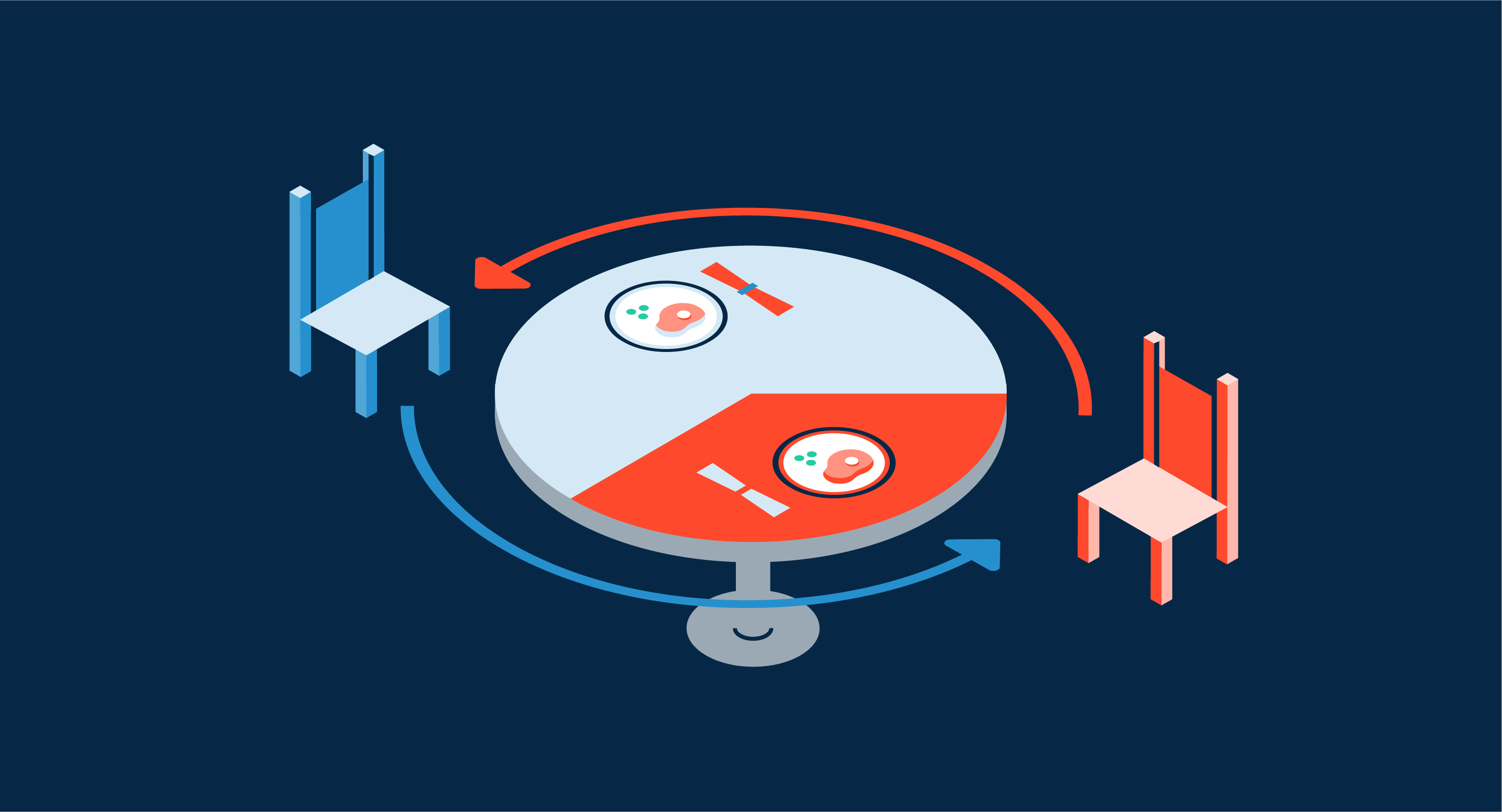
Credit: learn.g2.com
Using Data-driven Strategies
Conversion Rate Optimization (CRO) can significantly boost your business’s success. By using data-driven strategies, you can make informed decisions. This means analyzing data to understand what works best. Let’s explore some effective tactics.
Personalization Tactics
Personalization involves tailoring your website’s content to individual users. This can improve user experience and increase conversions. Here are some ways to implement personalization:
- Dynamic Content: Show different content based on user behavior.
- Location-Based Offers: Provide offers relevant to the user’s location.
- Browsing History: Recommend products based on past views.
These tactics create a more engaging experience. Users feel the website caters to their needs. This can lead to higher conversion rates.
Behavioral Targeting
Behavioral targeting uses data about user actions. This helps in delivering relevant content. Here are some examples:
- Page Views: Track pages a user visits most often.
- Time Spent: Analyze how long users stay on certain pages.
- Clicks: Monitor which links or buttons users click.
With behavioral targeting, you can tailor your marketing efforts. Show users content that matches their interests. This approach can lead to more effective engagement and higher conversion rates.
Table: Benefits Of Data-driven Strategies
| Strategy | Benefits |
|---|---|
| Personalization | Increased user engagement, higher conversion rates |
| Behavioral Targeting | More relevant content delivery, improved user satisfaction |
In summary, using data-driven strategies can transform your CRO efforts. Personalization and behavioral targeting are key components. They help in creating a more relevant and engaging user experience. This, in turn, can lead to higher conversion rates.
Implementing Ongoing Improvements
In the world of Conversion Rate Optimization (CRO), implementing ongoing improvements is crucial. CRO is not a one-time effort. It requires continuous monitoring and adjustments. This ensures your website remains effective and competitive. Let’s dive into some key strategies for ongoing improvements.
Continuous Testing
Continuous testing is the backbone of CRO. It involves regularly testing different elements of your website. This includes headlines, images, call-to-action buttons, and forms. Through continuous testing, you can identify what works best for your audience.
Consider using A/B testing. In A/B testing, you compare two versions of a webpage. This helps to see which one performs better. For example, you could test two different headlines. By analyzing the results, you can choose the headline that drives more conversions.
Here is a simple example of an A/B test:
| Version | Headline | Conversions |
|---|---|---|
| A | Join our community today | 100 |
| B | Sign up now and get started | 150 |
In this case, Version B performs better. Thus, you should use the headline from Version B.
Adapting To Market Trends
The market is always changing. To stay ahead, your website must adapt to these changes. This is where adapting to market trends comes into play.
Keep an eye on industry news and competitor activities. Use tools like Google Trends to see what is popular. Also, pay attention to customer feedback. These insights can help you understand market trends.
For example, suppose you notice a growing interest in eco-friendly products. You could then highlight your website’s sustainable practices. This aligns your business with current market trends.
Here are some tips for adapting to market trends:
- Monitor industry news regularly
- Analyze competitor strategies
- Use keyword research tools
- Gather and analyze customer feedback
By staying updated and adapting to trends, you can keep your website relevant and engaging for your audience.
Conclusion And Next Steps
You’ve now learned about Conversion Rate Optimization (CRO). It’s time to put this knowledge into action. But where should you start? This section will guide you through setting future goals and provide resources for further learning.
Setting Future Goals
Setting goals is crucial for any CRO strategy. Start with SMART goals. These are Specific, Measurable, Achievable, Relevant, and Time-bound.
| Goal Type | Description |
|---|---|
| Specific | Clearly define what you want to achieve. |
| Measurable | Ensure you can track your progress. |
| Achievable | Set realistic goals. |
| Relevant | Make sure goals align with your business. |
| Time-bound | Set a deadline for achieving the goals. |
Start small. Focus on one area at a time. For example, improve your landing page first. Track your progress and adjust your strategy as needed.
Resources For Further Learning
Learning never stops, especially in the field of CRO. Here are some resources to help you continue growing:
- Books: “Don’t Make Me Think” by Steve Krug
- Online Courses: Coursera, Udemy, and LinkedIn Learning
- Blogs: Check out blogs like Moz, HubSpot, and Neil Patel
- Podcasts: Listen to “The Marketing School” and “Call to Action”
Engage with online communities. Join forums and groups dedicated to CRO. Share your experiences and learn from others.
Remember, the goal is to keep improving. Use these resources and keep your skills sharp.
Frequently Asked Questions
What Is Conversion Rate Optimization?
Conversion Rate Optimization (CRO) is the process of improving your website to increase the percentage of visitors who take a desired action.
Why Is Cro Important?
CRO is important because it helps maximize the value of your website traffic, turning more visitors into customers, and increasing revenue.
How Can I Improve My Conversion Rate?
You can improve your conversion rate by conducting A/B tests, optimizing landing pages, improving website design, and enhancing user experience.
What Are Common Cro Strategies?
Common CRO strategies include A/B testing, improving website speed, optimizing calls-to-action, and creating persuasive landing pages.
Conclusion
Optimizing your conversion rate is crucial for business success. Small changes can make a big impact. Test different strategies. Analyze your results. Adjust as needed. Always keep the user experience in mind. Understand your audience. Provide value at every step.
It’s an ongoing process. Patience and persistence pay off. Keep learning and improving. Your efforts will lead to better conversions. This means more growth and success for your business. Keep optimizing and see the results.