

A/B testing is crucial for data-driven decisions. But what if it fails?
Ineffective A/B testing can mislead your strategies and waste resources. Many businesses invest time and money into A/B testing, expecting clear insights. Unfortunately, not all testing yields valuable results. Poor planning, execution flaws, or misinterpretation can undermine your efforts. Understanding why A/B tests fail is vital.
It helps avoid common pitfalls and maximize benefits. In this post, we’ll explore reasons behind ineffective A/B testing. You’ll learn how to identify issues and improve your approach. This knowledge can save time and enhance decision-making. Ready to make your A/B tests work better? Let’s dive in and uncover the secrets to effective testing.
Introduction To A/b Testing
A/B testing is a popular method used in marketing and product development. It helps businesses determine which version of a webpage, app, or other product performs better. By comparing two versions, A and B, you can see which one drives more conversions, clicks, or other key metrics.
What Is A/b Testing?
A/B testing, also known as split testing, involves comparing two versions of a digital asset. These assets can be anything from web pages to email newsletters. The goal is to see which version performs better. For instance, you might test two different headlines to see which one gets more clicks.
In a typical A/B test, users are randomly shown either version A or version B. This helps ensure that the results are not biased. The performance of each version is then measured based on key metrics. These metrics might include click-through rates, conversion rates, or time spent on a page.
Importance Of A/b Testing
A/B testing is crucial for several reasons. First, it helps you make data-driven decisions. Rather than guessing what will work best, you can rely on actual user data. This increases the likelihood of success for your campaigns or product changes.
Second, A/B testing can help you understand your audience better. By seeing how users react to different versions, you gain insights into their preferences and behaviors. This information can be invaluable for future projects.
Finally, A/B testing can lead to improved user experience. By continuously testing and optimizing, you can create more effective and engaging digital assets. This can lead to higher satisfaction and better results for your business.
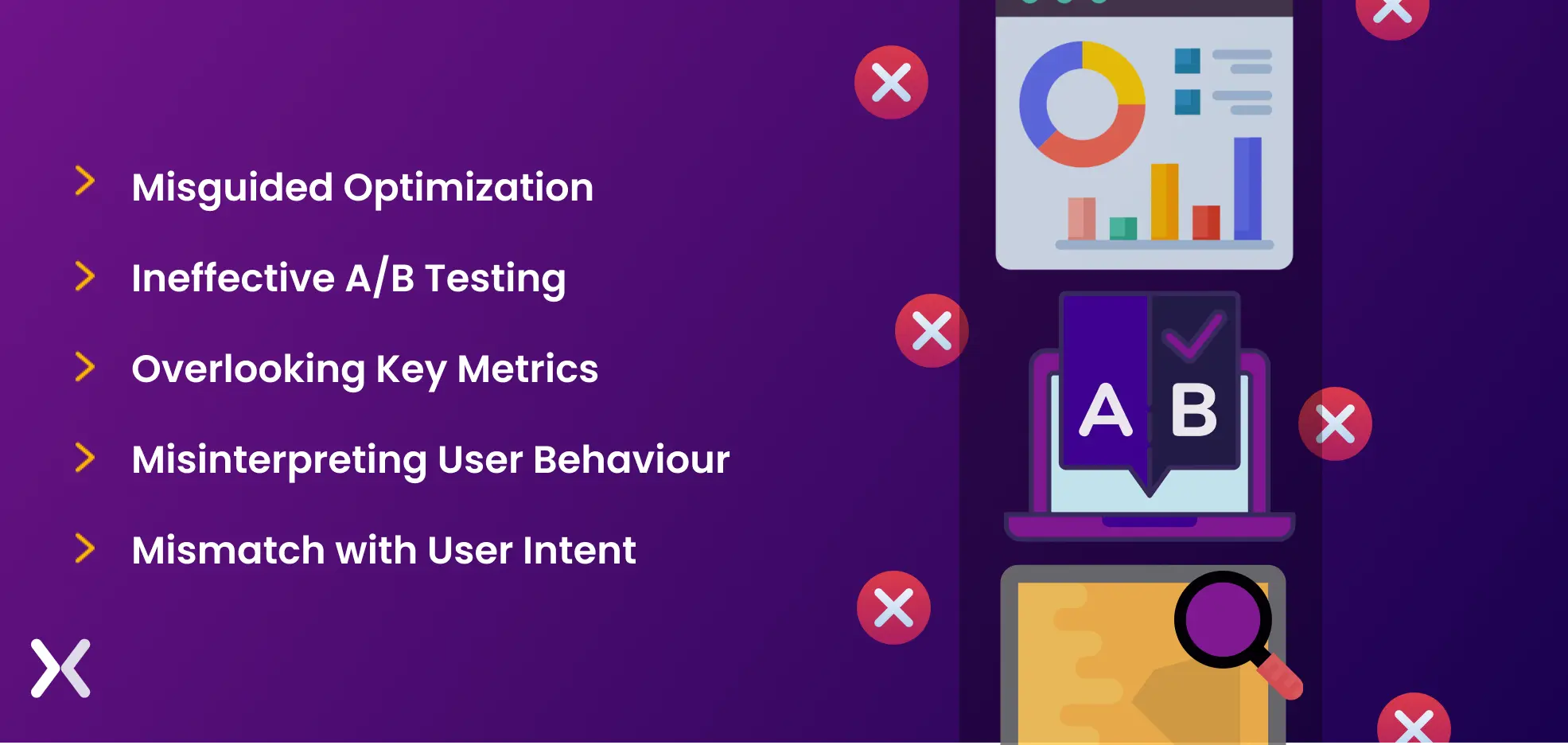
Credit: www.apexure.com
Common Pitfalls In A/b Testing
A/B testing is a powerful tool for optimizing digital experiences. However, many marketers fall into common pitfalls that can lead to ineffective results. Understanding these pitfalls is crucial for conducting successful A/B tests.
Sample Size Issues
One of the most common pitfalls in A/B testing is sample size issues. Running tests with too few participants can skew results. Small sample sizes often lead to unreliable data.
Consider this scenario:
| Sample Size | Test Duration | Result Reliability |
|---|---|---|
| 100 | 1 week | Low |
| 1000 | 2 weeks | High |
As shown in the table, a larger sample size over a longer period increases result reliability. Always calculate the required sample size before starting a test. Use online calculators or statistical formulas to determine the optimal number of participants.
Short Test Duration
Another major pitfall is conducting tests for a short duration. Short tests often fail to capture seasonal trends or user behavior variations.
Key considerations for test duration:
- Ensure the test runs for at least one full business cycle.
- Consider external factors like holidays or events.
- Monitor results regularly but avoid stopping the test prematurely.
Short test durations can lead to false positives. This means you might think a change works when it doesn’t. Always aim for tests that run long enough to provide accurate, meaningful data.
Poor Hypothesis Formulation
Poor hypothesis formulation is a common pitfall in A/B testing. A well-defined hypothesis guides the entire testing process. Without it, results can be misleading and valuable resources wasted. Below, we explore two main issues: vague objectives and lack of clear metrics.
Vague Objectives
Vague objectives often lead to ineffective A/B testing. Clear goals are essential for a successful test. When objectives are vague, the direction of the test becomes unclear. This can result in ambiguous outcomes, making it hard to draw useful conclusions.
To avoid this, your objectives should be:
- Specific
- Measurable
- Achievable
- Relevant
- Time-bound
For example, instead of saying “increase user engagement,” specify “increase click-through rate on the homepage by 10% in one month.” This clarity helps in designing focused tests.
Lack Of Clear Metrics
Without clear metrics, it becomes difficult to assess the success of a test. Metrics provide a way to measure performance and compare variations. When metrics are not defined, you risk making decisions based on gut feeling rather than data.
Consider the following table to outline clear metrics:
| Objective | Metric |
|---|---|
| Increase sales | Conversion rate |
| Enhance user engagement | Time spent on site |
| Boost newsletter sign-ups | Sign-up rate |
Having clear metrics ensures that you can track progress accurately. It also aids in comparing different variations to find the most effective one.
In summary, poor hypothesis formulation often stems from vague objectives and lack of clear metrics. Addressing these issues will lead to more effective A/B testing and better insights.

Credit: www.marketingevolution.com
Data Collection Mistakes
Ineffective A/B testing often results from data collection mistakes. These errors can lead to wrong conclusions. To avoid this, understand the common mistakes. Let’s explore two main issues: inaccurate data and biased sampling.
Inaccurate Data
Data accuracy is crucial for A/B testing. Inaccurate data can mislead your analysis. Here are some common reasons for inaccurate data:
- Technical errors: Bugs in tracking code can distort data.
- Human errors: Mistakes during data entry can skew results.
- Inconsistent metrics: Using different metrics across tests confuses outcomes.
Ensure data accuracy by regularly auditing your data collection processes. Consistent checks help to identify and fix errors early.
Biased Sampling
Biased sampling occurs when your sample doesn’t represent the target audience. This leads to unreliable results. Here are some common causes:
- Non-random sampling: Choosing a specific group skews results.
- Sample size: Small samples lack diversity, affecting reliability.
- Timing: Collecting data during a specific period can bias results.
To avoid biased sampling, ensure random and diverse sample selection. Use a large enough sample size to reflect your audience accurately.
Misinterpreting Results
Misinterpreting results is a common pitfall in A/B testing. This can lead to wrong business decisions and wasted resources. To avoid this, it’s essential to understand the data correctly.
Ignoring Statistical Significance
Many marketers ignore statistical significance in A/B testing. They focus on immediate results without considering the importance of statistical significance. This can lead to false positives and incorrect conclusions.
Statistical significance means the results are not due to random chance. It shows that the observed effect is real and can be trusted. Ignoring this can mislead your strategy and affect your business growth.
Consider this example:
| Test Version | Conversions | Conversion Rate | Statistical Significance |
|---|---|---|---|
| Version A | 100 | 5% | 90% |
| Version B | 120 | 6% | 60% |
In this table, Version B has a higher conversion rate. But, it lacks statistical significance. Trusting these results could lead to misguided decisions.
Confirmation Bias
Confirmation bias is another issue in A/B testing. It happens when testers look for data that supports their assumptions. They may ignore data that contradicts their beliefs.
This bias can distort the test results. It prevents an objective analysis of the data. To combat this, always approach data with an open mind. Consider all outcomes, even those that challenge your assumptions.
Here are some tips to avoid confirmation bias:
- Set clear, objective goals before starting the test.
- Use blind testing methods.
- Review data from multiple perspectives.
- Seek feedback from a diverse team.
Avoiding confirmation bias ensures that your decisions are based on accurate data. This leads to better business strategies and improved results.

Credit: www.neuronsinc.com
Technical Errors
A/B testing can be a powerful tool for optimizing your website. But technical errors can undermine your efforts. These errors can lead to inaccurate results and misguided decisions. Understanding common technical errors is crucial for successful A/B testing. Let’s explore two major types of technical errors: Tracking Issues and Implementation Bugs.
Tracking Issues
Tracking issues can distort your A/B test results. They arise when your tracking system fails to accurately record user interactions. This can happen due to several reasons:
- Incorrectly implemented tracking codes
- Browser incompatibility
- Ad-blockers blocking tracking scripts
These problems can lead to incomplete or misleading data. Regularly check your tracking codes. Ensure they are working across different browsers. Test them in environments with ad-blockers.
Implementation Bugs
Implementation bugs occur during the setup of your A/B tests. These bugs can affect the functionality of your test variations. Here are some common implementation bugs:
| Bug Type | Description |
|---|---|
| JavaScript Errors | Errors in scripts can stop tests from running correctly. |
| CSS Issues | Incorrect styling can make variations look broken. |
| Misconfigured URLs | Wrong URLs can lead users to the wrong pages. |
To avoid these bugs, thoroughly test your variations before launching. Use debugging tools to spot and fix issues. Run your tests in different environments to catch any hidden bugs.
Best Practices For Effective A/b Testing
A/B testing is a powerful tool. But, its effectiveness depends on proper execution. Avoid common pitfalls. Follow best practices to ensure your tests provide valuable insights.
Proper Planning
Planning is the backbone of effective A/B testing. Begin with clear objectives. Know what you want to achieve. Define the metrics you will track.
- Set Clear Goals: Identify what you want to learn. It could be increasing conversions or understanding user behavior.
- Choose the Right Variables: Test one variable at a time. This ensures you can attribute changes to the right factor.
- Sample Size: Ensure your sample size is large enough. This makes your results statistically significant.
Continuous Monitoring
Monitoring is crucial for A/B testing. It helps you catch issues early. Keep an eye on your test throughout its duration.
- Track Metrics: Use analytics tools to track your defined metrics. This helps in understanding the performance of each variant.
- Watch for Anomalies: Look for unexpected spikes or drops. These could indicate problems with your test.
- Regular Check-ins: Schedule regular reviews of your test data. This keeps you informed about ongoing performance.
Proper Analysis
Once your test completes, analyze the data carefully. Look beyond surface-level metrics. Understand why a variant performed better or worse.
| Aspect | Consideration |
|---|---|
| Data Accuracy | Ensure your data collection was accurate and consistent. |
| Context | Consider external factors that may have influenced results. |
| Learnings | Identify key takeaways to apply in future tests. |
Tools And Resources
Effective A/B testing relies on the right tools and resources. With the correct setup, you can avoid common pitfalls and achieve better results. This section highlights popular tools and educational resources that can enhance your testing process.
Popular A/b Testing Tools
Choosing the right tool is crucial for successful A/B testing. Here are some popular options:
| Tool | Features | Pricing |
|---|---|---|
| Google Optimize | Free, integrates with Google Analytics, easy setup | Free |
| Optimizely | Advanced targeting, real-time results, multivariate testing | Paid |
| VWO | Heatmaps, session recordings, split URL testing | Paid |
| AB Tasty | Behavioral targeting, AI recommendations, easy integration | Paid |
Educational Resources
To improve your A/B testing skills, utilize these educational resources:
- Online Courses: Platforms like Coursera and Udemy offer courses on A/B testing.
- Blogs: Websites like ConversionXL and Optimizely Blog provide detailed guides and case studies.
- Books: “You Should Test That!” by Chris Goward is a great starting point.
- Webinars: Many tools, such as VWO, host webinars to teach best practices.
Using these tools and resources will help you conduct more effective A/B tests. They will also help you avoid common mistakes.
Frequently Asked Questions
What Is A/b Testing?
A/B testing is a method of comparing two versions of a webpage to see which performs better.
Why Is My A/b Test Ineffective?
Your A/B test might be ineffective due to small sample sizes, improper metrics, or biases in execution.
How To Improve A/b Testing?
To improve A/B testing, ensure large sample sizes, relevant metrics, and eliminate any biases in the test setup.
What Are Common A/b Testing Mistakes?
Common A/B testing mistakes include small sample sizes, ignoring statistical significance, and not testing for long enough.
Conclusion
Ineffective A/B testing can waste time and resources. Focus on clear goals. Ensure your sample size is adequate. Avoid biased results by randomizing participants. Analyze your data carefully. Learn from each test to improve. Always iterate and refine your strategies.
Success lies in understanding what works. Keep your tests simple and actionable. With these tips, you can achieve better outcomes. Happy testing!