

Online marketing has transformed how businesses connect with customers. It’s essential for growth in the digital age.
In today’s fast-paced world, online marketing is not just an option; it’s a necessity. Whether you’re a small business owner or part of a large corporation, understanding online marketing can help you reach a wider audience. This blog will dive into the basics and benefits of online marketing.
From social media strategies to search engine optimization, we’ll cover the essentials. Get ready to learn how to effectively promote your business online and stay ahead in the competitive digital landscape.
Introduction To Online Marketing
Online marketing has changed how businesses reach customers. It uses the internet to promote products and services. This approach helps businesses engage with a broader audience.
Importance Of Digital Presence
A strong digital presence is crucial for success. It helps businesses connect with potential customers. Here are key reasons why digital presence matters:
- Visibility: A well-established online presence increases visibility.
- Customer Engagement: Social media and websites allow direct interaction.
- Brand Reputation: Positive online reviews build trust and credibility.
- Accessibility: Customers can find your business anytime, anywhere.
Evolution Of Online Marketing
Online marketing has evolved significantly over the years. It started with simple banner ads. Now, it includes various strategies and tools. Here is a brief timeline:
| Year | Milestone |
|---|---|
| 1994 | First banner ad appeared. |
| 2000 | Google AdWords launched. |
| 2004 | Facebook advertising started. |
| 2010 | Instagram introduced visual marketing. |
Each milestone shaped the current online marketing landscape. Businesses now use SEO, content marketing, social media, and email campaigns to reach audiences.
Building A Strong Website
Building a strong website is crucial for successful online marketing. Your website serves as the foundation of your online presence. It is often the first point of contact between your business and potential customers. A well-designed website can help you attract visitors, keep them engaged, and convert them into loyal customers.
Essential Elements
A strong website should include several essential elements to ensure it performs well:
- Clear Navigation: Users should easily find what they need.
- Responsive Design: Ensure your site looks good on all devices.
- Fast Load Times: Slow websites drive visitors away.
- SEO Optimization: Use keywords to improve search engine ranking.
- High-Quality Content: Provide valuable information to your visitors.
User Experience
User experience (UX) is critical for retaining visitors and encouraging them to take action. Here are some key aspects to consider:
- Intuitive Layout: Design your website so it is easy to navigate.
- Consistent Branding: Maintain a uniform look and feel across all pages.
- Interactive Elements: Use forms, buttons, and calls to action to engage users.
- Accessible Design: Ensure your site is usable by people with disabilities.
By focusing on these elements, you can create a user-friendly website that supports your online marketing efforts.
Search Engine Optimization (seo)
Search Engine Optimization (SEO) is a crucial part of online marketing. It helps websites rank higher on search engines like Google. Higher rankings bring more visitors to your site. This means more potential customers.
Keyword Research
Keyword research is the foundation of effective SEO. It involves finding the right words and phrases. These are the terms people use to search for your products or services. Use tools like Google Keyword Planner or Ahrefs to find these keywords.
Focus on keywords with high search volume and low competition. Use a mix of short and long-tail keywords. Short keywords are usually one or two words. Long-tail keywords are longer phrases. They are more specific and often have lower competition.
| Keyword Type | Example |
|---|---|
| Short-tail Keyword | Online Marketing |
| Long-tail Keyword | Best Online Marketing Strategies for Small Businesses |
On-page And Off-page Seo
On-Page SEO focuses on optimizing individual pages on your website. This includes using keywords in the title, headers, and content. Make sure your content is high-quality and provides value to your readers.
Use keywords in the first 100 words of your content. Include them naturally throughout the text. Optimize your meta descriptions and alt tags for images. Use internal links to connect related content within your site.
Off-Page SEO involves activities outside your website. This includes building backlinks from other sites. Backlinks are links from other websites to yours. They signal to search engines that your site is trustworthy and valuable.
Focus on getting backlinks from high-authority sites. Engage in guest blogging and social media sharing. Participate in forums and online communities related to your industry.
- Identify high-authority sites for backlinks.
- Engage in guest blogging.
- Share content on social media.
- Participate in industry forums.
By combining on-page and off-page SEO, you can improve your website’s visibility. This attracts more visitors and potential customers.
Content Marketing
Content marketing is a vital part of online marketing. It helps businesses engage with their audience by providing valuable information. This strategy focuses on creating and sharing content to attract and retain customers. Let’s dive deeper into content marketing.
Creating Valuable Content
Creating valuable content is the foundation of content marketing. You must understand your audience. Know their needs and interests. Then, create content that addresses those needs. Here are some tips:
- Research your audience thoroughly.
- Identify their pain points.
- Craft content that provides solutions.
- Use simple language and clear messages.
Use different formats to keep it engaging. Blog posts, videos, and infographics work well. Remember, quality is more important than quantity.
Content Distribution Channels
Once you create valuable content, you need to share it. Content distribution channels help you reach your audience. Here are some effective channels:
- Social Media: Share your content on platforms like Facebook, Twitter, and LinkedIn.
- Email Marketing: Send newsletters to your subscribers with your latest content.
- Guest Blogging: Publish your content on other websites to reach a wider audience.
- SEO: Optimize your content for search engines to attract organic traffic.
Choose the channels that your audience uses the most. Track your results and adjust your strategy accordingly.
Social Media Marketing
Social Media Marketing is a powerful tool for online marketing. It helps businesses connect with their audience. It also helps in building brand awareness and driving website traffic.
Choosing The Right Platforms
Choosing the right social media platforms is essential. Not every platform suits every business. Here are some pointers:
- Facebook: Great for broad audiences. Best for B2C businesses.
- LinkedIn: Ideal for B2B and professional services.
- Instagram: Perfect for visual brands. Best for fashion, food, and travel.
- Twitter: Good for real-time updates and customer engagement.
- Pinterest: Excellent for DIY, crafts, and lifestyle brands.
Research where your audience spends their time. Focus on those platforms to maximize your reach.
Engaging Your Audience
Engagement is key to social media marketing success. Here are some strategies:
- Post Regularly: Keep your audience engaged with frequent updates.
- Use Visuals: Images and videos attract more attention than text.
- Respond Promptly: Reply to comments and messages quickly.
- Ask Questions: Encourage interaction by asking for opinions.
- Share User-Generated Content: Highlight your loyal customers and their content.
Engage your audience with valuable and relevant content. Always aim to provide value.
Email Marketing
Email marketing is a powerful tool in online marketing. It allows businesses to reach their audience directly. By sending targeted emails, companies can engage their customers, promote products, and build brand loyalty. In this section, we will explore how to build an email list and craft effective campaigns.
Building An Email List
Building an email list is crucial for email marketing success. Start by identifying your target audience. Understand their needs and preferences.
- Create a sign-up form on your website. Make it easy to find and fill out.
- Offer incentives for signing up. This could be discounts or exclusive content.
- Use social media to promote your email list. Share the sign-up link regularly.
- Collect emails at events. Have a sign-up sheet or use a tablet for digital sign-ups.
Ensure your sign-up process is simple. Ask for minimal information. Just an email address and a name are enough. This reduces friction and increases sign-ups.
Crafting Effective Campaigns
Once you have an email list, focus on crafting effective campaigns. Start with a clear goal. Do you want to drive sales, increase website traffic, or build relationships?
- Segment your email list. Group subscribers based on interests, behavior, or demographics.
- Personalize your emails. Use the subscriber’s name and tailor the content to their preferences.
- Write compelling subject lines. Keep them short and catchy.
- Design visually appealing emails. Use images, videos, and a clean layout.
- Include a clear call-to-action (CTA). Tell your subscribers what you want them to do next.
Measure the performance of your campaigns. Track open rates, click-through rates, and conversions. Use this data to improve future campaigns.
Email marketing can be a game-changer for your business. Focus on building a quality list and crafting engaging campaigns. This will help you connect with your audience and achieve your marketing goals.
Pay-per-click Advertising (ppc)
Pay-Per-Click Advertising, or PPC, is a popular online marketing strategy. In PPC, advertisers pay a fee each time someone clicks on their ad. It’s a way of buying visits to your site, rather than earning them organically. PPC can drive traffic and leads to your business quickly.
Google Ads
Google Ads is one of the most effective PPC platforms. It allows businesses to create ads that appear on Google’s search engine results pages. These ads are usually displayed at the top or bottom of the search results. With Google Ads, you can target specific keywords related to your business. This helps in reaching potential customers who are searching for those keywords.
Google Ads also offers various types of campaigns, such as:
- Search Ads
- Display Ads
- Video Ads
- Shopping Ads
- App Ads
Each campaign type has its own benefits. For example, Search Ads are great for capturing intent-based traffic. Display Ads are useful for brand awareness. Google Ads provides detailed analytics, helping you measure the performance of your campaigns.
Social Media Ads
Social Media Ads are another powerful PPC option. Platforms like Facebook, Instagram, Twitter, and LinkedIn offer robust advertising solutions. These platforms have a vast user base, allowing you to reach a wide audience.
With Social Media Ads, you can target users based on demographics, interests, and behaviors. This precise targeting ensures your ads reach the right people. Social media ads can be in various formats, including:
- Image Ads
- Video Ads
- Carousel Ads
- Story Ads
- Messenger Ads
Each format has its own strengths. For instance, Video Ads are great for engaging users. Carousel Ads allow you to showcase multiple products or features. Social media platforms also provide detailed performance metrics. This helps you understand how your ads are performing and make necessary adjustments.
| PPC Platform | Ad Formats | Targeting Options |
|---|---|---|
| Google Ads | Search, Display, Video, Shopping, App | Keywords, Location, Device |
| Facebook Ads | Image, Video, Carousel, Story, Messenger | Demographics, Interests, Behaviors |
Both Google Ads and Social Media Ads offer powerful tools for PPC advertising. They help you reach your target audience effectively. By using these platforms, you can drive traffic, generate leads, and grow your business.

Credit: www.linkedin.com
Analyzing And Measuring Success
Online marketing is dynamic. To thrive, you must analyze and measure success. This approach ensures continuous improvement. It helps in identifying what works and what doesn’t.
Key Performance Indicators (kpis)
KPIs are essential. They help track your marketing goals. Here are some key indicators:
- Website Traffic: Measures the number of visitors.
- Bounce Rate: Shows the percentage of visitors who leave quickly.
- Conversion Rate: Tracks the percentage of visitors who complete desired actions.
- Customer Acquisition Cost (CAC): Calculates the total cost to acquire a new customer.
- Return on Investment (ROI): Measures the profitability of your campaigns.
Tools And Analytics
Various tools can help you measure and analyze your marketing efforts. These tools provide insights and data to refine your strategies.
| Tool | Description |
|---|---|
| Google Analytics | Tracks and reports website traffic. It offers detailed insights. |
| SEMrush | Provides SEO analytics and competitor analysis. It helps in keyword research. |
| Hootsuite | Manages social media platforms. It schedules posts and tracks engagement. |
| Mailchimp | Automates email marketing. It tracks open rates and conversions. |
Using these tools, you can make data-driven decisions. This ensures your marketing strategy is effective and efficient.
Adapting To Trends
In the fast-paced world of online marketing, staying ahead is crucial. Businesses must continuously adapt to evolving trends to remain competitive. This involves staying updated with the latest industry changes and incorporating new technologies to enhance marketing strategies.
Staying Updated
Keeping up with the latest trends is essential for online marketing success. This can be achieved by:
- Subscribing to industry newsletters
- Following influential marketing blogs
- Attending webinars and conferences
Reading reports and articles helps in understanding market shifts. Regular research ensures that you are aware of new tactics and strategies. This knowledge helps in creating effective marketing campaigns.
Consider joining online marketing communities. Engage in discussions and share insights. This collaborative approach keeps you informed about the latest developments.
Incorporating New Technologies
Technology plays a significant role in modern marketing. Utilizing new tools and platforms can provide a competitive edge. Some technologies to consider are:
| Technology | Benefits |
|---|---|
| Artificial Intelligence (AI) | Personalized marketing and data analysis |
| Chatbots | 24/7 customer support |
| Social Media Management Tools | Efficient content scheduling and tracking |
AI helps in targeting the right audience. It analyzes customer behavior and preferences. This leads to more effective marketing strategies.
Chatbots improve customer engagement. They provide instant responses to queries. This enhances the customer experience and builds trust.
Social media tools streamline content management. They save time and ensure consistent posting. This increases brand visibility and engagement.
Adapting to trends requires a proactive approach. Stay updated and embrace new technologies. This ensures your online marketing efforts remain effective and relevant.

Credit: online.hbs.edu
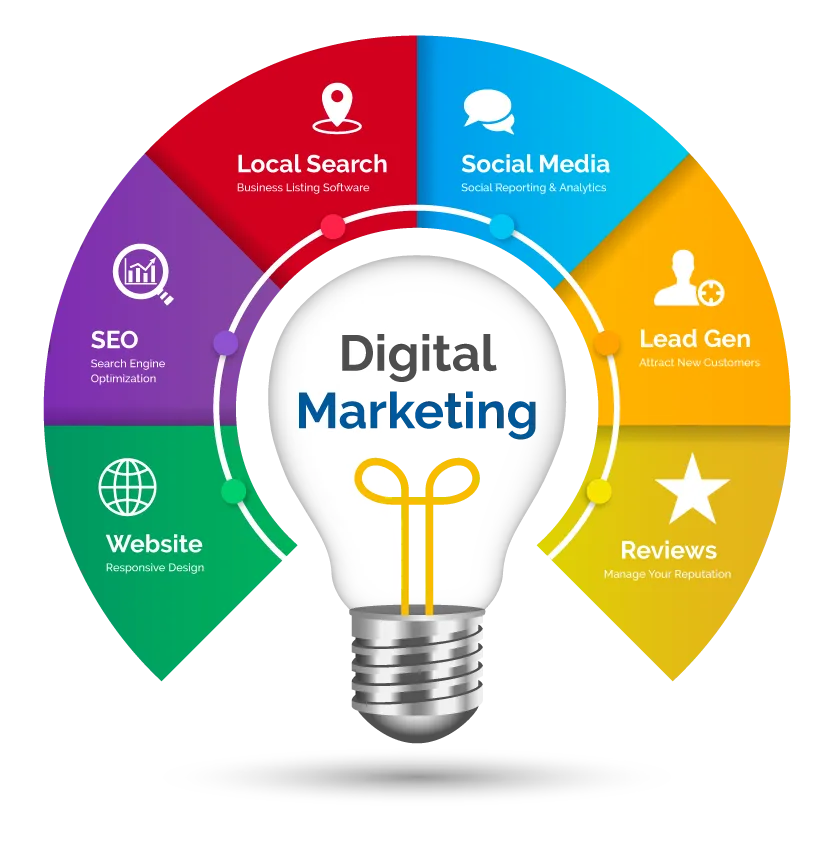
Credit: www.e-marketingassociates.com
Frequently Asked Questions
What Is Online Marketing?
Online marketing refers to promoting products or services using the internet. It includes various strategies like SEO, social media, email marketing, and more.
How Does Seo Help Online Marketing?
SEO improves your website’s visibility on search engines. This drives more organic traffic and increases potential customers.
What Are Online Marketing Strategies?
Online marketing strategies include SEO, content marketing, email marketing, social media marketing, and PPC advertising.
Why Is Social Media Important In Online Marketing?
Social media helps you connect with your audience. It increases brand awareness and drives website traffic.
Conclusion
Online marketing offers countless opportunities to grow your business. Embrace digital tools and strategies. Stay updated with trends for better results. Track your progress with analytics. Engage with your audience consistently. Build strong relationships and trust online. Success in online marketing requires patience and persistence.
Keep learning and adapting to changes. The digital world is always evolving. Use these tips to enhance your online presence. Happy marketing!