

In today’s digital age, online testing platforms have become essential tools. They streamline assessments, making them accessible and efficient.
Online testing platforms offer a modern solution for various types of evaluations. Whether for education, recruitment, or certification, these platforms bring numerous advantages. They save time, reduce costs, and provide instant feedback. Additionally, they ensure a fair and standardized testing environment.
As technology advances, the demand for reliable online testing solutions grows. This blog explores the significance of online testing platforms. It highlights their benefits and how they transform traditional testing methods. Dive in to discover why these platforms are gaining popularity and how they can meet your testing needs.
Introduction To Online Testing
Online testing platforms have transformed the way assessments are conducted. These platforms offer convenience, flexibility, and accessibility. Students and professionals can take tests from anywhere at any time. Let’s delve into the evolution and rise of these digital platforms.
Evolution Of Assessments
Traditionally, assessments were done on paper. This method was time-consuming and resource-heavy. Teachers and examiners had to manually grade each test. Results took a long time to be processed and shared.
With the advent of technology, assessments began to change. Computer-based testing emerged as an alternative. These tests were quicker to administer and grade. They reduced the burden on educators and institutions.
Now, we have online testing platforms. These platforms offer a seamless and efficient way to conduct exams. They utilize advanced algorithms to grade tests instantly. This reduces human error and speeds up the process.
Rise Of Digital Platforms
The rise of digital platforms has made online testing more accessible. Many educational institutions and organizations have adopted these platforms. They provide a wide range of features that enhance the testing experience.
Here are some key benefits of online testing platforms:
- Accessibility: Tests can be taken from anywhere, anytime.
- Efficiency: Automated grading saves time and reduces errors.
- Flexibility: Various question formats are available, from multiple-choice to essays.
- Security: Advanced security measures protect the integrity of exams.
Popular online testing platforms include:
- Google Forms
- Microsoft Forms
- Quizlet
- Kahoot
These platforms are user-friendly and widely used. They cater to both educational and professional needs. They provide detailed analytics and reports to track performance.
| Platform | Key Feature |
|---|---|
| Google Forms | Easy to use and integrate with Google Suite |
| Microsoft Forms | Seamless integration with Microsoft Office |
| Quizlet | Flashcards and learning tools |
| Kahoot | Interactive and engaging quizzes |
Online testing platforms continue to evolve. They are becoming more sophisticated and feature-rich. They are an essential tool for modern education and professional development.
Benefits Of Online Testing Platforms
Online testing platforms offer convenience and flexibility. Users can take exams from anywhere, anytime. They also provide immediate results and feedback, enhancing the learning process.
Online testing platforms have transformed the way assessments are conducted. These platforms offer numerous advantages that cater to both educators and learners. Let’s explore some of the key benefits.Accessibility And Convenience
Online testing platforms provide accessibility to users from anywhere. Students can take tests from home or any other location with an internet connection. This flexibility helps reduce stress and improves performance. These platforms are also available 24/7, making it easy to schedule tests at convenient times. Learners can take assessments at their own pace. This adaptability is especially beneficial for those with busy schedules.Cost Efficiency
Using online testing platforms can be more cost-efficient than traditional methods. Schools and organizations save on printing, shipping, and administrative costs. No need for physical test papers or answer sheets. Here’s a quick comparison of costs:| Expense | Traditional Testing | Online Testing |
|---|---|---|
| Printing | High | Low |
| Shipping | High | None |
| Administrative | High | Low |
Key Features Of Modern Platforms
Online testing platforms have grown in popularity. Their features ensure efficient and secure assessments. Let’s explore the key features of modern platforms.
User-friendly Interface
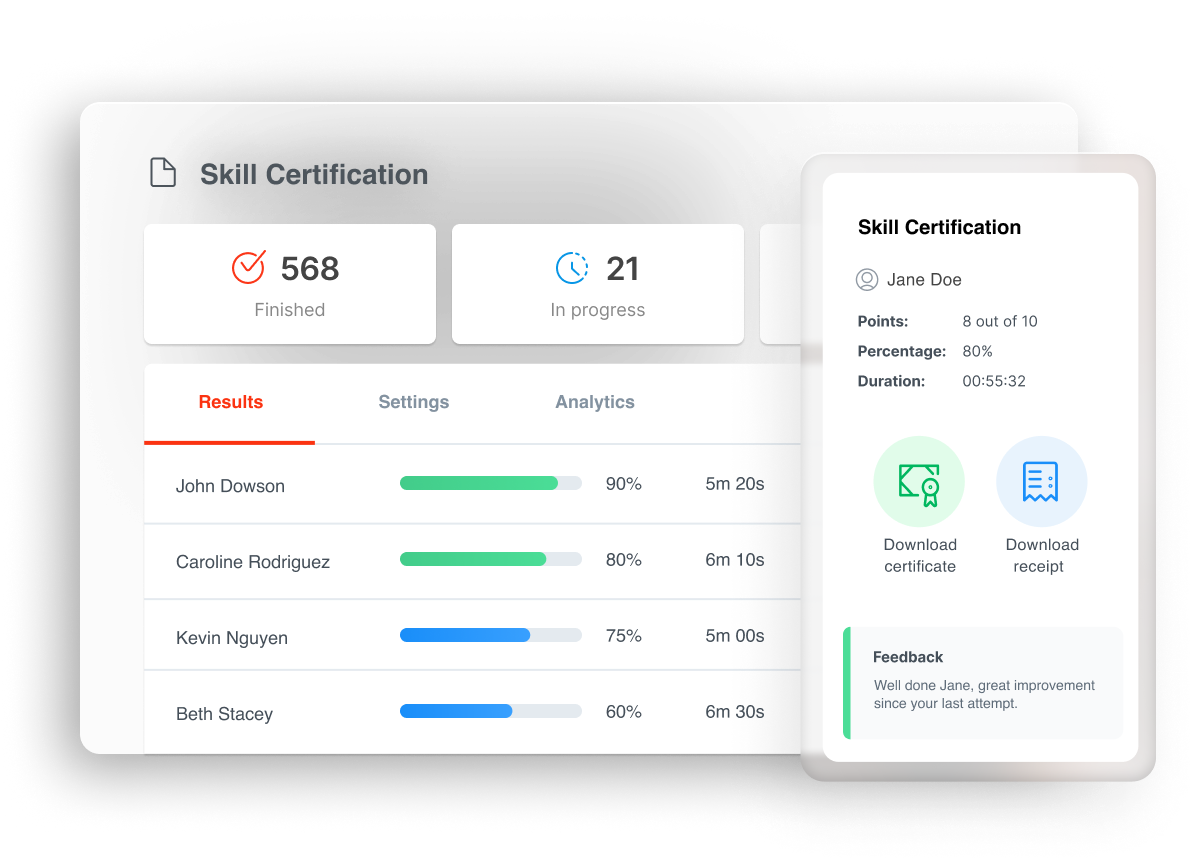
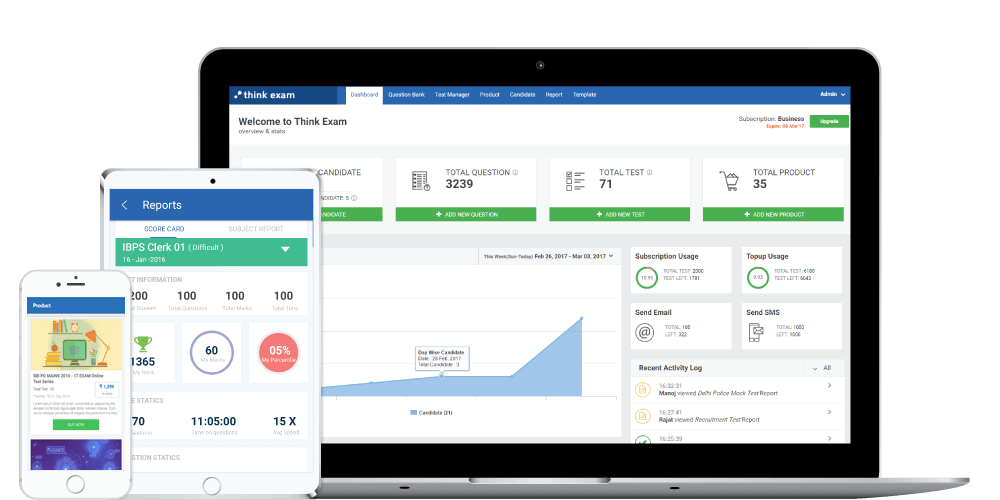
The best platforms have a user-friendly interface. Users find it easy to navigate. Both testers and test-takers appreciate clear instructions. A simple dashboard helps locate all options quickly. Intuitive design reduces the learning curve. This allows users to focus on the test itself.
Advanced Security Measures
Modern platforms implement advanced security measures. This ensures the integrity of the tests. They use encryption to protect data. User authentication is mandatory. Many platforms offer proctoring options. These include:
- Live proctoring
- Recorded sessions
- AI-based monitoring
These features prevent cheating. They maintain fairness and trust in the testing process.
Credit: www.classmarker.com
Types Of Online Assessments
Online testing platforms have become essential tools for educators and learners. They offer various assessment types to measure knowledge and skills. Understanding the types of online assessments can help you choose the right one for your needs. Let’s explore two main types: formative assessments and summative assessments.
Formative Assessments
Formative assessments focus on the learning process. They help teachers and students identify strengths and weaknesses. These assessments are usually informal and frequent. They provide immediate feedback, enabling adjustments in teaching and learning strategies.
Some examples of formative assessments include:
- Quizzes
- Interactive polls
- Discussion boards
- Self-assessment exercises
Formative assessments are crucial for continuous improvement. They help track progress and enhance understanding.
Summative Assessments
Summative assessments evaluate student learning at the end of an instructional period. They measure the extent of knowledge gained and the achievement of learning objectives. These assessments are usually formal and high-stakes.
Examples of summative assessments include:
- Final exams
- Standardized tests
- End-of-term projects
- Performance tasks
Summative assessments provide a comprehensive overview of student performance. They help in making important educational decisions.
| Assessment Type | Purpose | Examples |
|---|---|---|
| Formative | Monitor learning progress | Quizzes, Polls, Discussions |
| Summative | Evaluate overall learning | Final exams, Projects |
Both formative and summative assessments play important roles. They help in understanding and improving student performance. Choose the right assessment type based on your goals and needs.
Technological Innovations
Online testing platforms have seen rapid advancements in recent years. Technological innovations have transformed the way assessments are conducted. These innovations include AI and machine learning, as well as proctoring tools, which have enhanced the efficiency and security of online tests.
Ai And Machine Learning
Artificial Intelligence (AI) and Machine Learning (ML) are at the forefront of these changes. These technologies help create more dynamic and adaptive testing environments. AI analyzes a test-taker’s performance in real-time. It adjusts the difficulty level of questions based on their responses. This makes tests more personalized and challenging.
Machine learning algorithms can also detect patterns in test-taker behavior. They identify trends that might indicate cheating. For instance, if a test-taker’s performance suddenly improves drastically, the system flags it for further review. This ensures the integrity of the testing process.
| Feature | Benefit |
|---|---|
| Adaptive Testing | Personalized difficulty levels |
| Behavioral Analysis | Cheating detection |
Proctoring Tools
Proctoring tools are another key innovation in online testing. These tools monitor test-takers to prevent cheating. They use a mix of video, audio, and screen recording technologies. Proctoring tools can be automated or involve live proctors who observe the test in real-time.
Automated proctoring tools use AI to monitor test-takers. They flag suspicious activities like unusual eye movements or background noises. Live proctoring, on the other hand, involves human supervisors who can intervene if they notice any irregularities. This ensures a fair testing environment.
- Video Proctoring: Records the test-taker’s actions.
- Audio Proctoring: Captures ambient sounds.
- Screen Proctoring: Monitors on-screen activities.
These proctoring tools make sure that the test environment is secure. They help maintain the credibility of online assessments.
Challenges And Solutions
Online testing platforms have become a crucial tool for educators and organizations. They offer a flexible and efficient way to conduct exams. Yet, they come with their own set of challenges and solutions. Addressing these challenges ensures a smooth experience for both administrators and students.
Technical Issues
Technical issues are among the top concerns with online testing platforms. Problems like slow internet, software bugs, and system crashes can disrupt tests. These issues can cause stress and unfair results.
Solutions:
- Ensure a stable internet connection before the test.
- Use reliable and updated software.
- Have technical support available during tests.
Cheating Prevention
Cheating is a significant challenge in online exams. Students may use unauthorized resources or collaborate with others. This undermines the integrity of the test.
Solutions:
- Use proctoring software to monitor students during tests.
- Randomize question orders to prevent sharing answers.
- Implement time limits for each question to reduce cheating opportunities.
Case Studies And Success Stories
Online testing platforms have significantly transformed various sectors. From educational institutions to corporate training, these platforms have revolutionized learning and assessment. Below, we dive into some compelling case studies and success stories.
Educational Institutions
Many schools and universities have adopted online testing platforms. This shift has led to remarkable outcomes.
| Institution | Outcome |
|---|---|
| University of ABC | Increased student engagement by 30% |
| XYZ High School | Reduced exam administration costs by 40% |
University of ABC saw a significant rise in student engagement. The flexible testing schedule allowed students to take exams at their own pace. This flexibility led to a 30% increase in participation.
Meanwhile, XYZ High School benefited financially. By shifting to online testing, they saved 40% on exam administration costs. This saving allowed them to invest in other academic resources.
Corporate Training
Corporations have also reaped the benefits of online testing platforms. These tools have streamlined employee training and assessment.
- Company A: Improved employee knowledge retention by 25%
- Company B: Reduced training time by 20%
Company A used an online testing platform to train their staff. Post-training assessments showed a 25% improvement in knowledge retention. Employees appreciated the self-paced learning modules.
Company B aimed to cut down on training time. The online platform helped them achieve this goal. Training time was reduced by 20%, making the process more efficient.
In both cases, online testing platforms proved their worth. They enhanced learning outcomes and operational efficiency.
Credit: thinkexam.com
Future Of Digital Assessments
The future of digital assessments is bright and full of promise. As technology evolves, so do online testing platforms. They bring new methods and tools to measure skills and knowledge. Digital assessments are becoming more accurate, interactive, and user-friendly.
Trends To Watch
Several trends are shaping the future of digital assessments:
- AI and Machine Learning: These technologies personalize tests, making them more adaptive and fair.
- Remote Proctoring: It ensures the integrity of tests taken from home or other remote locations.
- Interactive Question Types: New formats like drag-and-drop, simulations, and video responses engage test-takers more.
- Mobile Accessibility: More assessments are optimized for mobile devices, allowing on-the-go testing.
- Data Analytics: Detailed insights help educators understand performance trends and areas needing improvement.
Potential Developments
Future digital assessments may bring more innovative features:
- Virtual Reality (VR): VR can create immersive testing environments, especially for practical skills.
- Blockchain Technology: It could secure and verify test results, ensuring data integrity.
- Gamification: Adding game-like elements can make assessments fun and engaging.
- Real-time Feedback: Instant feedback can help learners understand mistakes and improve.
Advancements in digital assessments are making learning more efficient and accessible. These tools are not only transforming education but also how we measure and enhance skills in various fields.

Credit: anubudh.com
Frequently Asked Questions
What Are Online Testing Platforms?
Online testing platforms are digital tools that facilitate exams and assessments over the internet. They provide secure and efficient environments for conducting tests.
How Do Online Testing Platforms Work?
Online testing platforms work by offering a virtual space for creating, distributing, and grading exams. They use various technologies to ensure security and fairness.
Are Online Testing Platforms Secure?
Yes, most online testing platforms implement advanced security measures. These include encryption, authentication, and proctoring to prevent cheating and ensure the integrity of exams.
What Features Do Online Testing Platforms Offer?
Online testing platforms offer features like automated grading, real-time analytics, customizable test creation, and secure proctoring. These features enhance the testing experience for both administrators and test-takers.
Conclusion
Online testing platforms offer convenience and efficiency. They enhance learning and assessment. These tools cater to diverse needs and subjects. Users benefit from immediate feedback and flexible schedules. They also reduce logistical challenges of traditional exams. Organizations and individuals save time and resources.
Embrace these platforms for streamlined testing processes. Stay ahead in education and professional growth. Online testing is here to stay.