

Understanding marketing ROI concerns is crucial for businesses. It helps determine if marketing efforts are profitable or not.
Marketing ROI, or return on investment, measures the efficiency of marketing campaigns. Companies always want to know if their marketing dollars are well-spent. This is where ROI comes in. It helps track performance and justify marketing budgets. But many businesses struggle with accurately measuring ROI.
They face challenges like tracking conversions, attributing sales to specific campaigns, and calculating long-term value. These concerns can make it difficult to optimize marketing strategies. In this blog post, we will dive into the common marketing ROI concerns and explore ways to address them. Understanding these issues can help improve your marketing efforts and boost profitability.

Credit: www.outbrain.com
Importance Of Marketing Roi
Understanding the importance of Marketing ROI is crucial for any business. Marketing ROI measures the return on investment from marketing activities. It helps businesses determine the effectiveness of their marketing efforts. By tracking ROI, companies can make informed decisions. This can lead to better resource allocation and improved marketing strategies.
Why Roi Matters
Marketing ROI is essential for several reasons. First, it helps in measuring the success of marketing campaigns. Knowing the ROI allows businesses to see which campaigns work and which do not. This helps in optimizing future marketing efforts.
Second, it provides a clear picture of financial performance. Businesses can see how much money they are making from their marketing spend. This helps in budgeting and forecasting.
Third, it aids in justifying marketing expenses. When marketing teams can show positive ROI, they can justify their budgets and secure more funding for future campaigns.
Impact On Business Growth
A positive marketing ROI can significantly impact business growth. When marketing efforts yield good returns, businesses can scale their operations. This means more customers and higher revenues.
ROI also helps in identifying growth opportunities. By analyzing the data, businesses can spot trends and capitalize on them. This leads to more strategic marketing and better results.
Lastly, a strong ROI fosters confidence among stakeholders. Investors and shareholders are more likely to support companies with proven marketing success. This can lead to more investment and faster growth.
| ROI Benefit | Description |
|---|---|
| Success Measurement | Shows which campaigns are effective |
| Financial Performance | Provides a clear picture of returns |
| Budget Justification | Helps in securing more funding |
| Business Growth | Enables scaling and higher revenues |
Setting Clear Objectives
Setting clear objectives is crucial for achieving a solid marketing ROI. Without clear goals, it is hard to measure success. This section will help you understand how to set clear objectives that align with your business strategy.
Defining Goals
Defining goals is the first step in setting clear objectives. Goals should be specific, measurable, achievable, relevant, and time-bound (SMART). This method helps to create clear and actionable goals.
- Specific: Clearly define what you want to achieve.
- Measurable: Ensure you can track progress and measure success.
- Achievable: Set goals that are realistic and attainable.
- Relevant: Align goals with your overall business objectives.
- Time-bound: Set a deadline for achieving the goals.
Here is an example of a SMART goal:
Specific: Increase website traffic by 20%
Measurable: Use Google Analytics to track traffic
Achievable: Increase traffic through SEO and content marketing
Relevant: Supports overall business growth
Time-bound: Achieve by the end of Q4
Aligning With Business Strategy
Aligning marketing goals with your business strategy ensures that your efforts support the company’s long-term objectives. This alignment helps to allocate resources effectively and avoid wasted efforts.
| Marketing Goal | Business Strategy |
|---|---|
| Increase brand awareness | Expand market reach |
| Boost lead generation | Grow customer base |
| Improve customer retention | Enhance customer satisfaction |
Use the following steps to align your marketing goals with your business strategy:
- Review your business strategy and objectives.
- Identify the key areas where marketing can contribute.
- Set marketing goals that support these areas.
- Ensure team alignment and communication.
By setting clear objectives and aligning them with your business strategy, you can improve your marketing ROI and achieve better results.
Tracking Metrics
Tracking metrics is essential for understanding the success of your marketing efforts. Accurate measurement helps you determine what works and what doesn’t. This enables you to make informed decisions.
Key Performance Indicators
Key Performance Indicators (KPIs) are vital metrics that show the effectiveness of your marketing strategies. Here are some important KPIs:
- Conversion Rate: Percentage of visitors who complete a desired action.
- Customer Acquisition Cost (CAC): Cost to acquire a new customer.
- Customer Lifetime Value (CLV): Total revenue from a customer over their lifetime.
- Return on Investment (ROI): Revenue gained compared to the amount spent.
- Click-Through Rate (CTR): Percentage of people who click on your ad or link.
Tools For Measurement
There are many tools available to track and measure your KPIs. These tools help in collecting data and generating reports. Here are some popular ones:
| Tool | Purpose |
|---|---|
| Google Analytics | Tracks website traffic and user behavior |
| HubSpot | Manages inbound marketing and sales |
| Hootsuite | Manages and measures social media activity |
| SEMrush | Tracks SEO and competitive analysis |
| Mailchimp | Manages email marketing campaigns |
Using these tools, you can gather valuable data. This data informs your marketing decisions and helps improve your ROI.
Budget Allocation
Effective budget allocation is crucial for achieving a positive marketing ROI. Understanding where to allocate your resources can make or break your marketing efforts. Let’s delve into some key aspects to consider.
Prioritizing Spend
When prioritizing spend, focus on channels that yield the highest returns. Analyze past performance to determine the most effective platforms. Allocate a larger share of the budget to these high-performing channels.
Consider the following points:
- Identify top-performing channels
- Allocate funds based on performance data
- Regularly review and adjust spending
Balancing Short-term And Long-term Goals
Balancing short-term and long-term goals is essential for sustainable growth. Short-term goals might include immediate sales or lead generation. Long-term goals focus on brand building and customer loyalty.
Here’s a table to illustrate the differences:
| Short-term Goals | Long-term Goals |
|---|---|
| Immediate sales | Brand awareness |
| Lead generation | Customer loyalty |
| Quick wins | Market positioning |
Allocate funds to both short-term and long-term goals. This ensures immediate results and future stability. Use a balanced approach to maximize overall ROI.
Optimizing Campaigns
Optimizing campaigns is crucial for maximizing your marketing ROI. It involves analyzing data, testing different strategies, and making adjustments. This process helps you understand what works best for your target audience and refine your campaigns for better performance.
A/b Testing
A/B testing is a powerful tool for optimizing campaigns. It involves comparing two versions of a campaign to see which performs better. For example, you might test two different headlines, images, or calls-to-action. By measuring the results, you can identify the most effective elements and use them in future campaigns.
Here are some common elements to test:
- Headlines
- Images
- Call-to-action buttons
- Landing page layouts
- Email subject lines
Use A/B testing to continuously improve your campaigns. This helps you make data-driven decisions and increase your ROI.
Adjusting Strategies
Adjusting strategies is essential for campaign optimization. Once you have data from A/B testing, you can adjust your strategies based on the results. This might involve changing your target audience, tweaking your messaging, or shifting your budget allocation.
Consider the following steps to adjust your strategies:
- Analyze the data from your A/B tests.
- Identify the most successful elements.
- Implement changes based on your findings.
- Monitor the performance of the adjusted campaign.
- Repeat the process for continuous improvement.
By consistently adjusting your strategies, you can ensure your campaigns are always optimized for the best possible results.

Credit: blog.socialmediastrategiessummit.com
Analyzing Data
Understanding the Marketing ROI is critical for any business. Analyzing data helps identify what works and what does not. It ensures resources are used efficiently. This section will cover how to interpret results and identify trends.
Interpreting Results
Interpreting results involves looking at the numbers and understanding what they mean. This process can reveal the effectiveness of your marketing efforts. Below is a table to help understand different metrics:
| Metric | Definition | Importance |
|---|---|---|
| Conversion Rate | Percentage of visitors who take action | Shows success of campaigns |
| Cost per Lead | Cost to acquire a lead | Helps manage budget |
| Customer Lifetime Value | Total revenue from a customer | Measures long-term success |
These metrics provide insights into marketing performance. By analyzing them, businesses can make informed decisions. Use this data to refine strategies and improve ROI.
Identifying Trends
Identifying trends involves looking for patterns in your data. Trends can show shifts in customer behavior or market conditions. It helps you adapt your marketing strategies.
- Look at historical data
- Compare different time periods
- Identify seasonal patterns
Use graphs and charts to visualize trends. This makes it easier to spot patterns. Here is an example of how to track trends:
Monthly Sales Data:
January - 100 units
February - 120 units
March - 150 units
April - 200 units
This example shows a clear upward trend in sales. Understanding such trends helps businesses stay ahead. It allows for proactive adjustments to marketing strategies.
Improving Roi
Improving ROI is critical for any business. It helps maximize profits and ensures resources are used effectively. By adopting cost-effective techniques and leveraging automation, businesses can significantly enhance their ROI. Let’s explore these strategies in detail.
Cost-effective Techniques
Businesses can use several cost-effective techniques to improve ROI. One key method is content marketing. Creating valuable, engaging content can attract and retain customers without a hefty advertising budget. This approach builds trust and authority over time.
Another technique is social media marketing. Utilizing free platforms like Facebook, Instagram, and LinkedIn can help reach a vast audience at a minimal cost. Engaging with followers and sharing relevant content can drive traffic and increase sales.
Email marketing also offers high ROI. It allows personalized communication with customers, promoting products and services effectively. Additionally, SEO optimization ensures your website ranks higher on search engines, driving organic traffic without ongoing costs.
Leveraging Automation
Automation tools can significantly enhance your ROI. These tools streamline repetitive tasks, saving time and reducing human error. For instance, email automation can manage your email campaigns efficiently. It schedules emails, segments lists, and tracks performance.
Social media automation tools like Hootsuite or Buffer can schedule posts in advance. This ensures consistent engagement with your audience without manual effort. These tools also provide analytics to measure the success of your campaigns.
CRM software automates customer relationship management. It tracks customer interactions and manages leads, ensuring no opportunities are missed. Additionally, marketing automation platforms like HubSpot integrate various marketing efforts, providing a comprehensive view of your campaigns.
| Technique | Description | Benefits |
|---|---|---|
| Content Marketing | Creating valuable content | Builds trust and authority |
| Social Media Marketing | Utilizing free platforms | Reaches a vast audience |
| Email Marketing | Personalized communication | High ROI |
| SEO Optimization | Improving search engine ranking | Drives organic traffic |
- Implement content marketing strategies.
- Utilize social media platforms.
- Adopt email marketing campaigns.
- Optimize your website for SEO.
By focusing on these techniques and leveraging automation, businesses can improve their ROI effectively. These strategies are simple yet powerful, ensuring better resource utilization and higher returns.
Case Studies
Understanding Marketing ROI is crucial for any business. Analyzing case studies can provide valuable insights into what works and what doesn’t. This section delves into real-life examples, highlighting both successes and lessons learned.
Successful Campaigns
Several companies have seen remarkable returns from their marketing efforts. These successful campaigns can serve as blueprints for others. Let’s take a look at a few noteworthy examples:
| Company | Campaign | ROI |
|---|---|---|
| Company A | Social Media Blitz | 200% |
| Company B | Email Marketing | 150% |
| Company C | Influencer Partnership | 300% |
Company A leveraged social media platforms to engage with their audience. The campaign’s creative content went viral, resulting in a 200% return.
Company B focused on personalized email marketing. They segmented their audience and tailored messages, achieving a 150% ROI.
Company C partnered with industry influencers. This strategy significantly boosted their brand awareness and led to a 300% ROI.
Lessons Learned
Even the best campaigns offer room for improvement. Here are some lessons learned from these case studies:
- Targeted Content: Tailoring content to the audience increases engagement.
- Consistent Monitoring: Regularly track metrics to adjust strategies.
- Influencer Collaboration: Choose influencers whose audience aligns with your brand.
Targeted Content is key. Company B’s success with email marketing shows the power of personalization.
Consistent Monitoring ensures campaigns stay on track. Company A adjusted their social media strategy based on real-time feedback.
Influencer Collaboration can amplify reach. Company C selected influencers who matched their brand values, ensuring authenticity.
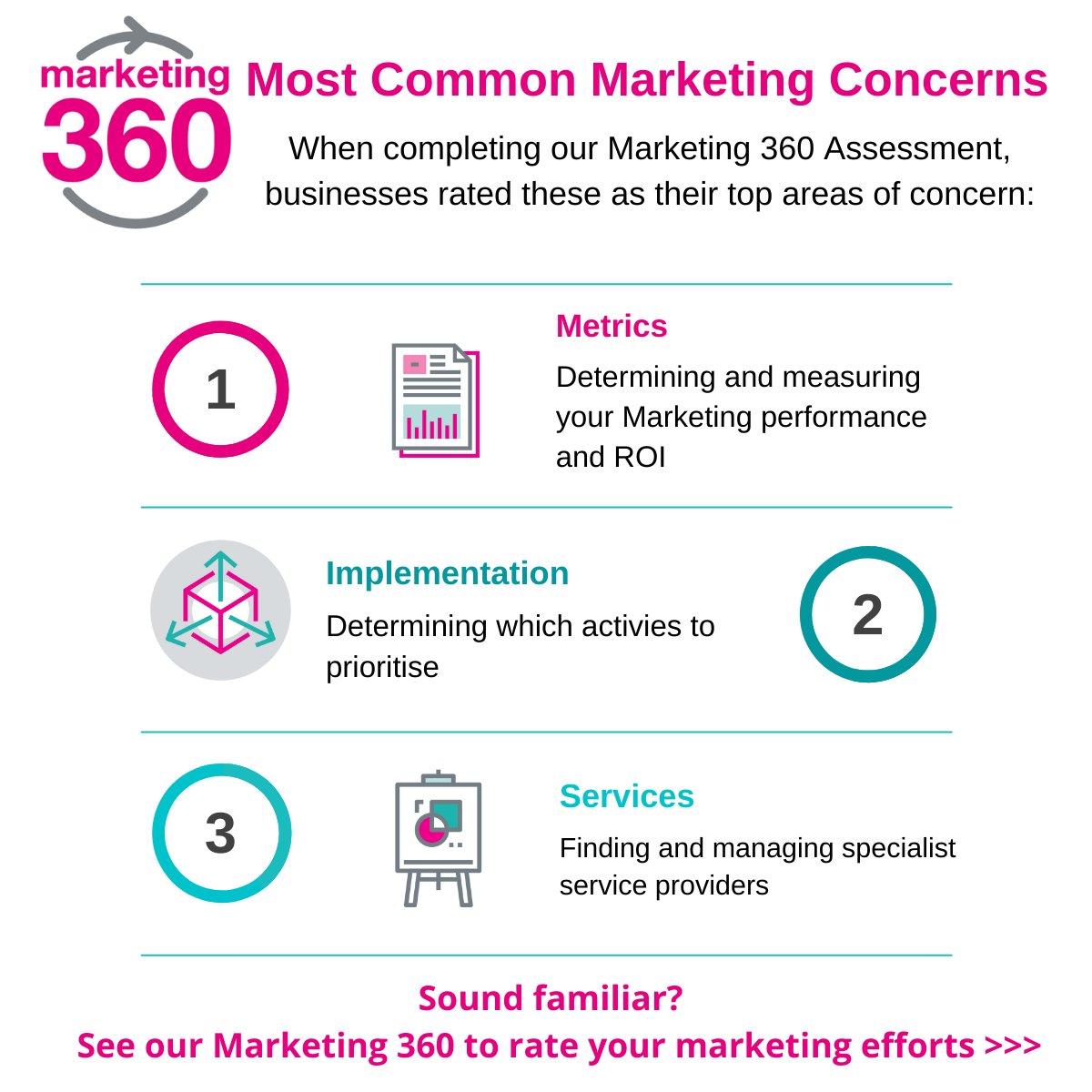
Credit: twitter.com
Frequently Asked Questions
What Is Marketing Roi?
Marketing ROI measures the return on investment from marketing activities. It helps evaluate the efficiency and profitability of marketing efforts. By calculating marketing ROI, businesses can determine which strategies yield the best returns and optimize their marketing budgets accordingly.
How To Calculate Marketing Roi?
To calculate marketing ROI, subtract marketing costs from revenue generated, then divide by marketing costs. Multiply the result by 100 to get a percentage. This formula helps businesses measure the effectiveness of their marketing campaigns and make data-driven decisions.
Why Is Marketing Roi Important?
Marketing ROI is crucial for assessing the success of marketing strategies. It helps businesses allocate resources effectively, identify high-performing campaigns, and improve overall marketing performance. By understanding marketing ROI, companies can optimize their budgets and achieve better results.
What Affects Marketing Roi?
Several factors impact marketing ROI, including target audience, campaign quality, and market conditions. Properly identifying and targeting the right audience, creating compelling content, and adapting to market changes can significantly improve marketing ROI.
Conclusion
Understanding marketing ROI is crucial for business growth. Every dollar counts. Measure, analyze, and adjust your strategies. This helps maximize returns. Focus on data-driven decisions. Track your campaigns closely. Optimize them regularly. These steps ensure better ROI. Stay proactive. Keep learning from your results.
Your efforts will pay off. Marketing ROI concerns can be managed. Just stay committed and patient.