

Customer retention is crucial for business growth. Retaining customers can often be more challenging than acquiring new ones.
In today’s competitive market, businesses face numerous obstacles in keeping their customers loyal. High customer turnover can impact revenue and business stability. Companies must understand the underlying issues to address them effectively. Whether it’s poor customer service, lack of engagement, or better offers from competitors, identifying these problems is the first step.
This blog explores common customer retention problems, offering insights to help improve your retention strategies. Understanding these challenges can lead to better customer relationships and long-term success. Dive in to discover the key issues and how to tackle them.
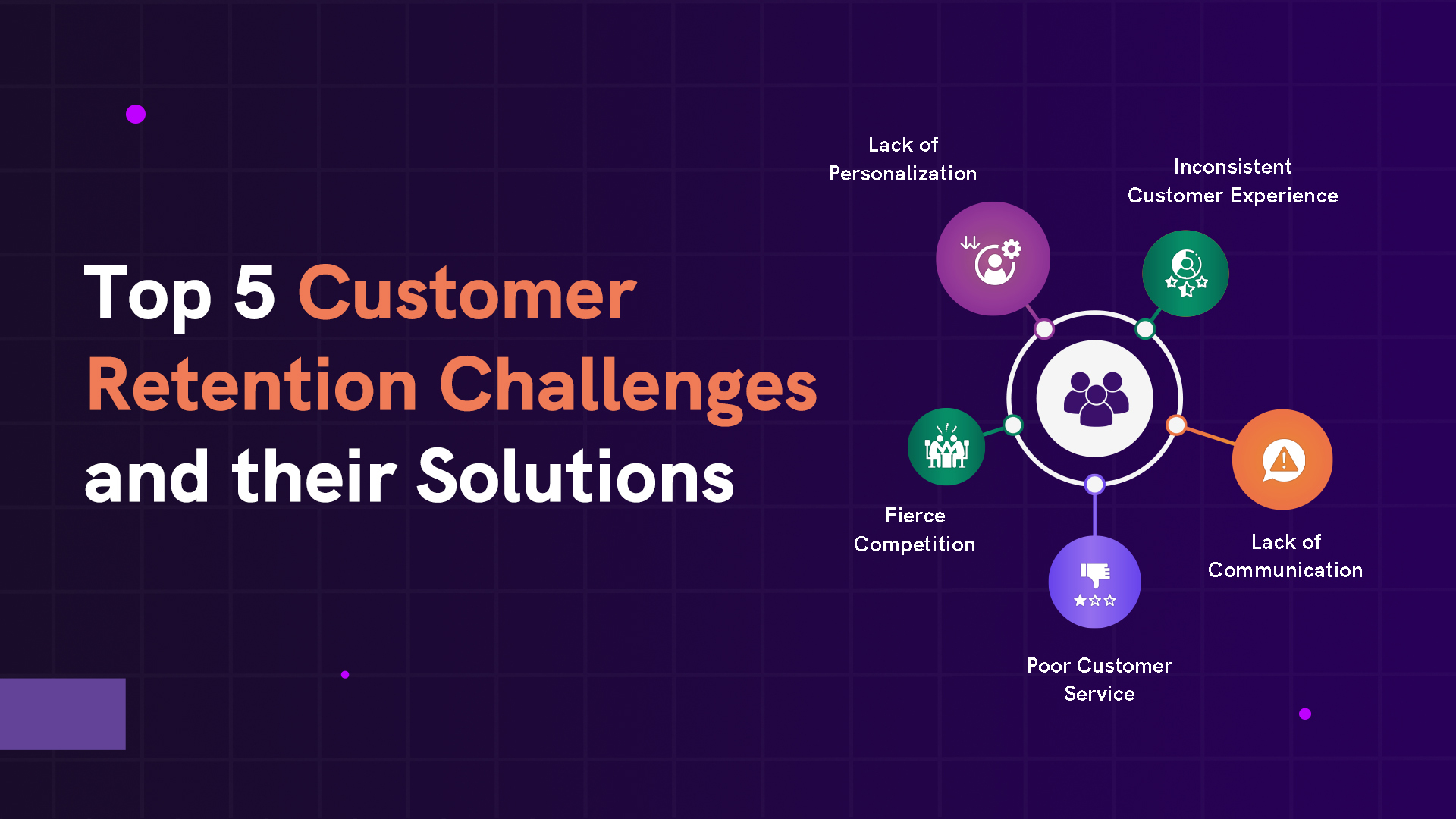
Credit: vizury.com
Identifying Retention Issues
Customer retention is crucial for the growth of any business. Identifying retention issues helps in solving problems early. This section will discuss common customer complaints and analyzing churn rates.
Common Customer Complaints
Understanding customer complaints is the first step in identifying retention issues. Complaints often highlight areas where businesses can improve.
- Poor Customer Service: Customers dislike slow or unhelpful responses.
- Product Quality Issues: Low-quality products drive customers away.
- High Prices: Customers seek value for money and may leave due to high costs.
- Complicated Processes: Difficult navigation or complex procedures frustrate customers.
- Lack of Personalization: Customers prefer personalized experiences.
Analyzing Churn Rates
Churn rate analysis helps understand why customers leave. Lowering churn rates improves retention.
| Reason | Description |
|---|---|
| Unmet Expectations | Customers leave if products don’t meet expectations. |
| Better Alternatives | Competitors offering better deals or products attract customers away. |
| Poor Customer Support | Insufficient support pushes customers to find better service. |
| Lack of Engagement | Inactive customers feel neglected and leave. |

Credit: blog.reviews.io
Enhancing Customer Experience
Enhancing the customer experience is key to solving customer retention problems. By focusing on personalized interactions and improving customer support, businesses can build stronger connections with their customers. Happy customers are more likely to remain loyal and spread positive word-of-mouth.
Personalized Interactions
Personalized interactions create a unique experience for each customer. Tailoring your communication shows customers that you value them as individuals. This can be done through:
- Personalized email campaigns
- Customized product recommendations
- Special offers based on past purchases
Using customer data, businesses can predict needs and preferences. This helps in delivering more relevant and engaging experiences.
Improving Customer Support
Improving customer support is another critical aspect of enhancing the customer experience. Quick and efficient support makes customers feel valued and understood. Here are some strategies:
- 24/7 customer service availability
- Live chat support
- Comprehensive FAQ sections
Training support teams to handle issues effectively is essential. Empower them with the right tools and knowledge. Fast resolution of problems leads to higher customer satisfaction.
Building Customer Trust
Trust is the cornerstone of any successful customer relationship. Without trust, customers are likely to switch to a competitor. Building customer trust involves clear communication, fulfilling promises, and ensuring transparency in all dealings. Let’s delve into two crucial aspects of this process: Transparency in Communication and Delivering on Promises.
Transparency In Communication
Clear and honest communication is vital. Customers need to feel informed and valued. Always be upfront about product details, policies, and any potential issues.
- Provide accurate information on your website.
- Respond promptly to customer inquiries.
- Update customers on changes affecting them.
Transparency helps in setting the right expectations. It also builds a strong foundation of trust.
Delivering On Promises
Promises made to customers must be kept. Failing to do so can damage trust and loyalty.
- Ensure product quality meets advertised standards.
- Deliver services within the promised timeframe.
- Address customer complaints swiftly and effectively.
Meeting customer expectations consistently strengthens their trust in your brand.
In summary, transparency and reliability are key to building lasting customer trust. Focus on clear communication and delivering on promises to retain your customers.

Credit: akitaapp.com
Loyalty Programs
Customer retention is a major challenge for many businesses. One effective way to address this is through loyalty programs. These programs reward customers for their repeat business, encouraging them to stay loyal. Let’s delve into the different types of loyalty programs and their benefits.
Types Of Loyalty Programs
Loyalty programs come in various forms, each with unique benefits. Here are some common types:
- Points-Based Programs: Customers earn points for each purchase. They can redeem these points for rewards.
- Tiered Programs: Customers receive different benefits based on their spending levels. Higher tiers offer more rewards.
- Paid Membership Programs: Customers pay a fee to join. They receive exclusive benefits and discounts.
- Cashback Programs: Customers earn a percentage of their purchase amount back. This can be used on future purchases.
- Coalition Programs: Multiple businesses partner together. Customers earn rewards that can be used at any partner store.
Benefits Of Loyalty Programs
Loyalty programs offer several advantages for both businesses and customers. Here are some key benefits:
| Benefit | Description |
|---|---|
| Increased Customer Retention | Customers are more likely to return for future purchases. |
| Higher Customer Lifetime Value | Long-term customers spend more over their lifetime. |
| Enhanced Customer Engagement | Customers feel valued and stay engaged with the brand. |
| Improved Customer Data | Businesses can collect valuable data on customer behavior. |
| Competitive Advantage | A well-designed program can set a business apart from competitors. |
Implementing an effective loyalty program can significantly improve customer retention. Choose the right type for your business and reap the benefits.
Effective Feedback Systems
Effective feedback systems play a vital role in addressing customer retention problems. By understanding your customers’ needs and concerns, businesses can make informed decisions and improve customer satisfaction. This section will explore two critical aspects of effective feedback systems: collecting customer feedback and implementing feedback.
Collecting Customer Feedback
Collecting customer feedback is the first step in understanding your customers. Customer surveys are a popular method. They provide direct insights into customer experiences and preferences. Use short, easy-to-answer questions to increase response rates.
- Email surveys
- In-app surveys
- Website feedback forms
Another effective method is social media monitoring. Customers often share their opinions on platforms like Twitter and Facebook. Analyzing these comments helps identify common issues and areas for improvement.
Additionally, consider focus groups and one-on-one interviews. These methods offer in-depth insights and allow for follow-up questions. This helps gather more detailed feedback.
Implementing Feedback
Implementing feedback is crucial for improving customer retention. Start by categorizing the feedback into different themes. This helps prioritize the most pressing issues.
| Feedback Theme | Action Plan |
|---|---|
| Product Quality | Improve materials and testing processes. |
| Customer Service | Train staff and enhance support channels. |
| Pricing | Review and adjust pricing strategy. |
Once themes are identified, create an action plan. Assign tasks to relevant team members and set deadlines. Regularly review progress to ensure timely completion.
Communicate changes with your customers. This shows that you value their input. It also builds trust and strengthens customer relationships.
Lastly, continuously monitor the impact of the implemented changes. Use key performance indicators (KPIs) to measure success. Adjust strategies as needed to maintain customer satisfaction and retention.
Employee Training
Customer retention often hinges on the effectiveness of employee training. Well-trained employees can greatly enhance the customer experience. They provide better service and show deeper product knowledge. Investing in employee training can solve many customer retention problems. This section will cover two critical areas: customer service skills and product knowledge.
Customer Service Skills
Good customer service skills are essential for retaining customers. Employees must know how to interact positively with customers. This includes active listening and empathy. They should also be able to resolve conflicts efficiently.
- Active Listening: Understand customer needs by truly listening.
- Empathy: Show genuine concern for customer issues.
- Conflict Resolution: Resolve issues quickly and calmly.
Training employees in these skills can improve customer satisfaction. Happy customers are more likely to return. This makes customer service skills a vital part of retention strategies.
Product Knowledge
Another important aspect is product knowledge. Employees must know the products or services they offer. This helps them provide accurate information to customers.
| Aspect | Importance |
|---|---|
| Features | Explain what the product does. |
| Benefits | Show how it helps the customer. |
| Usage | Guide customers on how to use it. |
Training in product knowledge can lead to fewer customer complaints. Customers will trust employees who know their products well. This trust can lead to increased customer loyalty.
Employee training in both customer service skills and product knowledge is crucial. It can address many customer retention problems. Investing in these areas will pay off in the long run.
Utilizing Technology
Customer retention is a critical aspect of business success. Leveraging technology can significantly enhance retention efforts. This section explores how technology can address customer retention challenges.
Crm Systems
CRM systems (Customer Relationship Management) are essential tools for managing interactions. They help store and organize customer data efficiently. This data includes contact details, purchase history, and preferences.
With CRM systems, businesses can provide personalized experiences. For instance, they can tailor marketing campaigns to individual customer needs. Automated reminders for follow-ups ensure timely communication.
Moreover, CRM systems offer valuable insights into customer behavior. Identifying patterns helps in predicting future needs. This proactive approach increases customer satisfaction and loyalty.
Customer Analytics
Customer analytics involves analyzing customer data to understand their behavior. This process helps in identifying trends and preferences. Businesses can use these insights to improve their products and services.
For example, analytics can reveal which products are popular among certain demographics. This information allows targeted marketing strategies. Additionally, businesses can identify and address pain points quickly.
Customer analytics also aids in segmenting the customer base. Segmentation allows for more personalized communication. Each segment receives tailored content, increasing engagement and retention.
Implementing customer analytics tools can provide actionable insights. These insights drive informed decisions, enhancing customer satisfaction and loyalty.
Monitoring Success
Monitoring the success of customer retention efforts is essential. It helps you understand what works and what doesn’t. This section will explore key metrics and strategies to help you monitor success effectively.
Key Performance Indicators
To track customer retention, focus on Key Performance Indicators (KPIs). KPIs give you a clear picture of your progress. Some essential KPIs include:
- Customer Retention Rate (CRR): Measures the percentage of customers you keep over time.
- Churn Rate: Indicates the percentage of customers who leave.
- Customer Lifetime Value (CLV): Estimates the total value of a customer over their relationship with your business.
- Net Promoter Score (NPS): Assesses customer loyalty and satisfaction.
Tracking these KPIs helps you identify areas for improvement. It also assists in setting realistic goals.
Adjusting Strategies
Your strategies should evolve based on the data collected. If you notice a high churn rate, investigate why customers are leaving. Adjust your approach to address their concerns.
Consider segmenting your customers into different groups. Tailor your strategies to each segment’s needs. For example, loyal customers may appreciate a rewards program. New customers might need more onboarding support.
Regularly review your KPIs to see if your adjustments are effective. Use the insights to refine your strategies continually.
| Strategy | Purpose | Adjustment Tips |
|---|---|---|
| Rewards Program | Increase loyalty | Offer personalized rewards |
| Onboarding Support | Reduce churn | Provide detailed tutorials |
| Customer Feedback | Improve satisfaction | Act on feedback quickly |
Effective monitoring and adjustment ensure your customer retention efforts are successful. Use data to guide your decisions and keep improving.
Frequently Asked Questions
What Causes Customer Retention Problems?
Customer retention problems often arise due to poor customer service, lack of engagement, and unmet expectations. Addressing these issues can improve retention.
How Can Businesses Improve Customer Retention?
Businesses can improve retention by offering excellent customer service, personalized experiences, and consistent engagement. Addressing customer feedback promptly also helps.
Why Is Customer Retention Important?
Customer retention is crucial as it reduces acquisition costs and boosts profitability. Loyal customers are likely to recommend your business to others.
What Are Common Customer Retention Strategies?
Common strategies include loyalty programs, personalized marketing, and proactive customer support. Regularly updating products and services also retains customer interest.
Conclusion
Solving customer retention problems is crucial for business success. Focus on customer needs. Provide excellent service. Engage regularly with customers. Address issues quickly. Understand their preferences and adapt. Build strong relationships and trust. Happy customers stay loyal. They also refer others.
Measure retention rates and analyze feedback. Continuous improvement leads to better retention. A loyal customer base drives long-term growth. Keep refining your strategies. Your efforts will pay off.